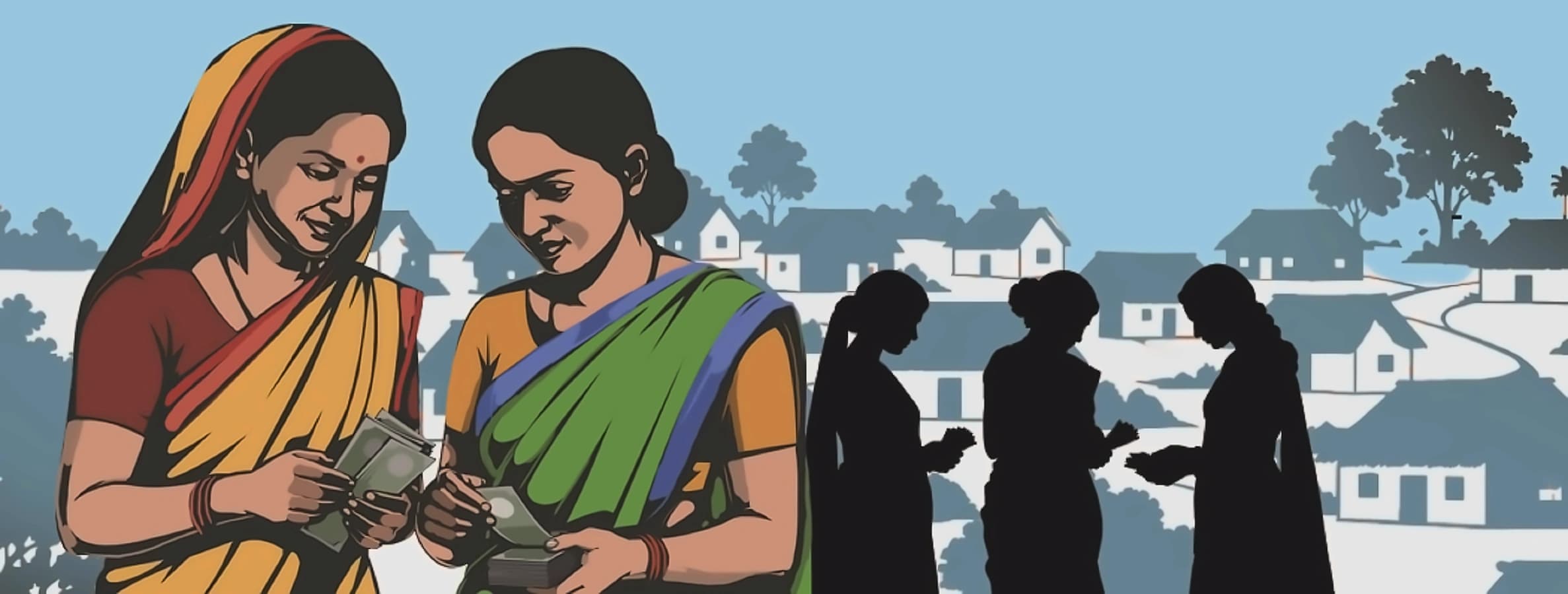
eSARAS has established itself as the official online marketplace of DAY-NRLM, exclusively dedicated to products manufactured by women Self-Help Groups and their federations. According to reports from PIB Delhi, the platform showcases handcrafted goods from across India, including weavers in Chanderi sarees from Madhya Pradesh, marble artisans in Rajasthan, and Pashmina producers in Jammu & Kashmir. The platform lists local products across major categories such as home and living, women's apparel and accessories, men's apparel and accessories, personal care, food items and kids toys & accessories.

As reported by PIB Delhi, over 8.62 crore women SHG members have established digital storefronts through eSARAS, with 85% directly linked to the Ministry of Rural Development's network as of February 2024. The platform provides institutional support for marketing, branding and logistics beyond just a marketplace, enabling rural producers to compete in larger markets while preserving India's craft heritage. With expanding integrations across ONDC, UMANG and other digital platforms, eSARAS is positioning rural producers for enhanced market access and sustainable livelihood creation.
According to PIB Delhi, what started as a simple web portal has evolved into a comprehensive e-commerce ecosystem over the past eleven years. The platform now combines a mobile app, physical gallery, national melas, a logistics fulfilment centre and integrations with India's largest online marketplace platforms. This transformation demonstrates how digital infrastructure can be effectively channeled into grassroots economic change, creating a complete ecosystem that supports rural artisans from production to market access.
As reported by PIB Delhi, the platform's expansion is expected to play an increasingly important role in creating sustainable livelihoods and advancing inclusive rural development. Every product on eSARAS carries a unique story, and every purchase creates a direct connection to the artisan behind it. The initiative represents a significant step toward connecting rural artisans to national markets while maintaining the traditional craftsmanship that defines India's heritage products. The Digital India programme has transformed governance and public service delivery, making them more transparent, accessible and efficient, with technology now serving as a tool for economic empowerment in rural India.