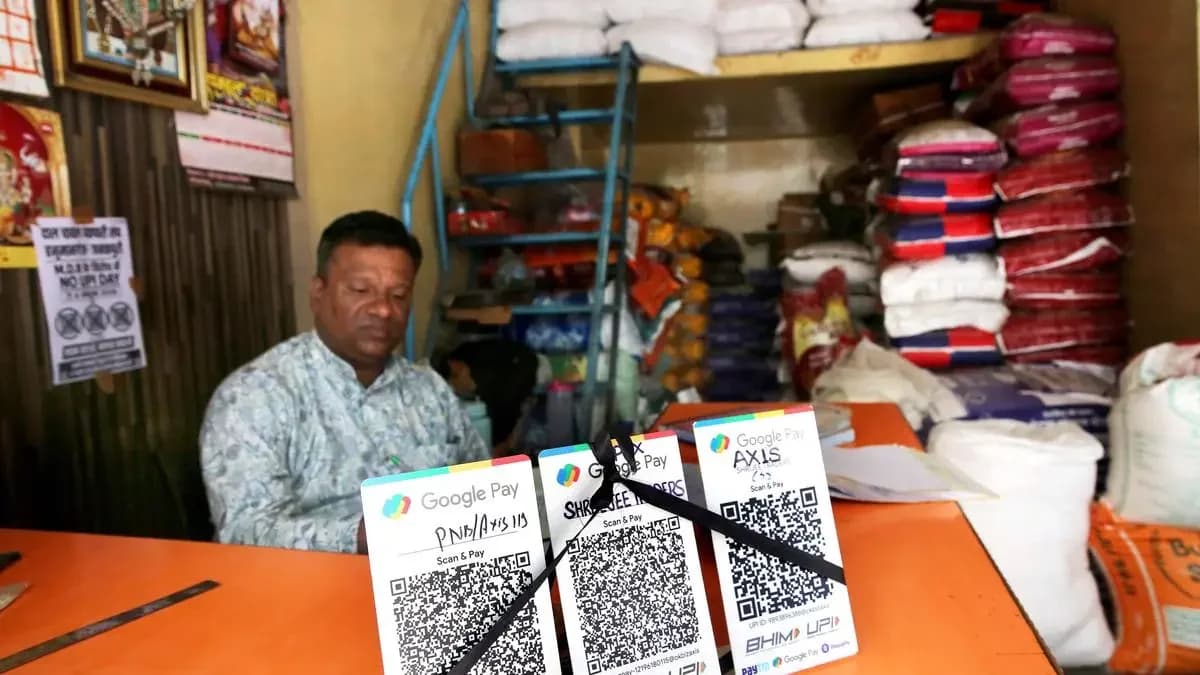
UPI transactions achieved a historic milestone in October 2026, with average daily transaction value crossing ₹1 lakh crore for the first time. The average daily volume reached ₹1,01,707 crore according to NPCI data, marking the highest recorded for UPI. Total transaction value rose to ₹31.53 lakh crore from ₹29.37 lakh crore in September, with transaction volumes increasing from 24.07 billion to 25.47 billion. On a year-on-year basis, transaction volumes grew 23% while transaction value increased 16%, with the festive season contributing significantly to the digital payment activity. As per The Times of India, October payments crossed 25.5 billion transactions, signalling continued growth in digital payments despite ongoing debate over merchant discount rate (MDR) charges.
According to The Hindu BusinessLine, festival shopping, Navratri and online sales boosted digital payments during October, with the transaction value growth of 16% year-on-year slower than the 23% increase in transaction volumes. As noted by Reeju Datta, Co-founder of Cashfree, the slower year-on-year growth in transaction value relative to volumes partly because Dhanteras and Diwali fell in November this year, unlike last year when it was in October. Datta expects transaction activity to pick up in November, with the biggest shopping days of the festival season still ahead. Akshay Mehrotra, MD & Group CEO of Fibe, said the festival season had accelerated spending across shopping, travel, dining and lifestyle categories, with purchases of electronics, apparel, gifts and household essentials expected to gather pace ahead of Diwali.

Paytm's growth story gains momentum from the UPI milestone, with analysts highlighting potential margin improvements from higher-value transactions. According to Sunny Agrawal, Head – Fundamental Research at SBI Securities, festive demand has supported the rise in daily transactions, with Paytm benefiting from growth in payments and financial services businesses, market share gains and operating leverage. The brokerage view points to MDR revenue and revenue optionality from AI services as key levers for revenue growth, with tech and regulatory expenses expected to lag revenue growth from MDR on P2M UPI transactions. Sameer Sawant from Mirae Asset Sharekhan believes Paytm benefits more than Pine Labs from the shift towards monetising high-value UPI payments, citing its large merchant network including QR codes and Soundbox devices, and mostly fixed processing and technology costs that could support margins as revenue grows.
UPI person-to-merchant transactions recorded impressive growth of 23.3% year-on-year during September, while credit card spending declined 5.9%. As reported by Equirus Securities, the UPI-P2M share in total digital spends eased to 77.6% (-8 basis points month-on-month), with credit cards accounting for 17.8%. Credit card spending stood at ₹2.04 trillion in September 2026, showing marginal month-on-month increase despite annual decline. The report noted that e-commerce spending constituted 61.9% of total credit card spends, with average monthly e-commerce spends per card at ₹10,061 and average POS spends at ₹6,204.
UPI has made significant strides in international acceptance, with UPI now accepted in 10 countries including Singapore, the UAE, France, Mauritius, Nepal, Bhutan, Qatar, Sri Lanka, Cambodia and Greece. The Finance Ministry announced that Uzbekistan is set to become the 11th country to accept UPI after a commercial agreement announced on August 30, 2026, during Prime Minister Narendra Modi's visit to the country. The latest expansion includes UPI acceptance for Dubai's Burj Khalifa and major Singapore attractions, including Universal Studios Singapore, Singapore Oceanarium and Adventure Cove Waterpark. As per The Hindu BusinessLine, NPCI International Payments Ltd entered strategic partnerships with the UAE and Singapore on July 29 and September 9 respectively to facilitate UPI-based online bookings.