The Reserve Bank of India successfully absorbed ₹71,971 crore from the banking system through an overnight variable rate reverse repo (VRRR) auction on Tuesday, with the central bank accepting bids worth the full notified amount of ₹75,000 crore. According to The Hindu BusinessLine, the bids were accepted at a cut-off and weighted average rate of 5.24%. This marks the latest in a series of VRRR auctions the RBI has been conducting since last month to absorb surplus liquidity from the banking system and align overnight money market rates to the repo rate. The RBI's sustained liquidity management efforts have achieved significant progress, with surplus banking system liquidity falling to ₹4.92 trillion on September 21, down 55% from a record ₹11.16 trillion about two weeks ago.
The Reserve Bank of India successfully completed the second tranche of its ₹1 lakh crore government bond sale, accepting bids worth ₹25,000 crore on September 21. According to Zee News, the RBI accepted ₹11,512 crore of the 6.10% GS 2031, ₹8,758 crore of the 7.95% GS 2032, ₹2,300 crore of the 6.75% GS 2029, ₹2,250 crore of the 7.17% GS 2030, and ₹180 crore of the 7.17% GS 2028. However, the central bank did not accept any bids for the 8.28% GS 2027. The second OMO auction received robust demand with bids worth ₹84,982 crore against a notified amount of ₹25,000 crore, as reported by Zee News. The remaining ₹25,000 crore tranche is scheduled for September 28, completing the three-tranche OMO sale announced to manage prevailing liquidity conditions.
The RBI has intensified its open market operations with two OMO sales resulting in government securities worth ₹50,000 crore on September 17 and ₹25,000 crore on September 21. Under an OMO sale, banks and other investors pay the RBI for the government securities, thereby draining rupee liquidity from the banking system. The central bank had announced OMO sales totalling ₹1 lakh crore in three tranches to manage the prevailing liquidity conditions. Market participants are increasingly pricing in rate hikes as the RBI continues its liquidity withdrawal strategy, with bond yields for Indian government securities showing little fluctuation as markets brace for ongoing liquidity withdrawals. The benchmark 2036 bond yield settled at about 7.05% during early trading on Tuesday, as reported by The Economic Times.
The RBI's liquidity management efforts have been supported by foreign exchange swaps of about $1 billion a day over the past 10 sessions, with Tuesday's swaps concentrated in the January 2027 maturity, as estimated by three traders cited by The Economic Times. This intervention comes amid substantial foreign currency inflows through the central bank's special USD-INR swap facility, with total inflows reaching $143.596 billion as of September 18, as reported by Zee News. The banking system was flushed with liquidity due to heavy mobilisation of FCNR (B) deposits by banks, as the mobilisation brought foreign currency into the system, while subsequent swaps with the RBI provided rupee liquidity to banks. Besides FCNR(B) inflows, month-end government expenditure, including payments toward salaries and pensions, also added to liquidity in the banking system.
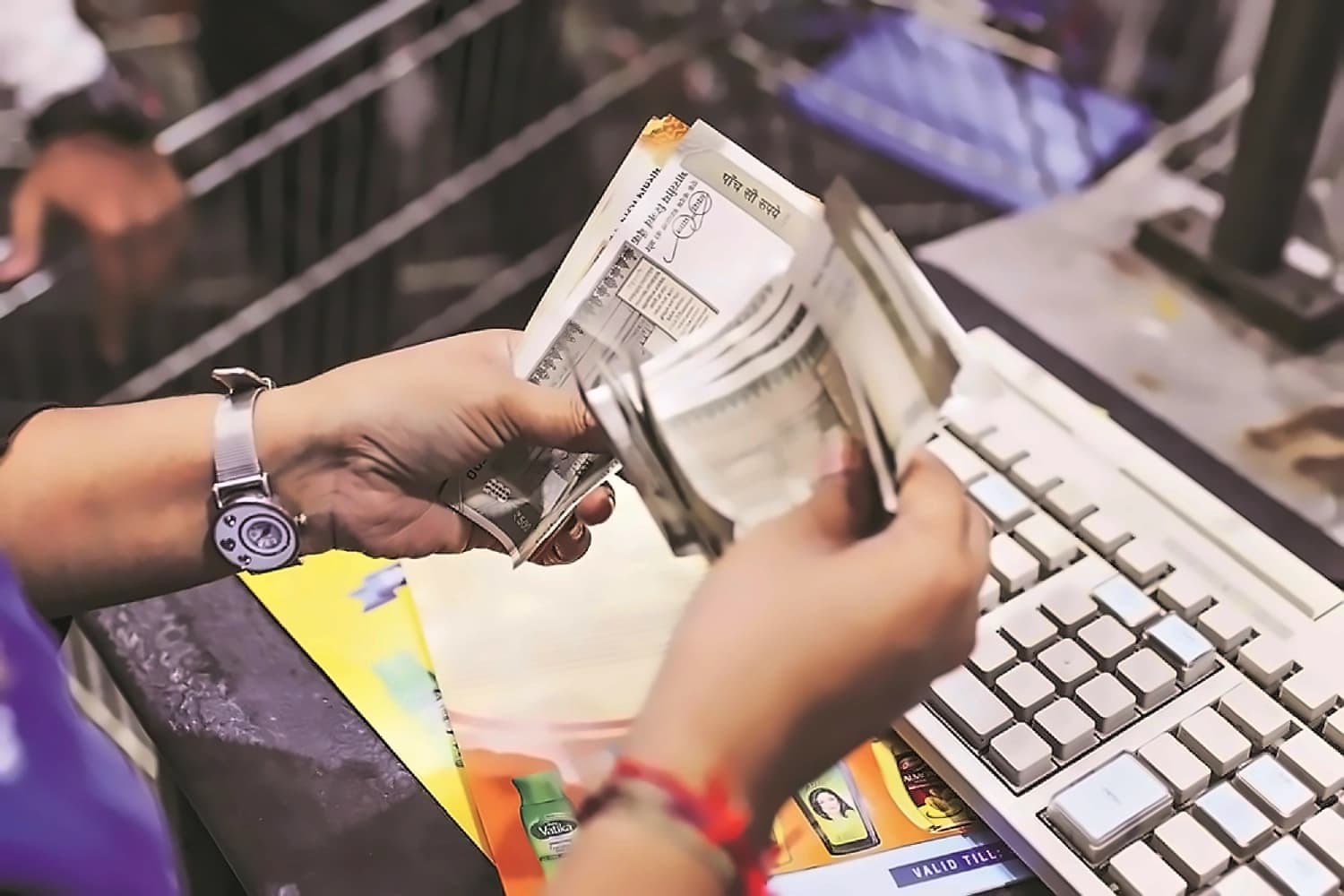
Cash in circulation (CiC) reached ₹42.86 trillion at the end of August, marking a 12.5% year-on-year growth, according to Reserve Bank of India (RBI) data. As reported by Business Standard, this double-digit growth pace has been sustained since December last year, indicating continued reliance on physical currency despite the digital payment revolution. The surge comes as the RBI implements unprecedented measures to manage an unprecedented cash surplus in the banking system. The increase in currency in circulation and the rise in reserve requirements as the deposit base expands could absorb a part of the surplus over the coming months.