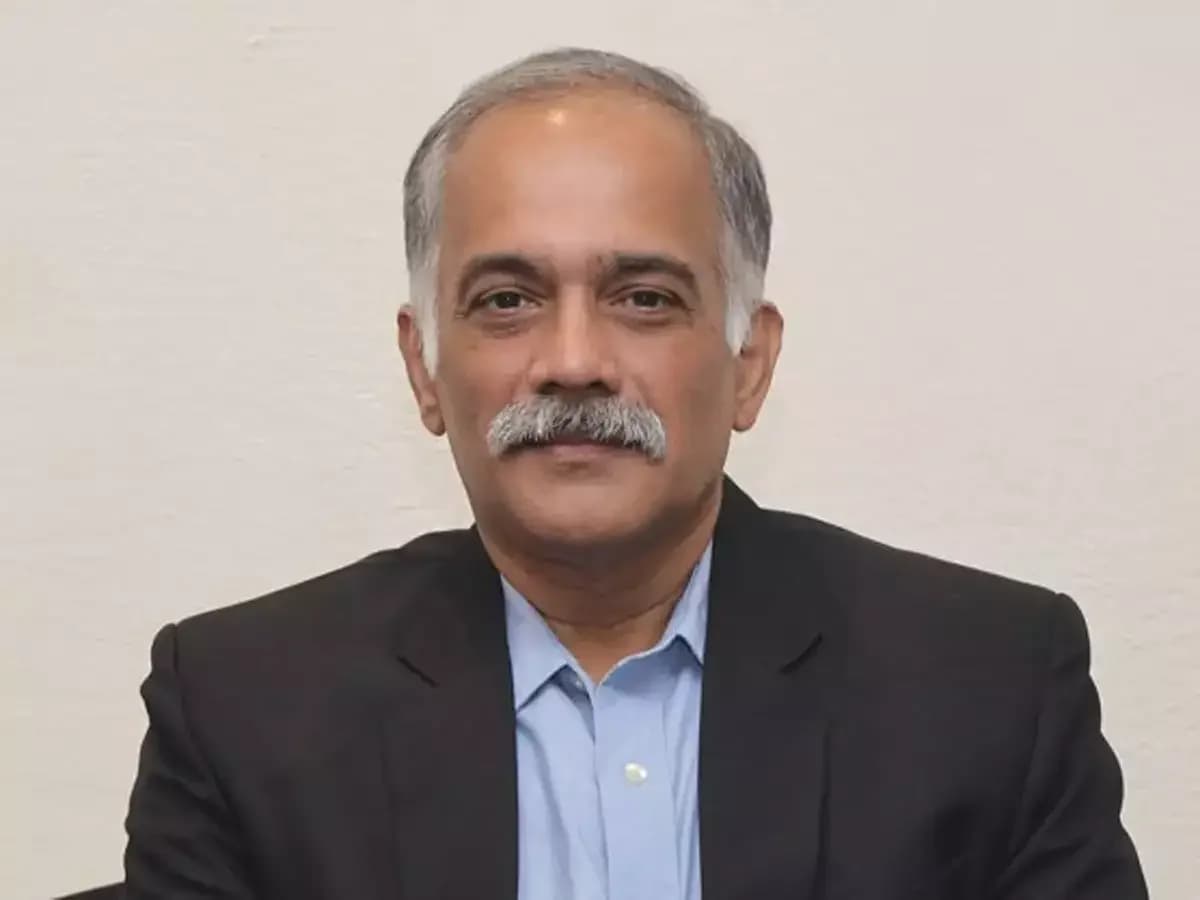
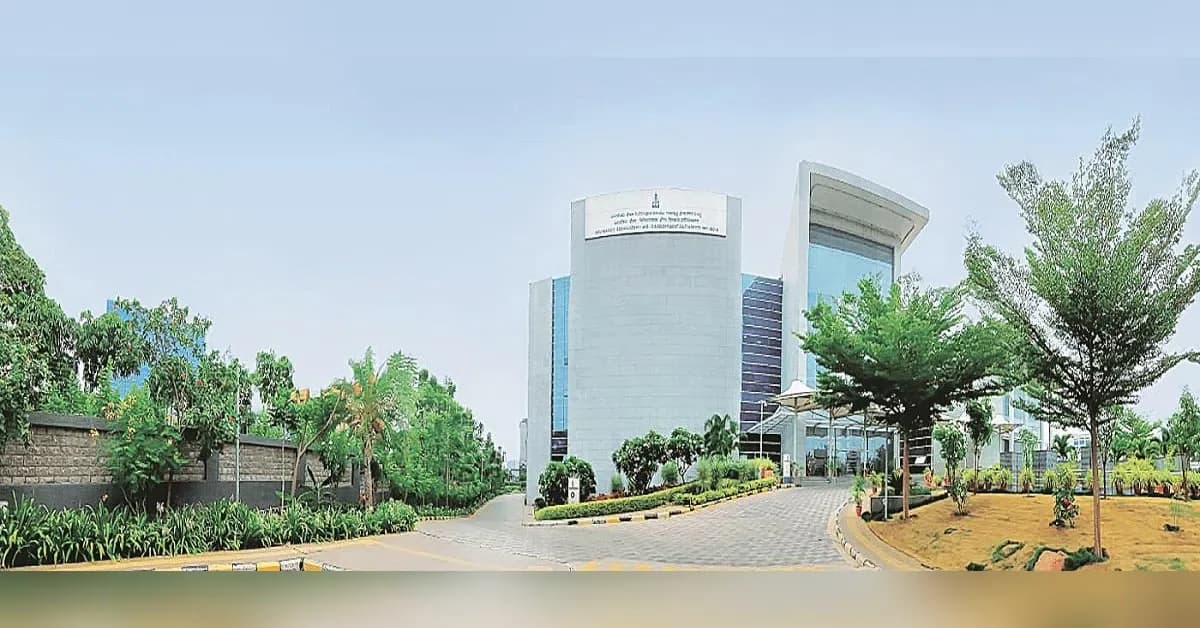
The Insurance Regulatory and Development Authority of India (Irdai) has approved two proposals for 100 per cent foreign ownership in general insurance companies following the government's FDI liberalization. As reported by The Economic Times, one of these FDI proposals was approved on Monday, with Seth confirming there is growing interest in the general insurance segment due to sector growth. The authority has also approved a 100 per cent foreign-owned licence for a general insurance company, while another application is still under process. Additionally, there is interest among existing foreign promoters to increase stake in their joint ventures with local partners, with one proposal approved and another pending. Seth disclosed that a major global player is also exploring entry into India's life insurance sector through the brownfield route rather than establishing a greenfield company, indicating significant foreign interest across both general and life insurance segments. According to Mint, IRDAI has already cleared one proposal where a foreign investor is raising its stake to 100%, and is reviewing a second application where the foreign shareholding will increase substantially, with the ultimate goal of full ownership.
The Insurance Regulatory and Development Authority of India (Irdai) Chairman Ajay Seth announced that initial products for Bima Sugam will be available by the end of September 2026. Addressing the media at an event in Mumbai, Seth confirmed that the 'Bima Sugam' platform is likely to be launched by September this year covering motor, health and term insurance. According to reports from The Economic Times, Seth explained that the BIMA Sugam project, which entails launching zero commission policies to cut costs of protection, is behind schedule due to the complexity of creating a market infrastructure institution where insurance companies must connect their technology solutions and make investments. The website will kickstart with motor insurance, then move on to health and eventually, term-life products. As reported by Mint, Seth acknowledged that the rollout of the Bima Sugam platform is running behind schedule, but the platform is expected to launch by the end of September 2026. He noted that life insurers are largely ready to connect, which means that term insurance should be available 'straight away', while on the non-life side, the roll out will begin with select products including motor and health, following which other product lines will be introduced.
Bima Sugam is part of Irdai's broader Bima Trinity initiative, which includes Bima Vistaar — a rural-focused composite insurance product — and Bima Vahaak, a women-centric agent network. As reported by The Economic Times, the three prioritised products are motor, health and term insurance. The Bima Sugam platform, whose website was launched in September, is being positioned as a digital marketplace bringing insurers, intermediaries and customers onto a single interface. The platform will enable policy purchase, servicing and claims in a paperless manner. According to Seth's latest statements, the platform may also support differentiated underwriting in future, where customers demonstrating long-term premium discipline, lower claims experience or better policy behaviour could potentially receive more favourable pricing and underwriting outcomes, similar to how credit histories influence lending decisions today. As reported by Mint, the idea there is, it is a market infrastructure institution. All insurers are putting money, there is no leader there. So, [it will offer] good quality products at a much lower cost because the platform doesn't have to survive on a high commission, though it may require some fees.
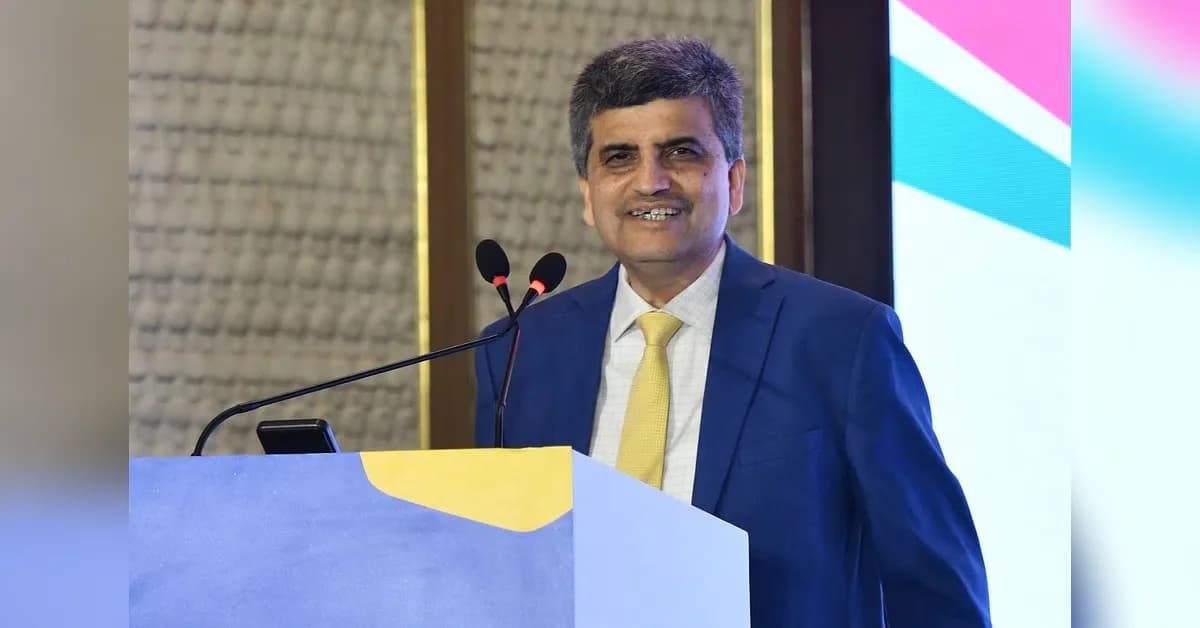
The implementing entity, Bima Sugam India Federation, has an authorised capital of ₹500 crore and a paid-up capital of around ₹310 crore. According to The Economic Times, the shareholding is distributed across life, general and health insurers. The platform is expected to be rolled out in phases for customers and intermediaries starting this year, with technology build and insurer engagement progressing according to BSIF board-approved timelines. Seth emphasised that Bima Sugam is designed for digitally savvy consumers who prefer researching and purchasing insurance independently rather than through intermediaries, positioning it as a significant shift in India's insurance distribution landscape. Additionally, IRDAI has created a ₹50 crore fund for awareness that will work alongside the industry's efforts to deepen insurance penetration. As reported by Mint, the regulator also recently received a similar majority-ownership proposal within the life insurance sector, with Seth noting that that was a very welcome development, because a large foreign insurer is coming and taking a big position.
IRDAI Chairman Ajay Seth has called for insurance companies to prioritise covering a broader range of unique lives rather than merely chasing premium targets, especially among middle-income families. Speaking at a Life Insurance Council event, Seth emphasized that the focus should shift from measuring insurance penetration as a share of GDP to tracking the number of unique lives covered. As reported by The Economic Times, Seth noted that life insurance penetration, which is premium to GDP, is 2.7%, and stressed the need for insurers to connect with people by asking whether they can spare 1% or 2% of their income, or Rs 100 to Rs 500 a month for protection. He highlighted that there is a gap in the Rs 5 lakh to Rs 25 lakh segment, where households save Rs 2,000-3,000 a month, but need products that can channel Rs 500-600 of those savings into protection and investment. Seth also called for insurers to design products that account for irregular income streams, allowing policyholders to continue coverage during periods of financial stress or temporary unemployment. According to Mint, Seth said the right approach to the goal of insurance for all is 'appropriate products at affordable prices, accessible to all people in all parts of the country from trusted insurers'.