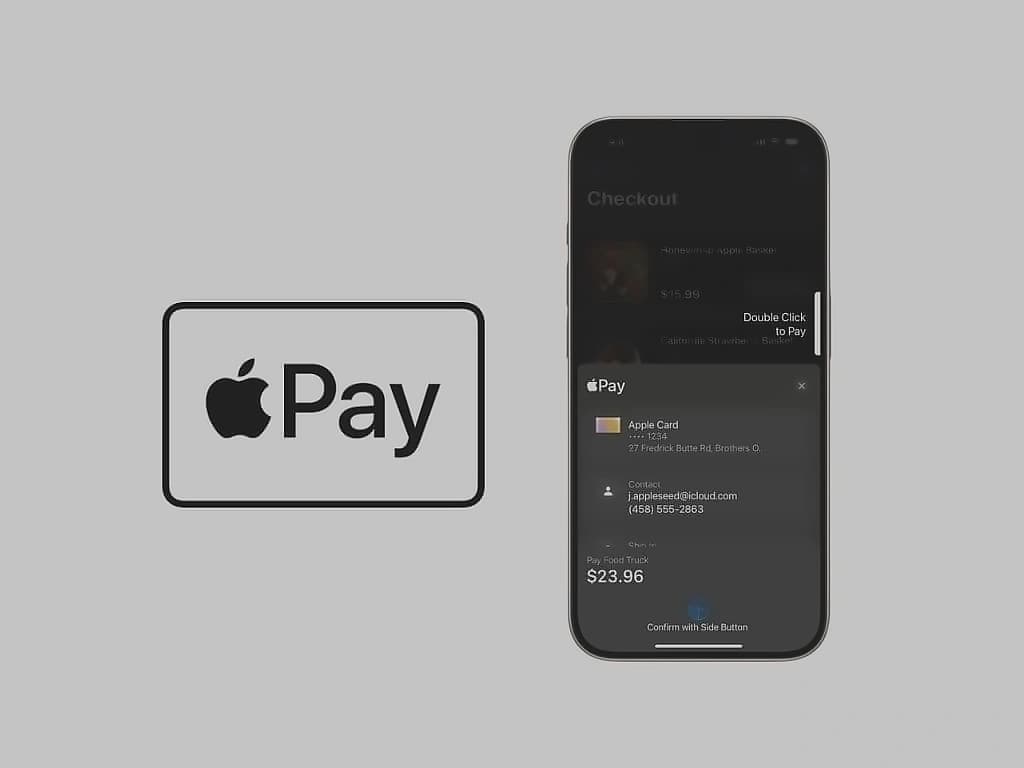
According to reports from Mint, Apple Pay has officially launched in India with a late-September rollout, allowing iPhone, iPad, and Apple Watch users to tap to pay directly via Apple's native wallet. The service is currently available to Axis Bank credit card holders who can use biometrics (Face ID, Touch ID, or passcode) to authenticate transactions without requiring PIN or OTP at checkout. As reported by Mint, Jennifer Bailey, vice president of Apple Pay and Apple Wallet, emphasized that the service makes everyday payments easy, secure, and private by eliminating the need for extra apps, PINs, or OTPs.
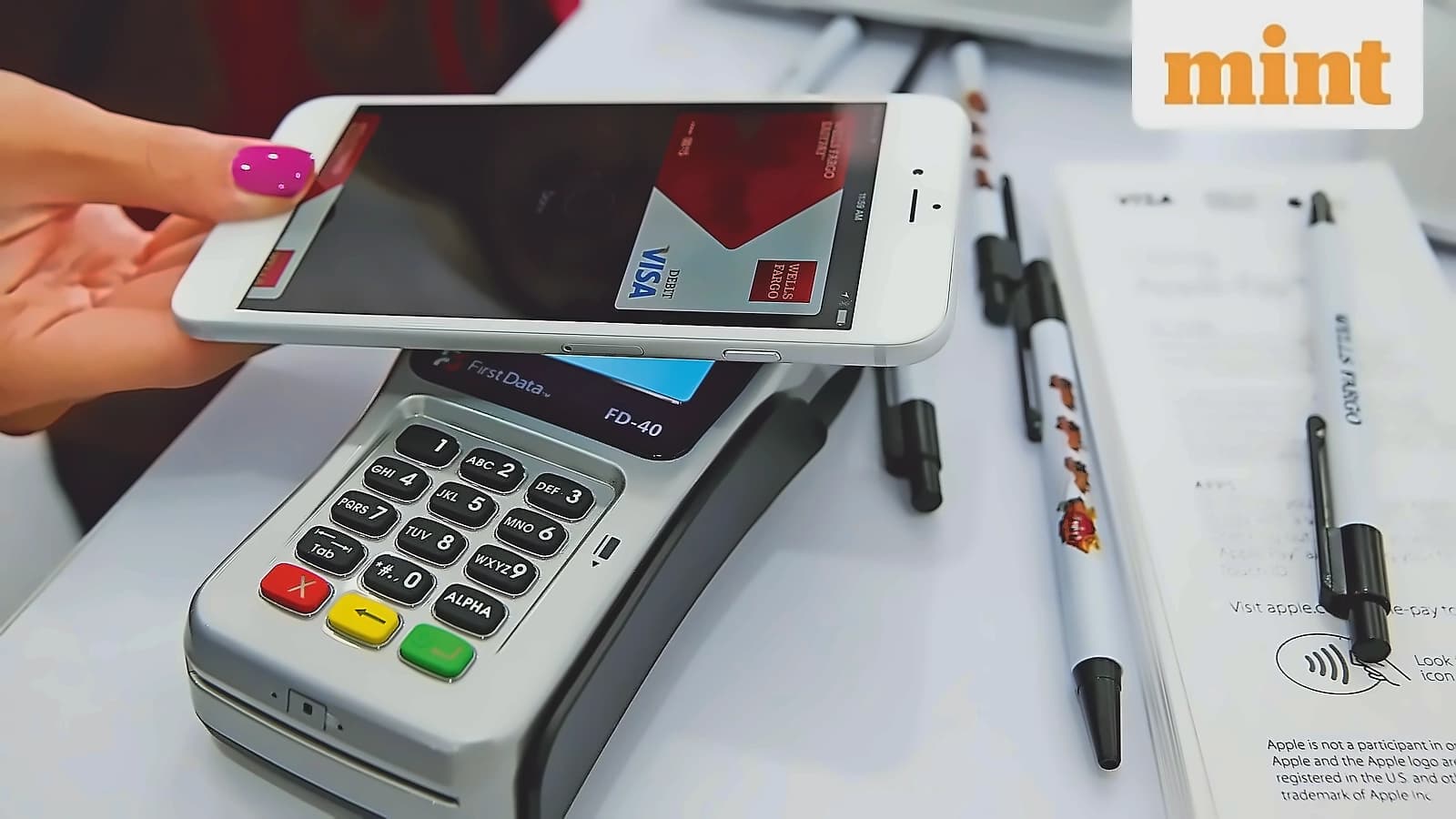
As detailed in the Mint report, users must first add their Axis Bank Visa or Mastercard credit card to Apple Wallet, either directly or through the Axis Bank mobile app. At physical stores, users double-click the side or home button to open Apple Wallet, authenticate using biometrics, and hold the device near the contactless reader. The transaction processes through the underlying credit card, maintaining existing billing cycles, credit limits, reward points, and interest terms. According to Mint, the system relies on tokenization, ensuring the actual card number is never shared with merchants, with biometric authentication verifying device ownership. Rohit Mahajan, founder and CEO of Plutos ONE, noted that biometric authentication combined with tokenization offers strong security protection while making payments more seamless.
According to Mint, Apple Pay joins existing contactless payment options in India, with Samsung offering tap-to-pay on Galaxy phones since 2017 and Google Wallet launched in May 2024. However, Apple Pay currently supports only Axis Bank credit cards issued on Visa and Mastercard networks, while Samsung Pay partners with major Indian banks for both debit and credit card transactions. Google Wallet supports NFC transactions on Android phones using Visa and Mastercard cards from major Indian banks, but Apple Pay stands out in e-commerce integration, functioning directly inside Safari browser as a native payment option. The competitive landscape reflects Google's strategic consolidation of payment initiatives under Google Pay brand in 2018, unifying Android Pay, Google Wallet, and Google Pay Send into a single platform.
As reported by Mint, the service is initially limited to Axis Bank credit card holders and excludes UPI integration and RuPay support. Mukesh Pandey, founder and managing director of Rupyaapaisa.com, highlighted that with OTP authentication eliminated, security risks transfer to mobile device security, account accessibility, and unauthorized purchase prevention. According to Mint, several global Apple Pay features are missing from the Indian rollout, including UPI integration, Apple Cash peer-to-peer transfers, and third-party app support due to Apple not opening iPhone NFC and Secure Element APIs to Indian developers.
According to Mint, Apple Pay benefits international travelers by reducing the need to carry multiple physical cards, as overseas transactions still process through underlying Visa or Mastercard networks. Rohit Mahajan of Plutos ONE noted that Apple Pay offers convenience for international travelers who can tap and pay anywhere accepting contactless payments. However, Pandey cautioned that frictionless payments can encourage impulsive spending due to reduced psychological friction, recommending expenditure alerts, monthly financial reviews, and category-wise budgets to maintain financial discipline.