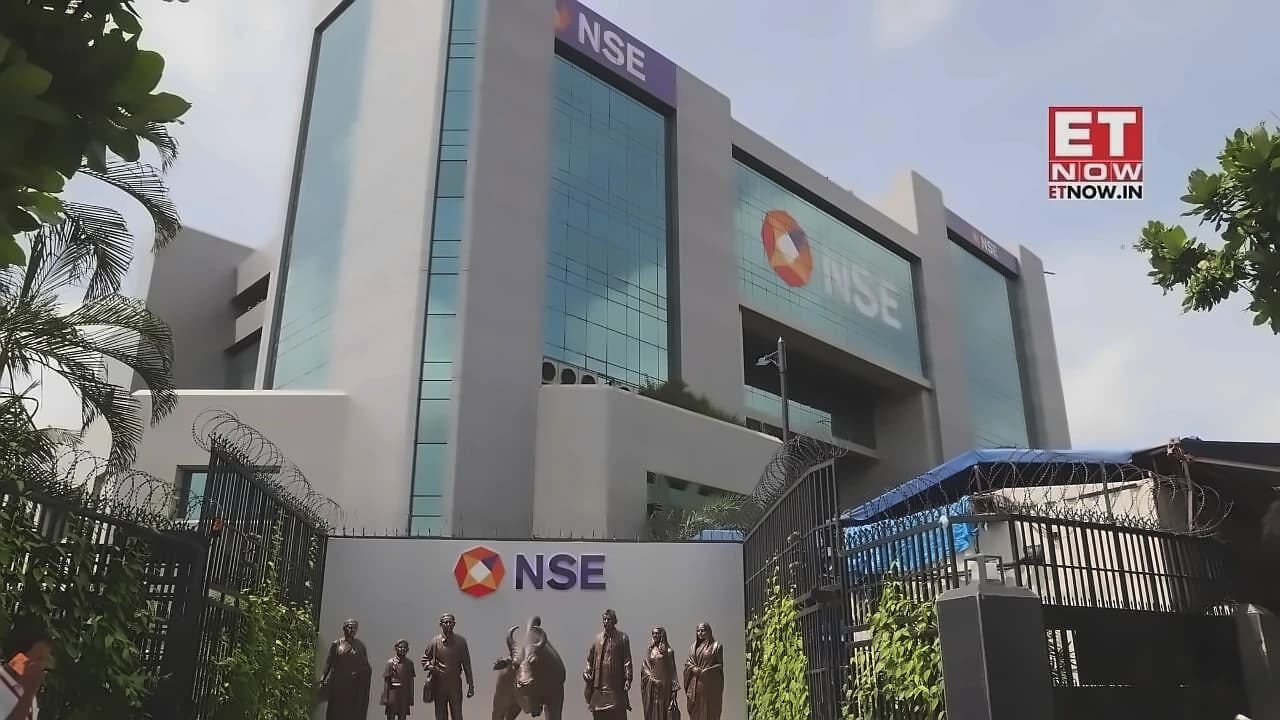
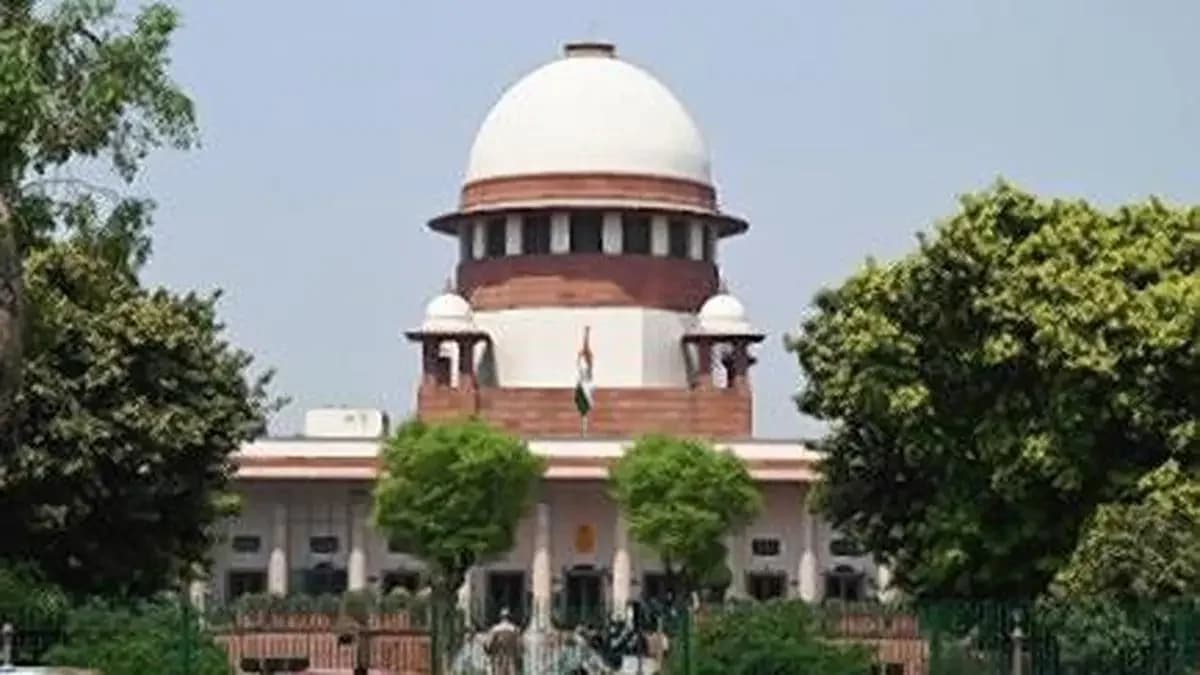
In a landmark ruling on Thursday, India's Supreme Court validated the National Stock Exchange's settlement concerning the co-location and dark fibre matters, marking a crucial step forward as the exchange readies for its initial public offering. A two-member Bench of the apex court disposed of SEBI's appeals after the parties reached a settlement of ₹1,491.21 crore covering both cases, without admission or denial of guilt. According to The Economic Times, the Supreme Court's disposal of this decade-long litigation is the ultimate green light for the National Stock Exchange, removing a major regulatory overhang as the country's largest stock exchange moves towards its much-awaited public listing. Amit Tungare, Managing Partner at Asahi Legal, said this extinguishes the primary institutional overhang that has stalled its public listing for years.
The proposed NSE IPO is expected to garner as much as ₹31,000 crore, making it the country's second-biggest IPO - next only to the proposed initial share sales by Jio Platforms. As per The Economic Times, the country's biggest stock exchange had filed on June 18 the draft red herring prospectus (DRHP) for its initial public offering, comprising an offer for sale of 148.91 million shares to be offloaded by some existing shareholders. The exchange is currently valued at around ₹5 lakh crore in the unlisted market and is expected to be among India's largest IPOs. Last week, Sebi Chairman Tuhin Kanta Pandey said on the sidelines of an event in Mumbai that the regulator was 'close' to giving its approval to the NSE IPO.
The co-location case dates back to 2009, when the market regulator received complaints that some brokers using NSE's co-location facility were given an unfair advantage in accessing the exchange's tick-by-tick data. SEBI's 2019 order had imposed a ₹625 crore disgorgement penalty on the NSE, as reported by The Economic Times. In January 2023, the Securities Appellate Tribunal (SAT) set aside the disgorgement order and instead imposed a ₹100 crore penalty on the exchange for lack of due diligence in following norms while offering colocation. The case has shadowed India's largest stock exchange since 2015, leading to investigations, appeals and tribunal proceedings. The Securities Appellate Tribunal subsequently set aside the disgorgement orders in both cases, prompting SEBI to approach the Supreme Court.
In the related dark-fibre case, SEBI alleged that two brokers received an advantage through point-to-point connectivity between their NSE and BSE co-location facilities and ordered disgorgement of ₹62.6 crore plus interest, according to The Hindu BusinessLine. This investigation focused on whether the exchange provided unfair advantages to specific brokers through its fibre network infrastructure. The dark fibre case was part of the broader regulatory scrutiny that has surrounded the exchange's operations in recent years.
The Supreme Court's settlement paves the way for the NSE's initial public offering to proceed, as reported by The Economic Times. Tushar Agarwal, Founder and Managing Partner, C.L.A.P. JURIS, Advocates & Solicitors, noted that the order removes perhaps the most significant historical regulatory overhang on NSE's IPO, though he cautioned that it is not a clean chit to every individual associated with the co-location episode. Alay Razvi, Managing Partner at Accord Juris, emphasized that NSE's settlement does not automatically extinguish personal proceedings, penalties, appeals, criminal investigations or proceedings against individuals. The NSE launched the colocation facility in 2009, allowing traders and brokers to establish their IT servers within its premises for a fee. However, the co-location case pending against NSE's former managing director and chief executive officer Chitra Ramkrishna, and others will continue and will be decided separately, as confirmed by a bench led by Justice JB Pardiwala.