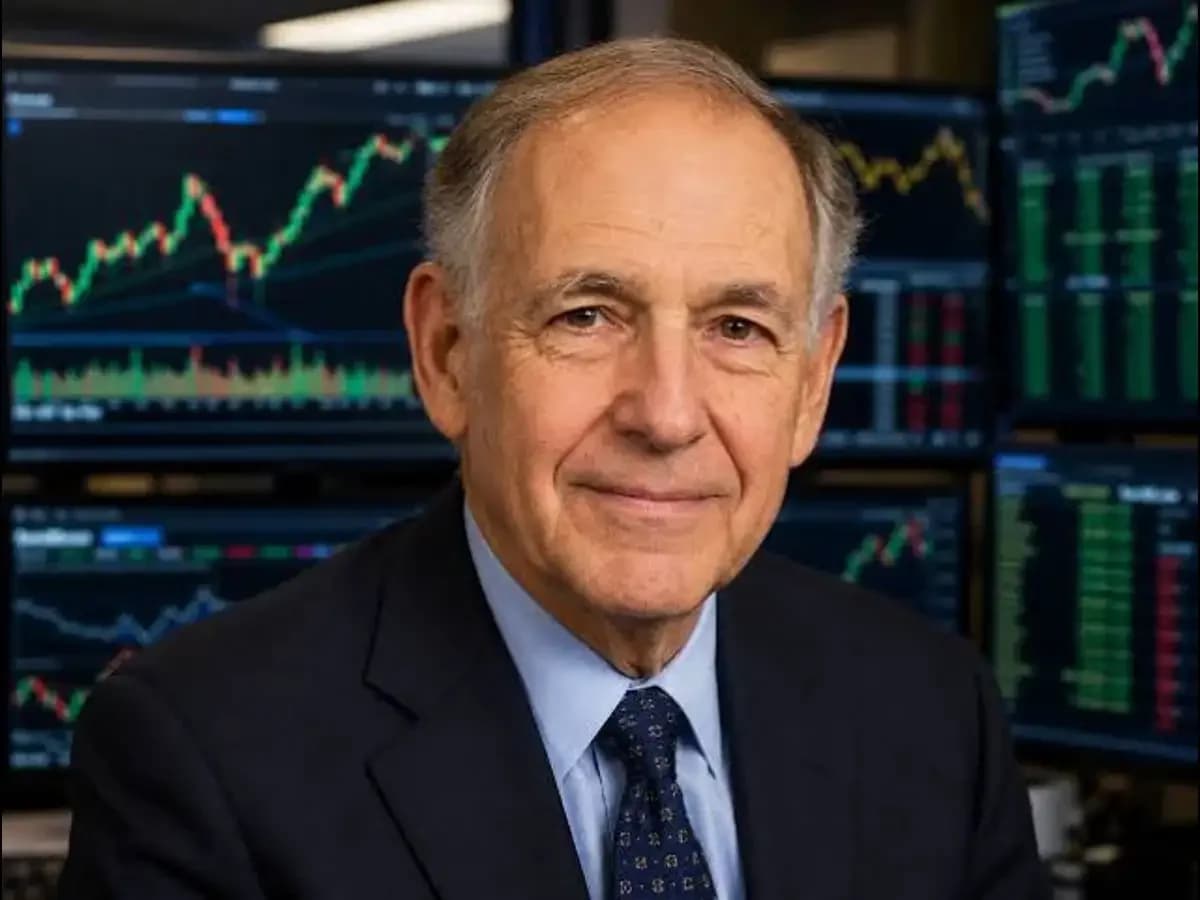
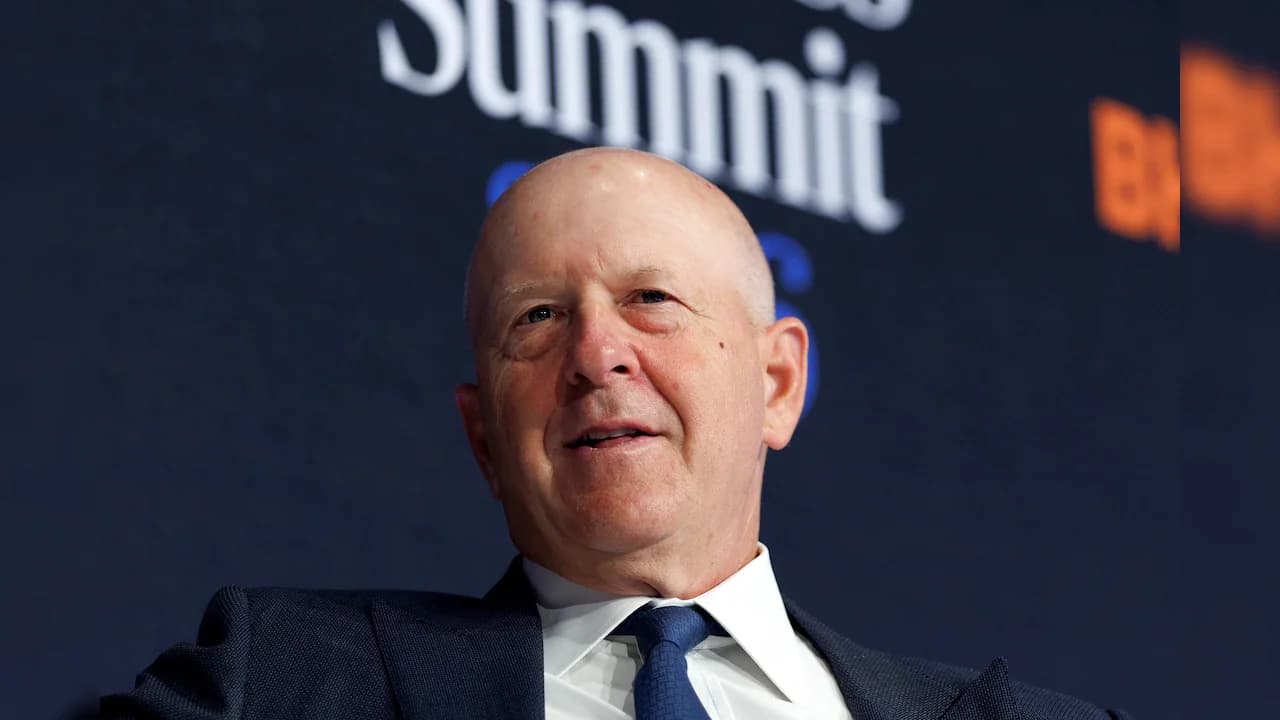
Michael Green, chief market strategist and portfolio manager at Simplify Asset Management, has highlighted a concerning disconnect between AI company fundamentals and their stock prices. According to Simplify, Green finds it **'totally absurd' that investors are putting a multiple on Google's earnings which were boosted by the company's marking up of its position in Anthropic. This observation underscores how AI fundamentals have become detached from their stock prices, creating a situation where market valuations may not accurately reflect underlying business performance. This development directly relates to George Soros's theory of Reflexivity, where market prices can influence the very fundamentals they are supposed to reflect.
As reported by The Economic Times, rising asset prices create a self-reinforcing loop where higher valuations encourage companies to borrow, invest, or expand aggressively. During boom periods, credit becomes easier to access and rising real estate prices encourage construction booms. The optimism fuels further price increases, making firms appear more creditworthy than they might be in a downturn. Easy financing conditions mask underlying risk and eventually change the underlying 'fundamentals' themselves, sometimes making them temporarily stronger than their true state. This self-reinforcing mechanism explains how market prices can alter the very conditions they are supposed to reflect, a process that appears to be amplified in the current AI-driven market environment.
According to The Economic Times, the bust phase occurs when falling prices reduce confidence and credit tightens, forcing businesses to cut investment. Weakening activity damages fundamentals like earnings and employment, which then justify even lower prices. This creates a negative feedback loop where deteriorating conditions justify further price declines, creating a self-reinforcing downturn. The process is accelerated by tech or AI-driven speculative cycles and algorithmic trading amplifying momentum, making market corrections more severe and prolonged than traditional economic cycles. The current AI market dynamics appear to be following this pattern, with Green noting that he is also seeing George Soros's theory of Reflexivity playing out in the current environment.
As reported by The Economic Times, Soros's theory remains relevant today due to high liquidity conditions, rapid credit expansion, tech or AI-driven speculative cycles, and algorithmic trading amplifying momentum. The insight suggests that booms and busts are not just reactions to reality, they are part of how reality is formed. This understanding is crucial for navigating financial market dynamics in the current environment, where market prices can significantly influence economic fundamentals through their self-reinforcing mechanisms. The theory provides a framework for understanding how market dynamics can create cycles that alter underlying economic conditions rather than simply reflect them, particularly as AI fundamentals have become detached from their stock prices, creating additional complexity in current market conditions.