Indian stock markets have delivered their worst performance in over a decade, with the Sensex ending 37% of its trading days in red over the past two years, according to an Economic Times analysis. This represents the worst two-year showing since 2012, marking a significant deterioration in market performance. The benchmark indices have now gone 697 days without reaching a new all-time high, creating an extended period of market stagnation for investors. In 2026, the situation has become even more pronounced with 62.3% of trading days ending with negative one-year returns, the highest in the dataset, compared to the previous peak of 59% in 2012.
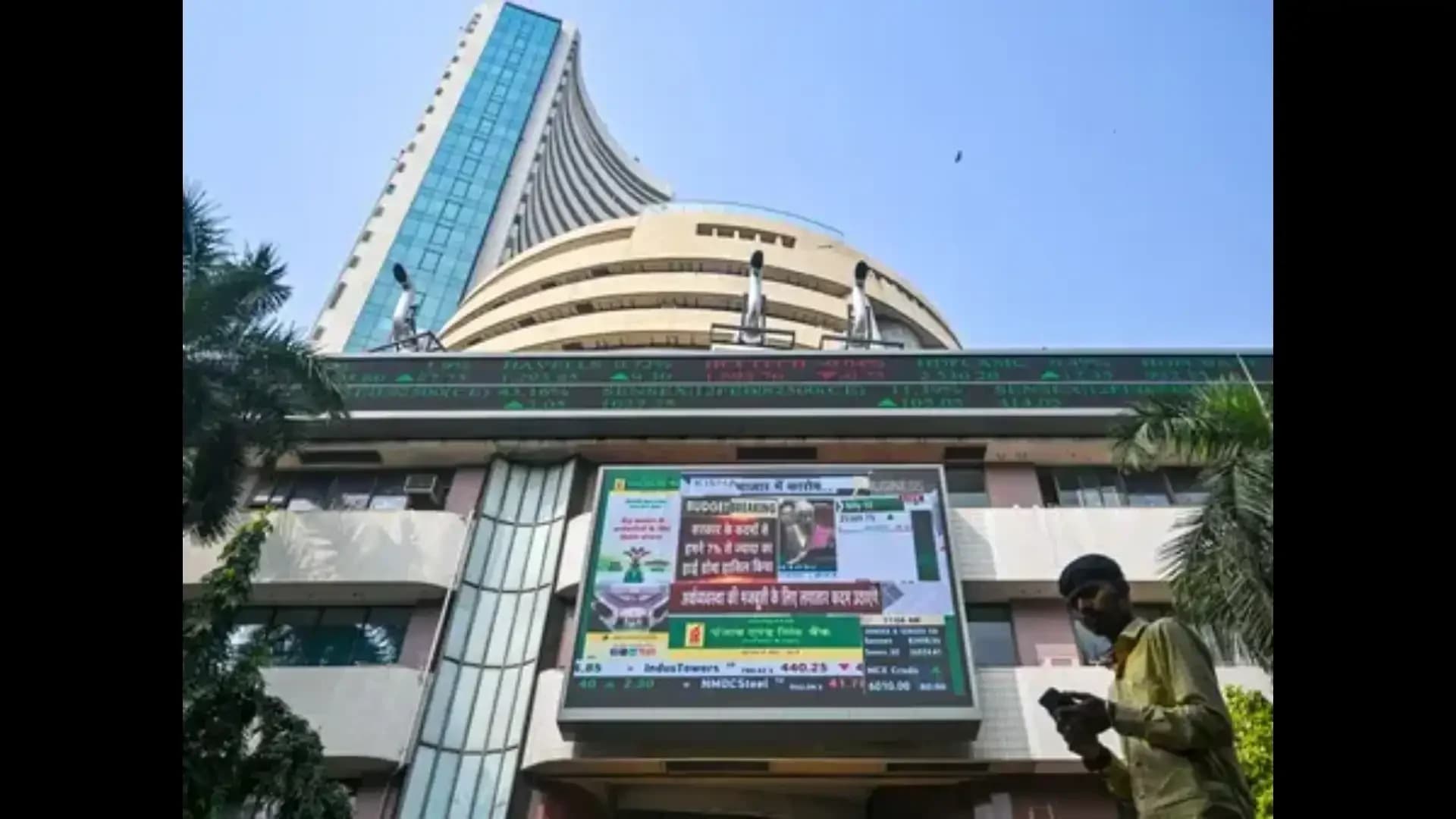
The prolonged negative performance has created challenging conditions for market participants, as reported by The Economic Times. Investors are currently facing what analysts describe as a challenging and prolonged market slump. The extended period without new all-time highs indicates a sustained period of market weakness that extends beyond typical short-term volatility, suggesting fundamental factors may be driving the current downturn. However, recent developments show signs of potential recovery with foreign institutional investors turning net buyers in July and August, investing ₹11,045 crore in July and ₹13,123 crore in August.
The current market performance represents a significant departure from India's recent stock market history, as detailed in the Economic Times analysis. The 697-day streak without new all-time highs is particularly noteworthy given that India's stock markets typically show more resilience over extended periods. The 37% of trading days ending in red over two years compares unfavorably to historical performance, with the 62.3% of trading days with negative one-year returns representing the highest in the dataset. This compares unfavorably to previous worst periods, where 82.5% of Sensex trading days ended with negative two-year returns in 2012, followed by 75.7% in 2009.
Despite the challenging performance, several factors suggest potential market recovery ahead. Foreign institutional investors have started returning to select midcap and smallcap stocks after cutting holdings for two straight quarters, with more than 80% of active global emerging-market funds currently underweight India. HSBC strategists estimate that a return to neutral allocation by underweight funds could generate around $25 billion of inflows. The FII outflows linked to AI rotation have largely played out, with foreign investors now seeking diversification from AI-heavy markets. Additionally, persistent domestic demand remains strong with systematic investment plan contributions continuing and net equity fund inflows recovering in June, particularly directed toward small- and midcap funds.