The BSE Sensex has recovered over 350 points to 74,400 levels during intraday trading, showing signs of recovery after a challenging 2026 performance. According to latest market reports, the index has declined nearly 13% to around 73,900 levels in calendar year 2026, marking a significant departure from the positive performance pattern typically associated with FIFA World Cup years. The current recovery comes as markets undo losses after being under pressure from geopolitical tensions, with the Nifty rising about 100 points towards 23,400 levels during the session.
Indian stock markets have demonstrated a remarkable positive track record during FIFA World Cup years since 1990, with the BSE Sensex delivering positive returns every calendar year when the tournament has been held. As reported by Business Standard, the calendar year gains have ranged significantly, from 3.5% during the joint Japan-Korea tournament in 2002 to 46.7% when Germany hosted in 2006. The only exception was 1998, when the index declined 16.5% due to nuclear tests and subsequent sanctions by the US, Japan, and other major countries.
Despite the current challenges, several analysts maintain cautiously optimistic outlooks for Indian markets. Morgan Stanley's June 2027 base-case target for the BSE Sensex stands at 89,000, assuming continuation in India's gains in macro stability and increased private investment. According to Business Standard, U R Bhat from Alphaniti Fintech expects the Nifty to move between 22,800 and 23,400 levels in the next six months if there's no resolution to the West Asia conflict soon. Bernstein's year-end target for the Nifty stands at 26,000, representing approximately 12% upside from current levels, though ending 2026 with a negligible -0.5% return.
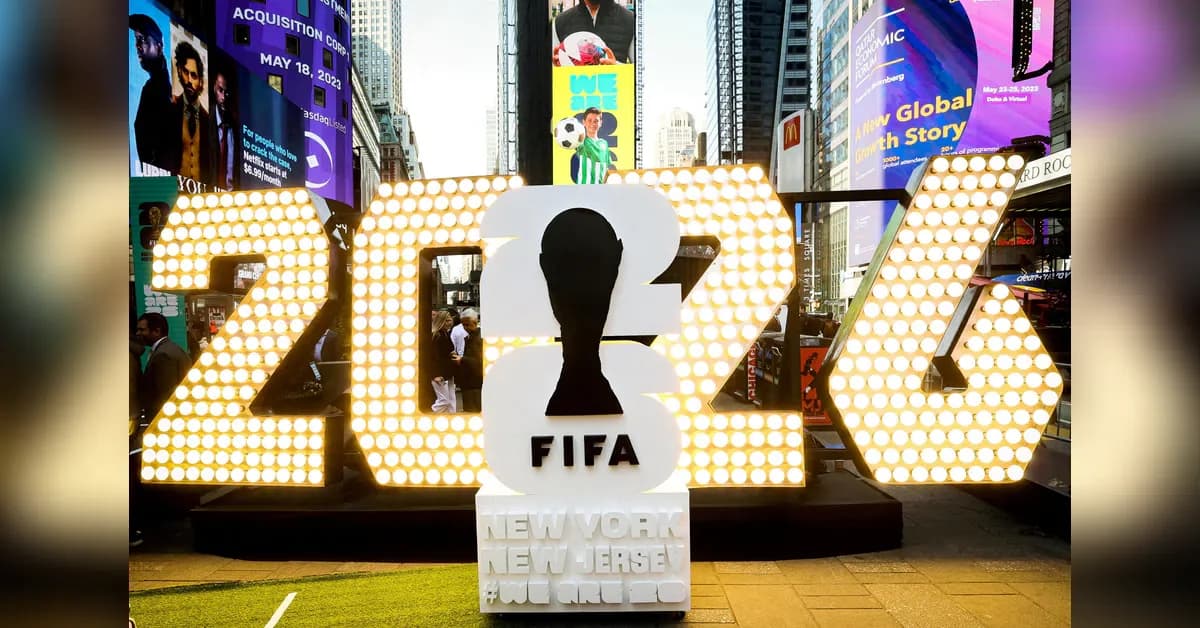
The current market decline coincides with significant geopolitical tensions and economic uncertainties. As reported by Business Standard, Ridham Desai from Morgan Stanley highlighted that key risks include geopolitical tensions, slowing global growth, and concerns about low productivity in farming and potential AI disruption affecting labor markets. The lack of direct AI plays appears to be the most persistent challenge to equity markets, with potential AI disruption for Indian services exports creating additional headwinds. The 2026 FIFA World Cup in the US, Mexico, and Canada comes amid the US-Iran conflict, which has triggered a global stock market selloff and contributed to current market volatility.