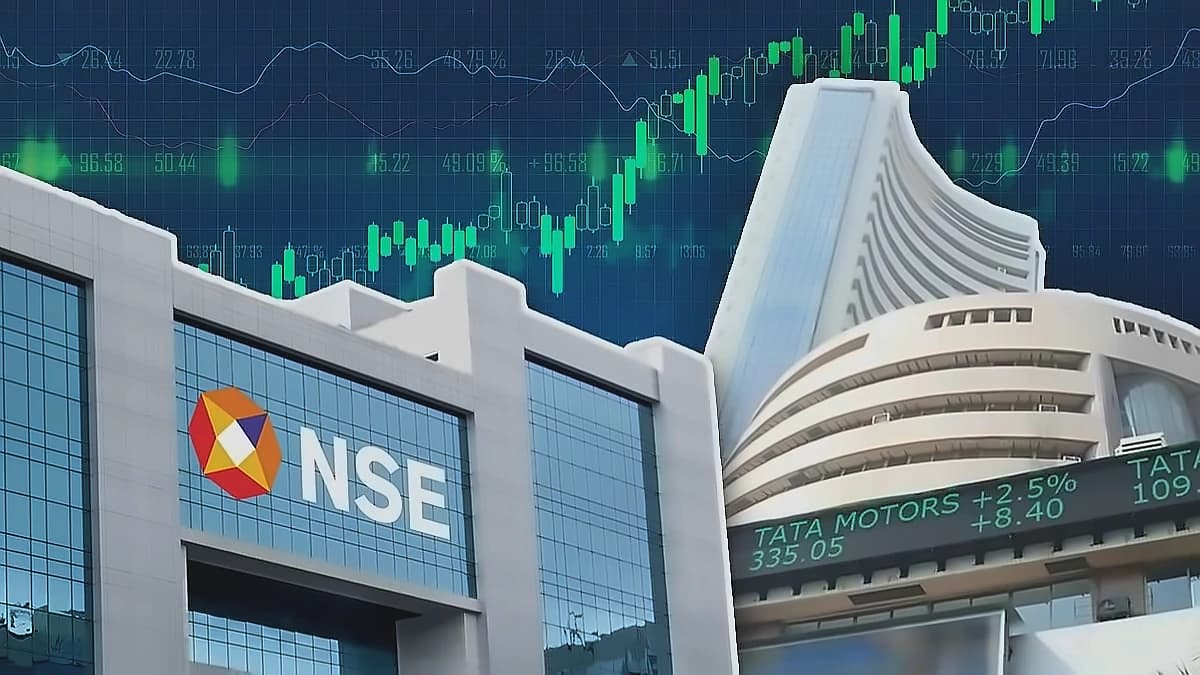
ICICI Direct's Dharmesh Shah advises investors to "buy the dip" as the Nifty targets 24,500-24,800 by July 2026, with key support holding firm at 23,700-23,800. According to ET Now, Shah's latest technical analysis reveals the index is trading in a consolidative phase between its 20-day and 100-day moving averages, with the 23,700-23,800 zone appearing as a strong support area where the 20-day and 50-day moving averages are positioned. The strategy focuses on buying dips in the 23,600-23,800 range as a buying opportunity rather than a cause for caution. Bank Nifty heavyweights are showing technical strength, with HDFC Bank, Kotak Mahindra Bank, and Axis Bank appearing technically well-positioned for the coming week, which could drive the broader index higher toward the July targets.
Indian equities are positioned for a positive July, building on historical trends and recent market strengths. Easing crude oil prices, a stable rupee, and reduced foreign selling are fueling optimism among market participants. According to The Economic Times, over the past 10 years, both the Nifty and Nifty 500 have ended July in positive territory eight times, delivering average gains of 3.1% and 3.2% respectively. Chandan Taparia, head of technical and derivatives research at Motilal Oswal Financial Services, expects July to remain positive following a dull May and June, with the benchmark Nifty potentially adding another 500-700 points, or around 2-3%, from current levels. Brent crude futures have retreated to levels seen before the Iran conflict, hovering around the $70 mark, marking their third straight month of decline. July has also been traditionally good for foreign inflows, which aided market performance. According to data compiled from the NSDL, FPIs have been net buyers of Indian stocks in 9 out of 12 years. As per ET Now, market expert Rohit Srivastava believes the market is likely to maintain a positive bias throughout July due to seasonal trends, with markets historically performing well during June, July and into August.
Indian markets closed marginally higher on Thursday after a volatile expiry session, with the Sensex rising 109 points to 77,100.47 and the Nifty gaining 34 points to 24,056 after giving up intraday gains. According to The Economic Times, sentiment stayed mixed amid profit booking, FII outflows and macro cues, while global equities ended weak. Markets were shut on Friday for Muharram, with analysts expecting range-bound trade ahead. The session came after benchmark indices surged over 1% in afternoon trade before paring gains during the BSE F&O expiry. The Nifty, which ended at 23,865.75 on Tuesday, posted 1.35% gains in June, with the Nifty Midcap 100 gaining 0.1% while the Nifty Smallcap 250 advanced 4.3%. After a modest gain of 3 per cent in June 2026 that saw the Sensex scale a high of 77,800 levels, July can be another month of healthy returns for the index.
According to Sriram Velayudhan, senior vice-president at IIFL Capital Services, as reported by The Economic Times, while the Nifty has been trading in the 23,000-24,300 range in recent weeks, a retest of the upper end of the band is possible in July. Taparia expects mid- and small-cap stocks to continue outperforming large caps, which remain under pressure from persistent foreign institutional selling and weakness in the IT sector. With both the rupee and crude oil prices now stabilising, we believe any near-term declines are likely to be bought, and this could pave the way for the Nifty to move towards the 24,500-24,750 zone, with strong support around 23,500. Devarsh Vakil, Head of Prime Research at HDFC Securities, expects the positive momentum to continue, with the Nifty expected to hit 25,000 levels in July, up nearly 5% from the current levels of 23,866, provided there are no major negative events globally and back home. Vakil expects the index faces resistance at 24,200 levels. If that level is crossed, I expect the Nifty to rally at least 1,000 points from there in July itself. As per ET Now, Srivastava identifies 23,860 as the key support level on the downside, which is likely to hold, while the crucial level to watch is 24,310. Once the market breaks above 24,310, it could pave the way for a smooth move towards 25,000.
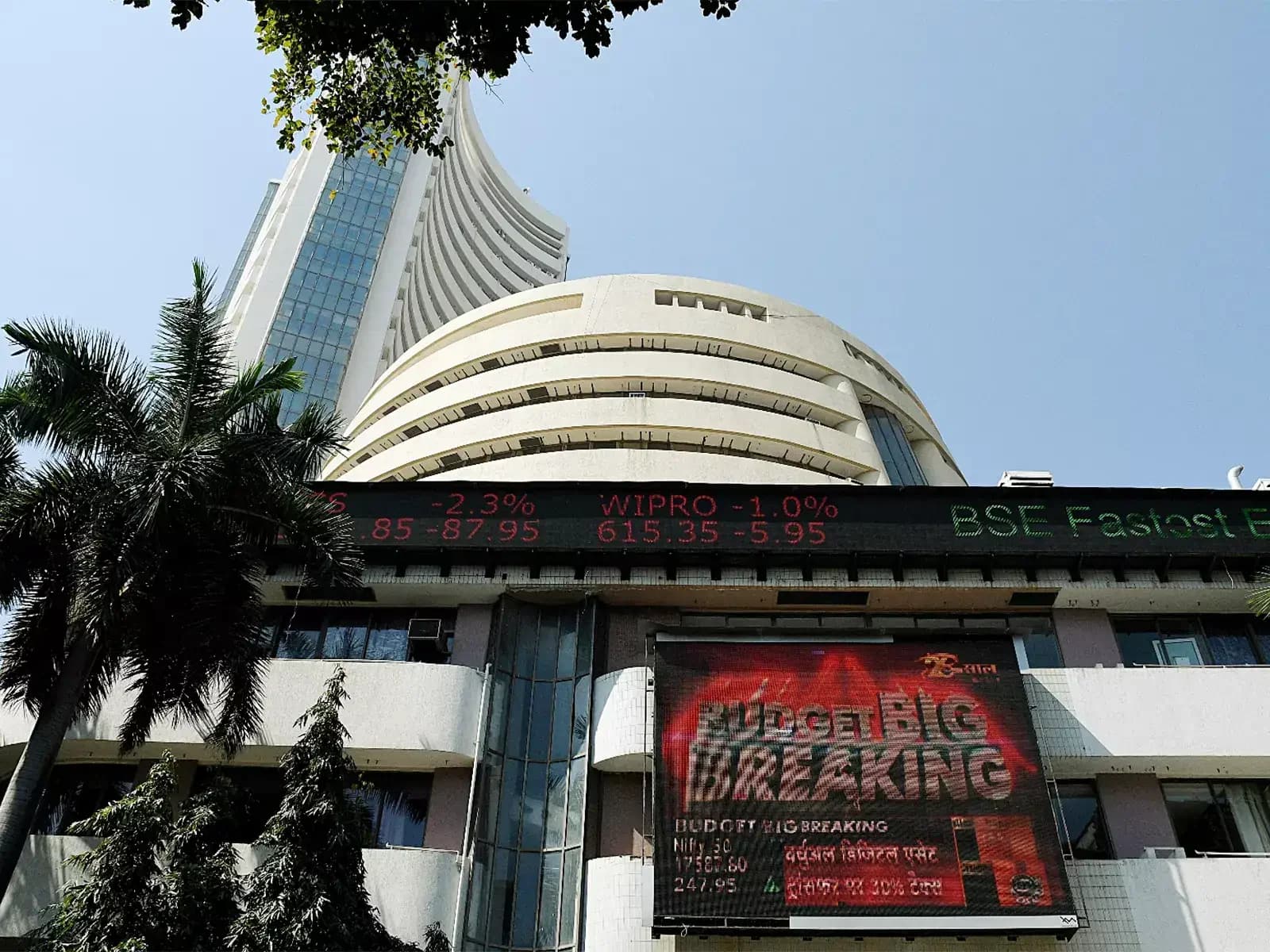
Foreign institutional investor activity will continue as a key market determinant after selling pressure showed signs of easing. According to Dr VK Vijayakumar, Chief Investment Strategist at Geojit Investments, as reported by The Economic Times, relentless FPI selling appears to be over due to rupee appreciation and volatility in other Asian markets making India relatively attractive. Ponmudi R noted that the latest US inflation data, which rose above the 4% mark for the first time in three years, has reinforced expectations that the Federal Reserve may need to maintain a tighter monetary stance. FIIs remained net sellers on a month-to-date basis in June, recording cumulative outflows of approximately ₹45,121.78 crore, while Domestic Institutional Investors (DIIs) continued to provide strong support with net inflows of around ₹76,156.35 crore. July has also been traditionally good for foreign inflows, with data compiled from the NSDL showing FPIs have been net buyers of Indian stocks in 9 out of 12 years. Domestic mutual funds (MFs) were net buyers for 10 years during July, shows data.
Pharma sector presents substantial long-term potential despite short-term volatility. As reported by ET Now, Srivastava noted that the Pharma Index has broken out above 23,600, which is a significant long-term breakout, suggesting that over a one-year horizon, the Pharma Index could move well above 30,000, potentially reaching 33,000. From a longer-term perspective, the outlook is definitely bullish, with substantial upside potential in the medium to long term, and any setbacks are likely to be short-term corrections rather than a change in the broader trend. FMCG sector offers a short-term trading opportunity despite growth sector preferences. According to ET Now, the FMCG index bottomed out around 47,500 and has since recovered to around 49,000, with the index potentially moving towards 50,000-55,000 on a one-month view. Srivastava believes there is a good trading opportunity here, with the FMCG sector showing signs of near-term strength, making it suitable for one-month trading perspective.