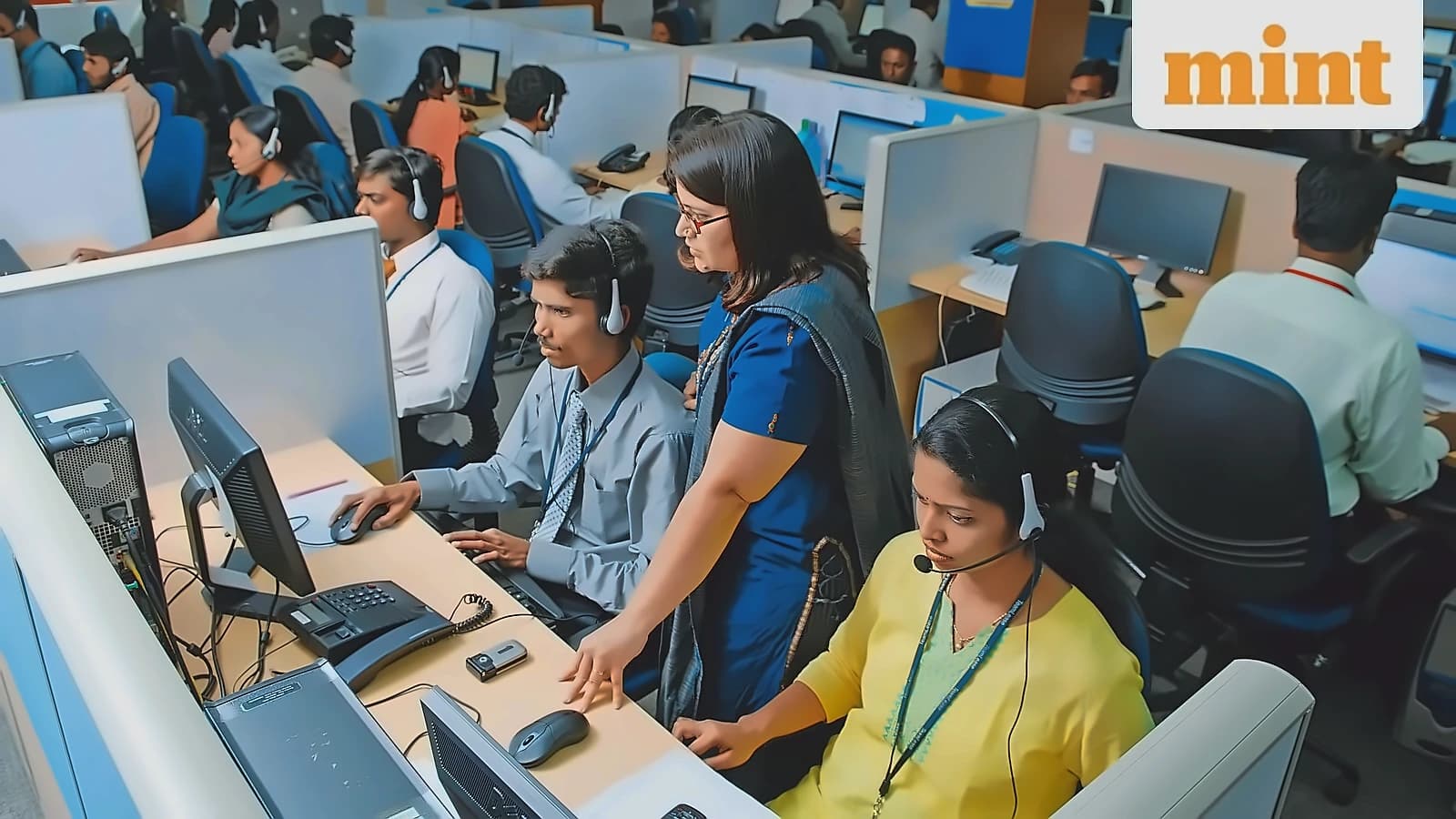


According to a Mint analysis, among the 30 Sensex companies, nine companies reported a 27% decline in new hires during FY26 compared to FY24. The remaining companies either do not disclose or only partially disclose fresh hiring numbers. Among the Sensex companies that have declared hiring numbers since at least FY24, Reliance Industries Ltd, HDFC Bank, State Bank of India (SBI), Bharti Airtel Ltd, Adani Ports and Special Economic Zone Ltd, Axis Bank Ltd, Kotak Mahindra Bank Ltd, Asian Paints Ltd, Tata Steel Ltd, Tech Mahindra Ltd and PowerGrid Corp have reported their hiring figures. All except SBI and PowerGrid have reported lower hiring during this period.
The data reveals significant volatility in hiring cycles across major corporations. Reliance Industries saw new hires rise from 170,000 to 190,000 between FY24 and FY25, only to plummet to 100,000 in FY26. HDFC Bank experienced a dramatic decline from 89,115 in FY24 to 45,902 in FY26. Bharti Airtel hired 5,956 employees about three fiscal years ago, which dropped to 3,751 in FY26. Among the 18 remaining companies, some declare only campus hires, while others do not have data for previous years, making comparisons difficult.
Two public sector companies reported increases in hiring. SBI, India's largest public sector bank, recruited 10,661 in FY24, declined to 1,770 in FY25, but increased to 25,633 in FY26. The state-run bank's latest annual report shows it hired 4,640 officers, 19,340 associates, and 1,653 contractual staff in FY26. PowerGrid, another state-owned company, also saw hiring rise, adding 1,280 employees in FY26, up from just 431 in the previous year.
According to Deloitte India partner Anandorup Ghose, companies have seen improvement in productivity levels with lesser headcount required to drive growing topline. "Some of this might be a function of greater presence of third-party headcount that doesn't feature in the absolute employee numbers or additions—but most of this is on account of productivity benefits," Ghose noted. He advises on rewards and compensation structure across India Inc. Tata Steel attributed the decline to talent requirements from expansion projects at Tata Steel Kalinganagar, with hiring volumes being significantly higher in previous years due to these projects.
Zoho founder and Chief Scientist Sridhar Vembu has highlighted the Indian IT sector's lack of job creation despite growth in AI and data centers. In a social media post, Vembu noted that while the company has not laid off anyone, it has also not been able to create many jobs in recent years. "The money that would have gone to new employees is now going to AI and data center costs due to steep rise in server and memory prices," Vembu explained. He pointed out that rising server and memory prices are diverting funds from hiring to AI and data center expenses, with much of these costs lying outside their control. Vembu expressed doubt that manufacturing could "pick up the slack," noting that extensive automation translates to large-scale manufacturing producing few jobs.