The Nifty IT index rose over 2% on July 10, led by gains in Tata Consultancy Services (TCS) after the company's June quarter earnings and management commentary strengthened expectations of a gradual recovery in demand from the second quarter. According to ET Now, the index hit an intraday high of 28,439.55, reflecting an upside of over 3.5% from its previous close of 27,471.25. The sector's underperformance came as investors awaited critical quarterly results and assessed the impact of hawkish US Federal Reserve minutes on interest rate expectations. All 10 constituents of the Nifty IT index traded in the green, with Oracle Financial Services Software leading gains at 3.97%, while Persistent Systems and Mphasis also gained up to 3.31% and 2.83% respectively. Midcap IT stocks outperformed larger peers on Friday, with companies such as OFSS, Persistent Systems, Mphasis and Coforge leading gains, while heavyweight IT firms posted more moderate advances.
TCS shares climbed 1.34% to ₹2,077 after the country's largest IT services company reported exceptional June-quarter results that marked the start of the first-quarter earnings season for India's $315-billion IT sector. According to ET Now, TCS revenue from operations increased by 14% YoY to ₹72,275 crore for the quarter ended June 30. The company also reported a total order book of USD 9.5 billion for the quarter, including an USD 800 million AI-led transformation deal with SKF, a multi-million-dollar strategic partnership with ServiceNow, and another multi-million-dollar deal with a Europe-based Fortune Global 50 company. TCS announced an interim dividend of ₹12, adding to investor confidence. As per Bloomberg estimates, revenue may rise 1% sequentially to ₹71,743 crore from ₹70,698 crore in the previous quarter, with net profit expected to fall 2% to ₹13,485 crore.
Sudeep Shah, Head of Technical and Derivatives Research at SBI Securities, noted that the Nifty IT index continues to trade below its key moving averages on the weekly chart, indicating that the primary trend remains under pressure. However, from a relative strength perspective, the index has moved from the Lagging quadrant to the Improving quadrant on the Relative Rotation Graph (RRG), suggesting that momentum is gradually building. Shah added that the MACD remains below both the zero line and the signal line, indicating the absence of meaningful bullish momentum. Ruchit Jain, Vice President, Technical Research at Motilal Oswal Financial Services, said IT stocks have entered an oversold zone after the recent correction, making a pullback rally possible in the near term, though it's too early to say that the bottom is in.
Shah identified the 26,100-26,200 zone as a historically strong demand area, noting that between June 2022 and April 2023, the index witnessed multiple rebounds from this region, making it a critical long-term support zone. According to Shah, intermittent pullbacks and short-covering rallies cannot be ruled out, but a meaningful trend reversal is unlikely unless the index decisively reclaims the 29,000-29,100 zone, which also coincides with the previous swing high. Until then, the broader technical bias is expected to remain cautious, with any relief rally likely to face selling pressure at higher levels. The recovery from the July 1 low of 25,699 represents a significant bounce for the sector, though analysts remain cautious about calling a definitive bottom.
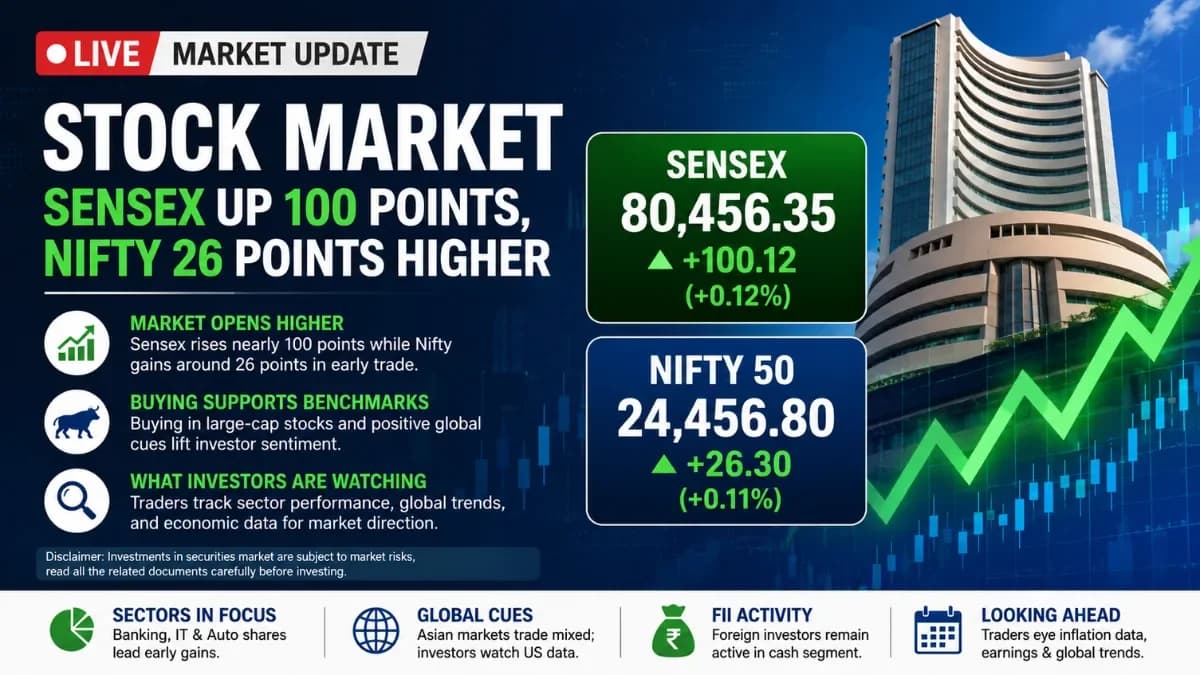
The rally lifted the broader IT pack as the June-quarter results of TCS marked the start of the first-quarter earnings season for India's $315-billion IT sector, which has been facing earnings downgrades due to slower client spending and concerns over the impact of advanced artificial intelligence tools on software companies' business models. Alongside earnings concerns, investors also assessed an HSBC report that challenged the widely held view that Indian IT companies would be among the main beneficiaries of the global AI investment cycle. As per HSBC, "Any moderation in global AI investments and the AI narrative is not a positive read-across for Indian IT, in our view." The brokerage argued that AI is increasing productivity in software engineering work, reducing the need for billable hours in traditional outsourcing services.