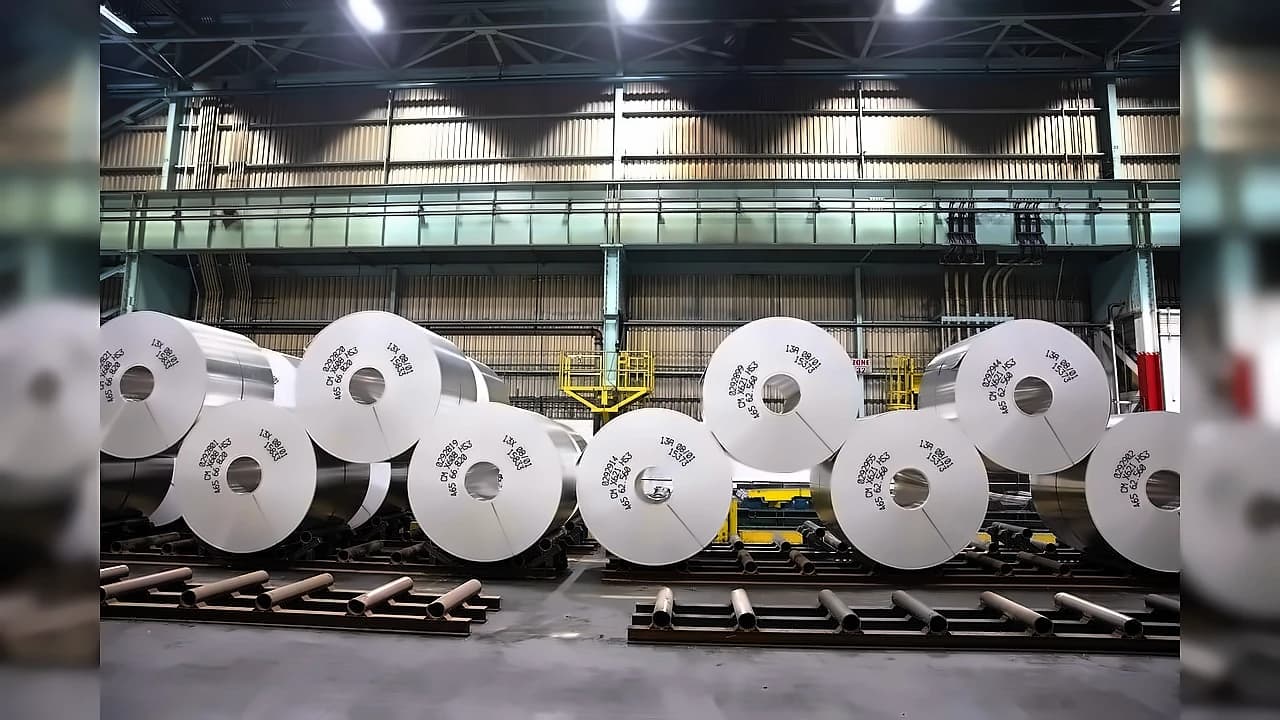
The metals sector experienced significant selling pressure on Wednesday, with the Nifty Metal index falling 1.7 percent in intra-day trade to become the worst-performing sectoral index on the NSE. According to reports from Business Standard, metal shares were under pressure, falling up to 4 percent on the National Stock Exchange in Wednesday's trading session. The latest data shows selling was broad-based across the metals pack, with all constituents of the Nifty Metal index trading lower, extending a sharp reversal in the sector after a strong rally over the past few months. The sentiment has turned cautious after stronger-than-expected US jobs data raised the possibility that the US Federal Reserve may keep interest rates elevated for longer and could even consider further tightening if inflationary pressures persist. In the past six trading days, the Nifty Metal index has underperformed the market by falling 6 percent, as compared to 0.44 percent decline in the Nifty 50, highlighting the sector-specific nature of the decline.
Major metal companies faced substantial losses across the board, with Hindalco Industries and Hindustan Zinc down 4 percent each in intra-day trade according to Business Standard. Welspun Corp, Hindustan Copper, National Aluminium Company (NALCO), Vedanta, Steel Authority of India (SAIL) and Lloyds Metals were down in the range of 2 percent to 3 percent. However, JSW Steel and Jindal Steel erased intra-day losses, and were trading up to 2 percent higher on the NSE. Hindustan Zinc fell 2.79% today to trade at ₹548, with the stock having lost 12.86% over the last one month compared to a 0.29% fall in the BSE Metal index and 2.67% drop in the SENSEX. Hindustan Zinc has hit a record high of ₹732.6 on January 28, 2026, and reached a 52-week low of ₹413.4 on August 1, 2025. NALCO decreased 1.6% and Hindalco Industries Ltd decreased 2.21% on the day, according to Business Standard.
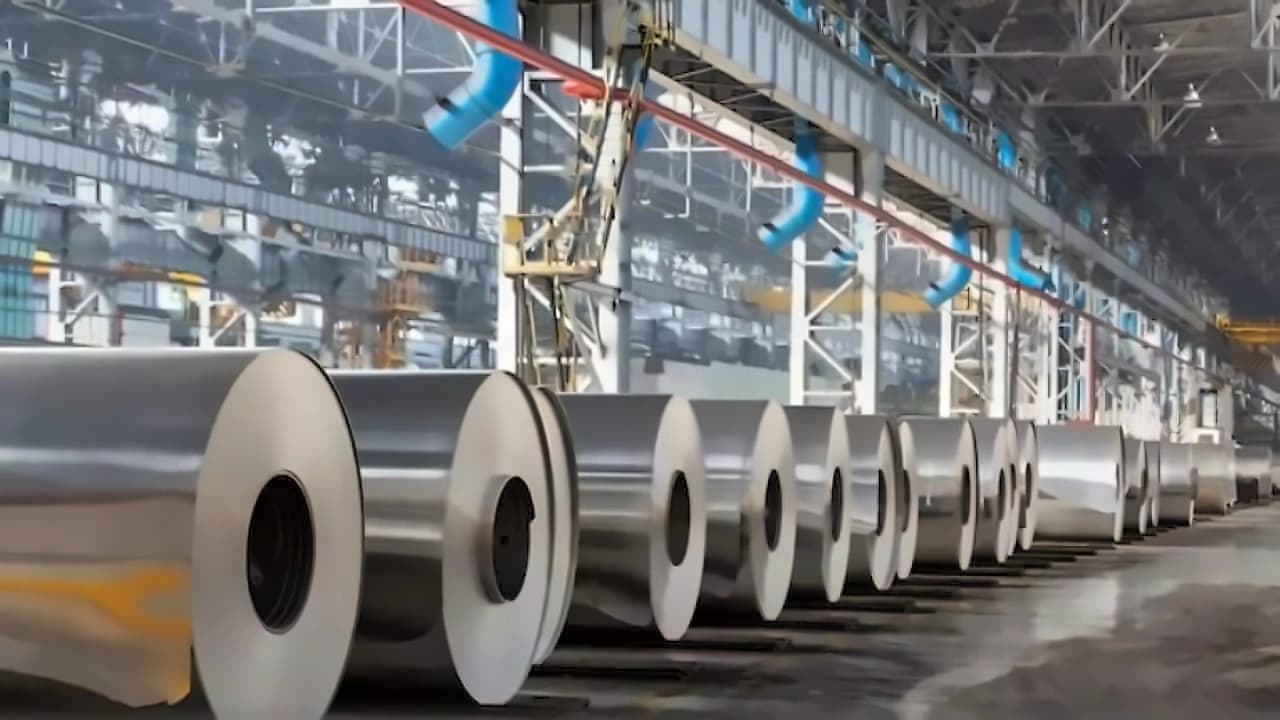
China's steel exports declined by 3 percent year-on-year to 10.3 MT in May 2026, with cumulative exports in CY26 on YTD basis reaching 44.6 MT (down by 8 percent YoY) according to Business Standard. While the continued YoY decline in Chinese steel exports is encouraging, it witnessed a 9 percent sequential increase, potentially driven by higher export opportunities arising from the absence of Iranian steel in key markets. Going forward, lower Chinese steel production and exports ease import pressure on the domestic market, thereby supporting domestic steel price stability, as noted by ICICI Securities. The brokerage firm remains positive on the domestic steel sector, with Tata Steel as a preferred pick, supported by ongoing capacity expansions, restructuring initiatives in Europe, and a strong focus on cost optimisation.
Technical indicators suggest these declines are approaching oversold territory, with NALCO's RSI at 38 and Hindustan Zinc's RSI at 31. Hindustan Zinc has broken below its 100-DMA at ₹603 and 50-DMA at ₹594, with the fall now dragging the stock towards its 200-DMA support level of ₹548. Despite the recent correction, SAIL has fared relatively better, remaining above its key moving averages with the 50-DMA at ₹180 and 100-DMA at ₹167. As per CNBC TV18, metal stocks are declining in line with the move seen on the US Dollar Index, which has rebounded from sub-98 levels to back at 100. Rising bond yields are being detrimental to equity markets globally, with US two-year bond yields at their highest level since February 2025 and 10-year bond yield back above 4.5%. Global risk appetite also weakened after renewed hostilities in the Middle East pushed up oil prices and heightened concerns about inflation and global economic growth.
In stark contrast to the metals decline, the banking sector emerged as the standout performer following the RBI's policy announcement. Bank Nifty hit a day high of 54,732 post-RBI and maintained levels around 54,313 even as broader markets reversed. According to market analysts, SBI had been flagged as a key watch name given its +0.91% pre-RBI outperformance on June 4. ICICI Bank, as the private banking leader with CASA ratio above 40%, and Bajaj Finance, as the NBFC directly benefiting from unchanged consumer lending rates, are the most direct beneficiaries of the RBI hold. The banking sector's resilience reflects genuine positivity for banking fundamentals, including stable net interest margins and unchanged home loan and auto loan EMIs that keep credit demand robust.
Despite the recent correction, the Nifty Metal index remains the best performing sectoral index in 2026 so far, with gains of 14 percent compared to the Nifty 50's 10.5 percent decline. However, metal stocks are generally negative for metals as they are globally priced in the US Dollar and a rising dollar means decreased purchasing power. The sector's decline is also attributed to rising bond yields, which mean investors prefer interest yielding instruments instead of commodities like metals. Analysts said falling metal prices, stretched valuations after the recent rally and concerns over the global growth outlook have prompted investors to book profits in the sector. The RBI's cautious policy stance, leaving interest rates unchanged at 5.25 percent while warning about rising energy prices and geopolitical tensions, continues to influence market sentiment. The central bank also lowered its FY27 GDP growth forecast to 6.6 percent from 6.9 percent and projected inflation at 5.1 percent for the year.