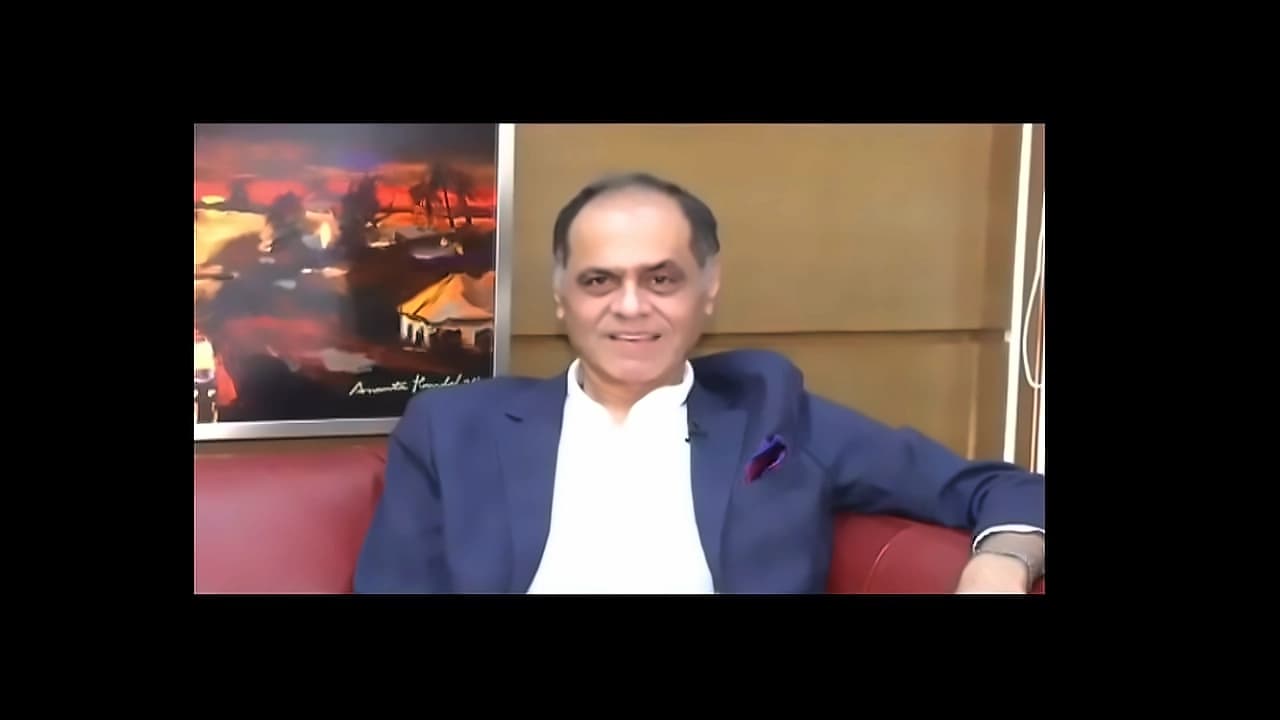
According to The Economic Times, ANMI President Kamlesh Shroff highlighted that recent market volatility is creating a clear divide between experienced and new market participants. Speaking during an interview with ET Now, Shroff explained that sharp market volatility mostly affects investors who have newly entered the markets, while seasoned investors instead enjoy it. The newly-elected President of the Association of Stock Brokers noted that the market volatility may disturb the younger investors who have come to the markets in the last run and are seeing such sharp turns for the first time. This volatility pattern has been observed following March's sharp selloff, with markets experiencing both strong upswings and downswings.
As reported by The Economic Times, Shroff predicted that this volatility may lead to some retail investors exiting the markets. When asked about SEBI's crackdown on derivatives trading, Shroff highlighted that at least 50% of investors lose money in F&O trading. He noted that SEBI's data says 90% traders are losing money in F&O, but Shroff believes at least 50% is indeed incurring losses in the segment. According to a regulatory study released in July last year, at an aggregate level, nearly 91% of individual traders incurred net loss in the equity derivatives segment in FY25 and a similar trend was observed in FY24 as well. Retail activity is heavily concentrated in weekly index options, raising concerns about systemic risk.

According to The Economic Times, after the Union Budget 2026-2027 sharply increased the securities transaction tax on futures and options, Finance Minister Nirmala Sitharaman defended the move, arguing that the government could not remain silent as speculative 'satta' in derivatives inflicts heavy losses on small retail investors. Sitharaman stated that 'We are touching only the futures and options segment. No one has increased transaction costs elsewhere. Speculation, what we call 'satta' in Hindi, is highly risky, and many people with limited funds face heavy losses. The nominal increase in STT is aimed purely at deterring excessive speculation'. She emphasized that the government cannot ignore the losses faced by small investors and that this tax is only one element to support that policy.
As reported by The Economic Times, Shroff suggested that markets could also focus on the product suitability - new products for novice investors, unlike the typical contracts that are better suited for more seasoned traders. He highlighted that the F&O segment needs such products that look into net worth to ensure participation. Additionally, Shroff suggested that NISM exams, which are there for every dealer module, should have a module for the same for those wanting to participate in the futures and options segment. These reforms are aimed at ensuring that new investors are better equipped to navigate the complex derivatives market and reduce the likelihood of significant losses.