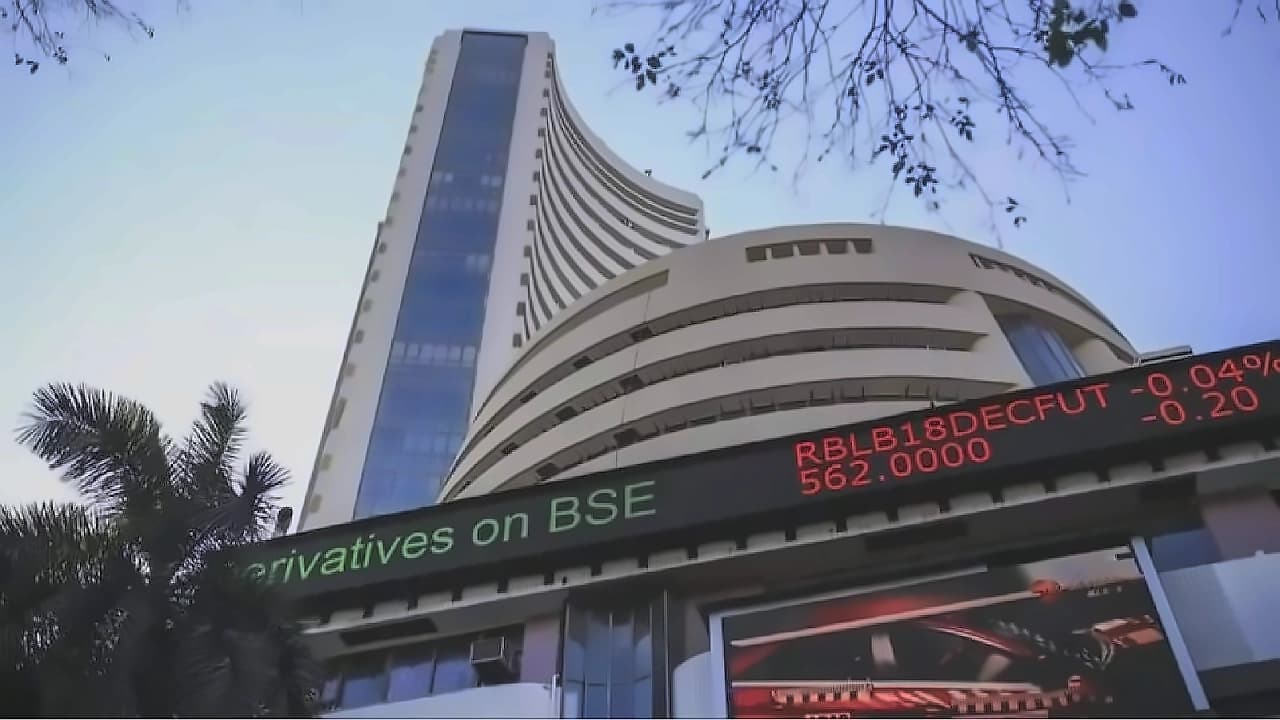
According to a report by Jefferies' GREED & fear, India has emerged as the world's most vibrant capital market after the United States. The report highlighted how India's market structure differs significantly from other regions, where retail investors are increasingly directing money towards US equities through trading applications. This trend has contributed to declining trading volumes in Southeast Asian markets as funds move towards American stocks, particularly those linked to Big Tech. As reported by Jefferies, "Indeed GREED & fear would argue that India is now the most vibrant capital market globally after America's," emphasizing the country's unique position in the global financial landscape.
The report emphasized that India's capital markets have been protected by a closed capital account which has allowed a vibrant capital market to develop internally. As reported by Jefferies, this contrasts sharply with other parts of the world where retail investors are increasingly directing money towards US equities. The closed capital account structure has helped protect domestic exchanges from foreign outflows and supported the growth of local investors, with the report noting that "India's capital markets have been protected, by contrast, because of a closed capital account which has allowed a vibrant capital market to develop internally."
According to the Jefferies report, India's equity market is healthier than its US counterpart, citing greater portfolio diversification, an active mid-cap segment and limited dependence on passive investing. The report contrasted this with the scale of passive investing in the US, arguing that it had encouraged investment without sufficient consideration of individual stocks. It also pointed to differences in regulations governing investment applications, noting that "Regulatory frameworks also differ, as Indian investment applications do not permit payment for order flow," another feature distinguishing the domestic market from the US. The report emphasized that "Equity portfolios are much more diversified. There is a vibrant mid-cap sector while there is a marked lack of passive investing," highlighting India's structural advantages over American markets.
The report raised concerns about the growing concentration of global investment in American equities, driven by institutional holdings and retail interest in artificial intelligence-related stocks. As reported by Jefferies, the US accounted for 67.2% of global stock market capitalisation under the MSCI AC World Index as of December 24, 2024. The report suggested this share was likely to represent a peak, warning that foreign exposure to US equities could prove to be a massive misallocation of capital. "For related reasons, the foreign exposure to US equities is likely to prove to be a massive misallocation of capital if GREED & fear is right," the report stated, emphasizing the potential risks of continued concentration in American markets.
According to Jefferies, there is a significant divergence between foreign investment in US government debt and equities. Overseas central banks have reduced their holdings of US Treasury securities from 36.4% at the end of 2011 to 11.5% in September 2026, while foreign investors made net purchases of $945 billion in US equities in the 12 months ending September 2026. The report warned that a potential fall in US equity valuations could create deflationary risks for American retail investors, with implications for the country's monetary policy. This divergence highlights the different investment strategies of foreign entities, with central banks reducing exposure to US government debt while continuing to invest in American equities.