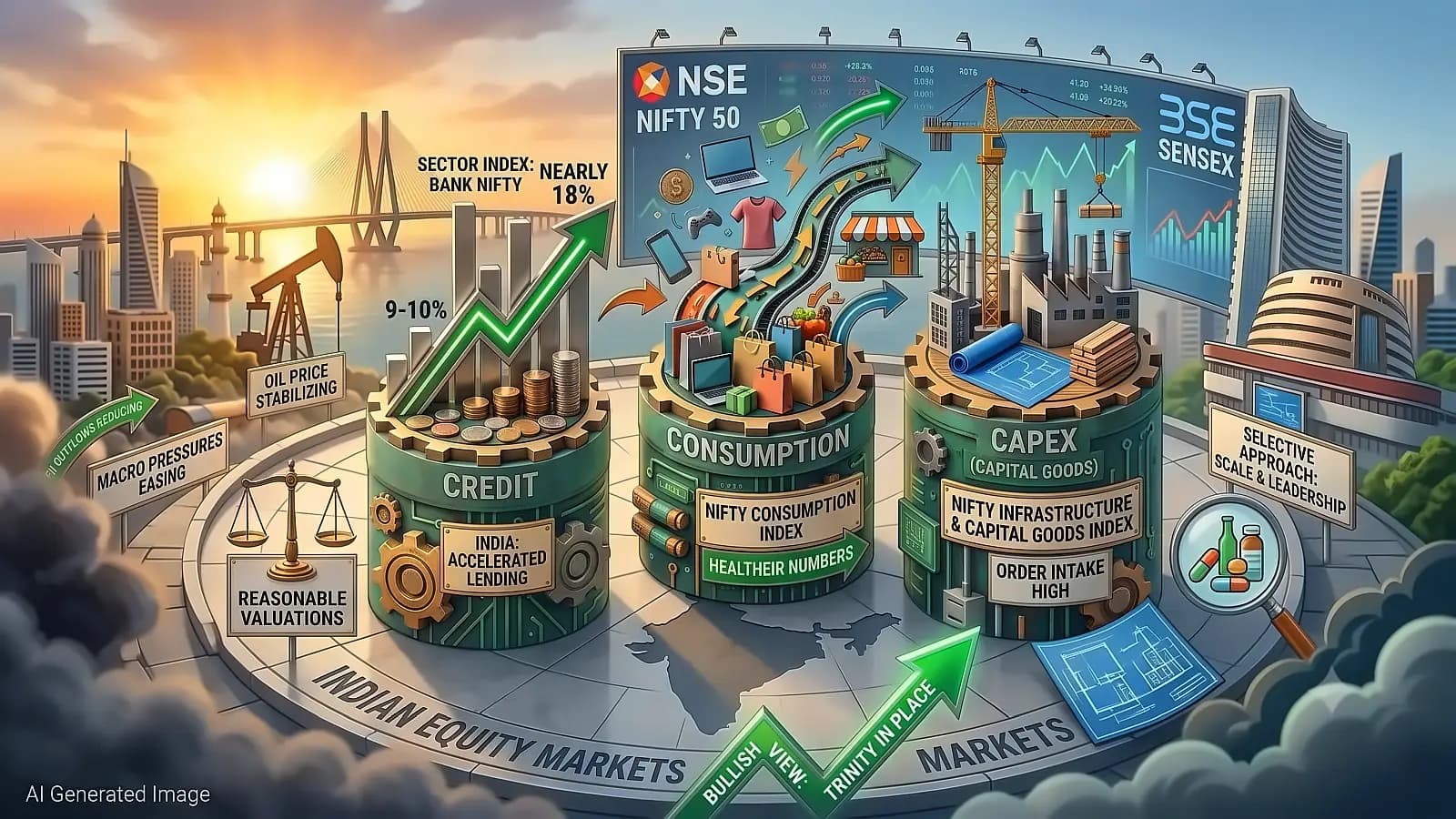
IT stocks have shown resilience ahead of Q4 FY26 results, with the Nifty IT index remaining largely flat while the broader market declined 10% since March. According to reports from CNBC TV18, the sector has experienced significant volatility, with the Nifty IT index plunging 24% in Q4 compared to a 14% decline in the Nifty. The weaker rupee has emerged as a key positive factor, leading to EPS upgrades of 2-4% for FY27 and to a lesser extent for FY28, helping offset concerns around AI-related disruption and geopolitical tensions.
Major IT companies are expected to deliver strong EPS growth in FY27, with projections showing significant variations across the sector. As reported by CNBC TV18, Tech Mahindra leads with 30% EPS growth for FY27, followed by LTIMindtree at 20% and Persistent Systems at 30%. HCLTech is projected to achieve 17% EPS growth, while Wipro and Mphasis are expected to deliver 5% and 15% growth respectively. TCS and Infosys are forecast to grow 13% and 11% respectively for FY27.
The IT sector has underperformed significantly but shows signs of recovery potential. According to CNBC TV18, consensus expectations still point to double-digit EPS growth for IT companies in FY27, following low single-digit growth in FY26. The Nifty is currently trading at around 18x forward PE, representing a 15% discount to its long-term average of 20.5x and well below the peak of 24x seen in September 2024. On the broader earnings front, sectors seeing steepest FY27 downgrades include auto at -11%, cement at -12%, and oil and gas with double-digit cuts.
The focus for Q4FY26 results will be on margins and EPS growth, aided by rupee depreciation, as reported by CNBC TV18. While revenue growth for Q4FY26 and FY27 is likely to remain modest, the Street expects a recovery to double-digit EPS growth in FY27. The key challenge remains whether IT companies can guide their way out of current pessimism, with the sector having underperformed significantly and valuations experiencing significant PE compression. The currency tailwind is helping offset the drag from weaker discretionary spending amid geopolitical uncertainty and potential AI-driven pricing pressures.