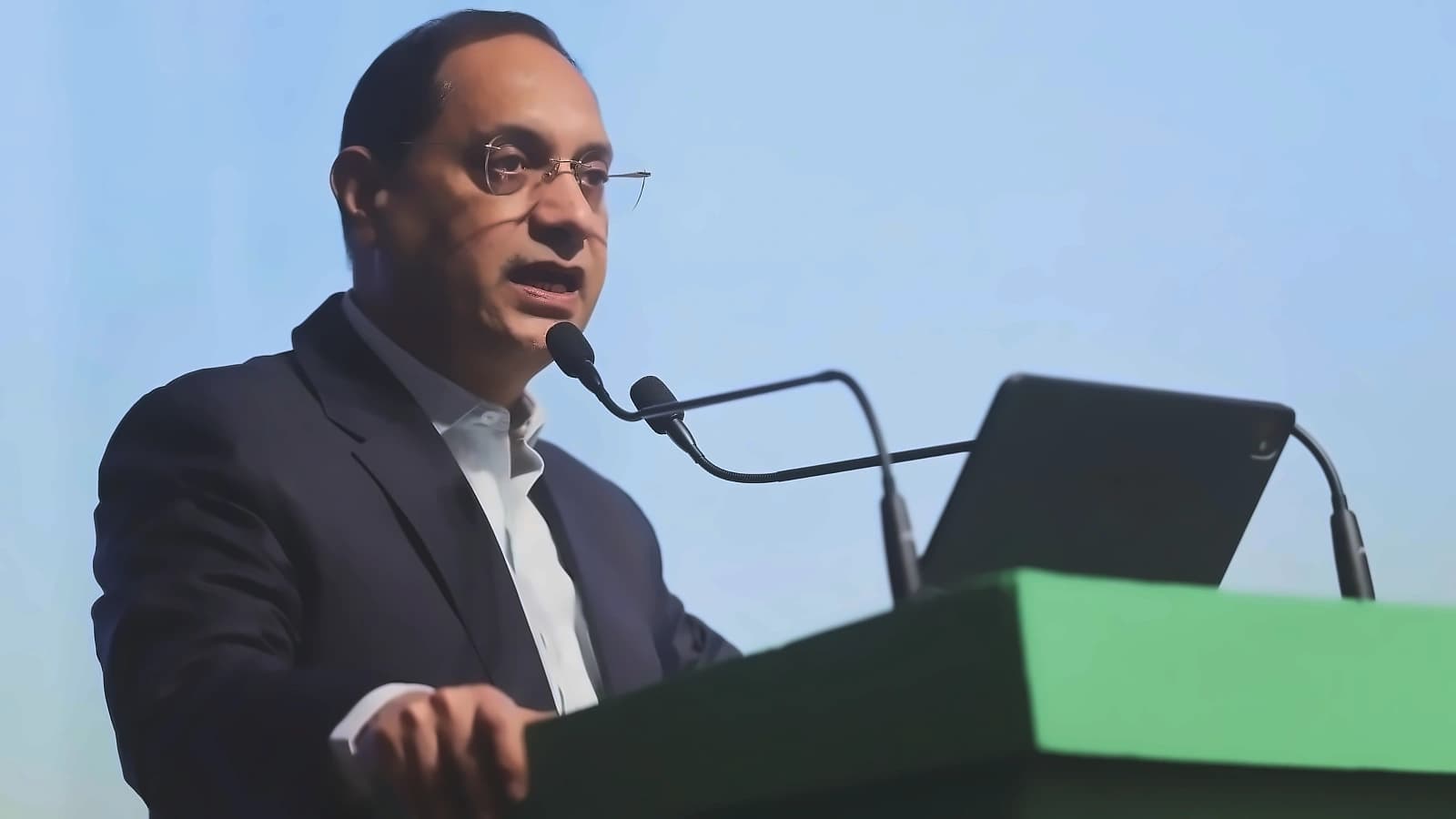
India's IPO market is positioned for a significant recovery in the second half of 2026, with BofA Securities expecting the upcoming supply to make up much of the shortfall from the slow start to 2026. According to BofA Securities' head of India corporate and investment banking, Mandar Donde, while IPO activity has been lower this year than in 2025, the upcoming supply pipeline will help IPO fundraising catch up with last year's levels. The recovery is supported by a steady pipeline for early next year, as several companies had postponed their plans due to market volatility. As of 22 August, 59 companies have raised ₹72,078 crore in 2026, compared to 103 companies raising ₹1.75 lakh crore through 2025, highlighting the current market conditions. The Indian primary market has been buzzing in recent years, emerging as one of the most active IPO markets globally, with the number of issues crossing 350 annually.
Retail investors have sharply reversed their investment strategy in FY27, with ₹39,053 crore in net purchases of listed stocks compared to a ₹5,803 crore outflow in the entire FY26, according to NSE data. This marks a complete turnaround from the unusual pattern seen last year when individuals sold shares in the secondary market while continuing to invest in IPOs. The contrast is even more pronounced when looking at primary market deployment - retail investment in FY27 stands at ₹7,134 crore, substantially lower than the ₹42,608 crore deployed in the previous financial year. Of the combined net investment of ₹46,187 crore in FY27 so far, nearly 85% has gone into the secondary market, highlighting the clear shift in retail equity flows. However, retail participation in IPOs has become increasingly selective, with data from The Economic Times showing retail bidders fully subscribed to their quota in only 30 out of 42 mainboard offerings in 2026, down from 44 out of 49 issues (90%) in 2025 and all 50 IPOs in 2024.
The current IPO market is witnessing a significant shift toward diverse industrial and niche companies, moving away from traditional patterns. Industrial players from old-economy sectors are making a strong return to capital markets, with companies spanning steel and coal, textiles, power, recycling and metals increasingly finding their way to the market. Notable examples include Lumino Industries, Annu Projects, Laser Power & Infra (EPC), Kusumgar and Aastha Spintex (textiles), Ardee Industries (metal recycling), Indo-MIM and Hy-Tech Engineers (high-precision components), GSP Crop Science (agrochemicals), Behari Lal Engineering (iron and steel), and Shiprocket, Horizon Industrial and LEAP India (logistics). At the other end of the spectrum, niche players have entered the market, including Tempsens Instruments (thermal engineering and specialized cable manufacturing), Gaja Alternative (the first alternative investment fund company), Rays of Belief (for-profit social enterprise for children with neurodevelopmental disorders), and Kwick Forensic Solutions Ltd (forensic science and digital solutions). High-profile, institution-backed companies such as Sedemac Mechatronics (IIT Bombay), Indo-MIM Ltd (IIT Madras), and Ather Energy (IIT Madras) have also tapped capital markets, with companies from Rajasthan, Madhya Pradesh and Bihar launching IPOs on mainboard exchanges.
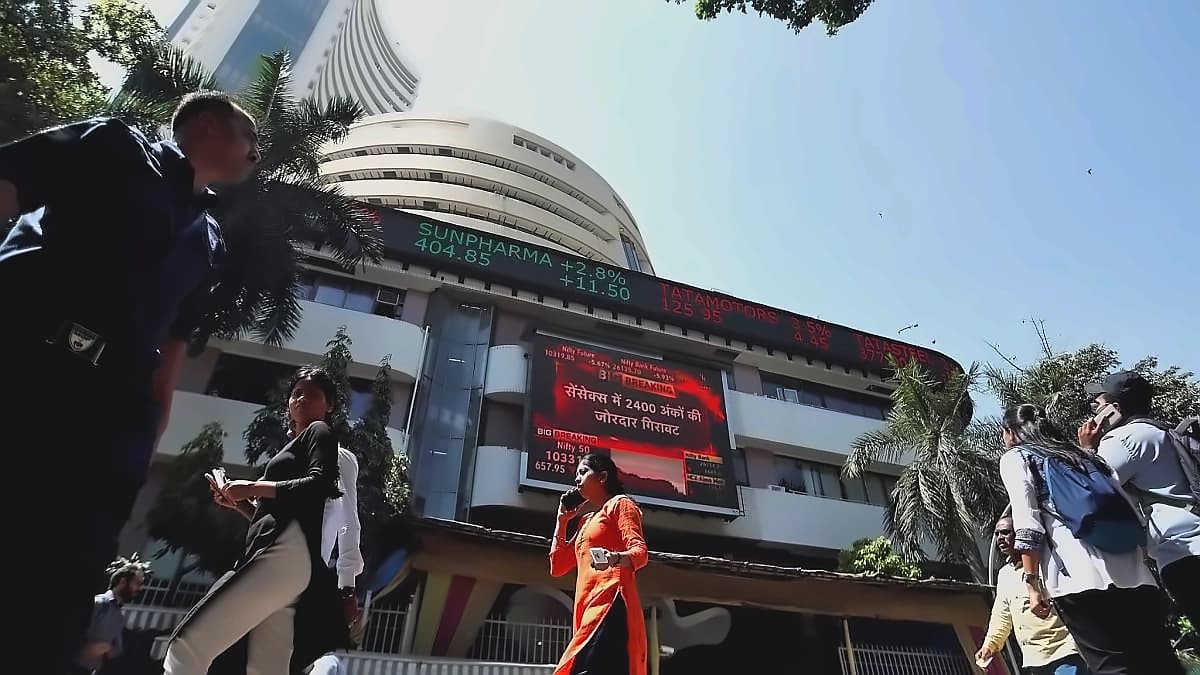
Recent market data reveals the challenges of IPO investing, with Business Standard reporting that grey market premiums are a marketing tool and indicative, but not a surety for listing gains. A recently listed film entertainment company was subscribed over 100 times and debuted with a close to 10% premium, but listing gains reduced to mere 2.5% by the end of the day. Similarly, SBI Funds Management, which issued shares at ₹574, remained above issue price for 11 trading sessions before falling below it and continues to trade below the issue price. The Bajaj Housing Finance example demonstrates this volatility, with shares issued at ₹70 hitting upper circuit for two consecutive days before declining to ₹72.60, nearly touching the issue price. A SEBI study in 2024 found that about 54% of IPO shares (in value terms) allotted to investors, excluding anchor investors, were sold within a week of listing, with individual investors selling 50.2% of their allotted shares within a week of listing. These cases highlight that premiums are a marketing tool and indicative, but not a surety for actual listing performance, emphasizing the importance of fundamental analysis over subscription buzz.
Despite current weakness, the IPO pipeline remains substantial with companies planning to raise ₹2.65 trillion having received Sebi approval, while draft offer documents for issues worth another ₹2.02 trillion are awaiting regulatory approval. Together, these issues represent a visible pipeline of about ₹4.66 trillion, more than 13 times the ₹35,229 crore raised through mainboard and SME IPOs in FY27 so far. BofA Securities has been actively involved in major recent IPOs including SBI Funds Management's $1 billion IPO, Shiprocket's $170 million IPO, Ather Energy's $135 million QIP, and served as sell-side advisor for FMC Corp's $252 million India business sale. The firm is also the advisor for the highly-anticipated public listing of Jio Platforms, expected to take place over the next quarter, with companies such as fintech unicorn Moneyview and Proptech unicorn Square Yards also mandating BofA for their upcoming IPOs. The message from subscription levels is unambiguous — with most IPOs heavily oversubscribed, demand for primary-market offerings remains strong and sustained, as India's primary market is rapidly emerging as a global growth engine.