India's margin trading facility has ballooned to ₹1.38 trillion ($14 billion), according to the latest data from the National Stock Exchange, representing a 50% jump from a year earlier. As reported by The Economic Times and CNBC TV18, this figure may not appear substantial compared to the $5 trillion market capitalization of stocks listed on India's biggest bourse, but the growth rate and distribution pattern present significant concerns for policymakers. New-age digital brokers are aggressively competing with traditional rivals to scale their client-funding portfolios, with retail and high-net-worth investors absorbing these funds at record rates. The buildup is starting to look scary as the leverage trap mirrors South Korea's cautionary tale about excessive financial leverage.
Unlike Korea's AI-focused speculation concentrated in Samsung Electronics and SK Hynix, India's leverage is dispersed across penny stocks promoted by finfluencers. According to The Economic Times, brokers charge 9% to 18% annual interest and want to reduce rates further. The problem extends beyond large-cap blue chips, with SBC Exports Ltd.'s shares having more than doubled over the past year, where investors who borrowed to buy account for nearly 15% of its market capitalization. Similarly, Zee Entertainment Enterprises Ltd., despite losing 80% of its value over nine years amid governance scandals, remains a favorite among leveraged traders. The fear of missing out on the next "multi-bagger" seems to be the psychological driver, with a disproportionate amount of margin debt bypassing large-cap blue chips.
Margin financing for precious metals ETFs has witnessed a 15-fold surge from a year earlier, as reported by The Economic Times. For some stocks-focused ETFs, borrowed money accounts for 30% to 50% of the fund size. Groww's margin-funding business has swelled 10-fold over seven quarters to around ₹38 billion, while Angel One's client-funding book reaches ₹71 billion. The concentration of debt in illiquid stocks creates vulnerability, as these shares have no ready buyers on regular days and could enter freefall if forced liquidations occur. With the exposure spread across thousands of tiny, collateralised, short-duration loans, delinquencies may pose negligible risk to the brokers, but if they start dumping these investment vehicles, the shock waves might spread across the market amid a surge in household debt.
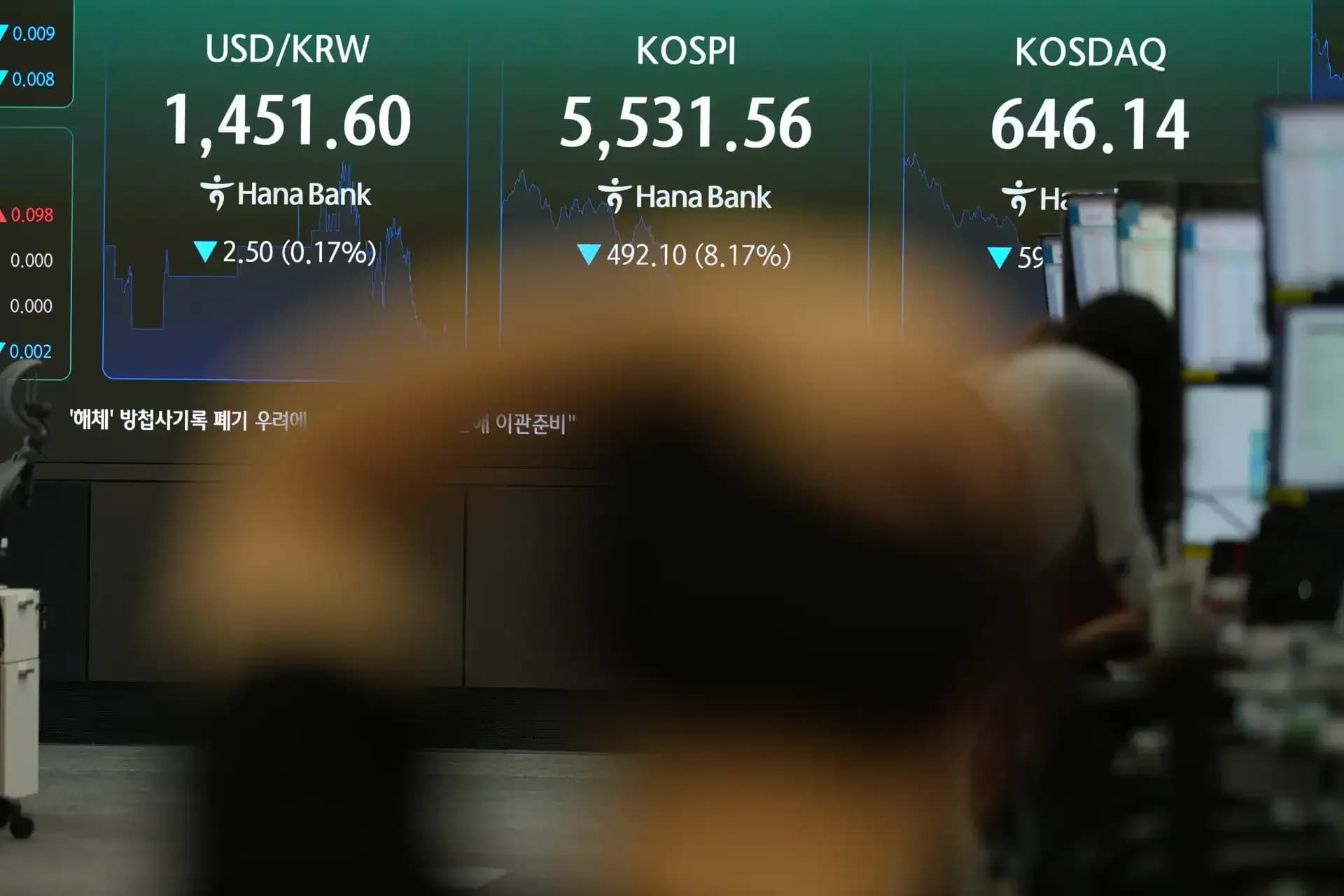
India has avoided raising interest rates so far, but a falling rupee and elevated energy prices may test policymakers' resolve. According to The Economic Times and CNBC TV18, with inflation expectations above 9% for the near future, it makes little sense for savers to leave money in deposit accounts earning 6%. Unlike Korea's AI-driven leverage, India's margin debt supports stocks that global investors are avoiding. The Securities and Exchange Board of India has acted decisively to protect small investors from index options, but younger traders are now borrowing for cash market plays after SEBI's stricter rules. Korea has started tightening monetary policy to prevent the economy from overheating from better-than-expected growth in exports, investment, and consumption, with higher borrowing costs helping with the ongoing unwinding of margin debt.
The central bank needs attention as energy import costs remain elevated due to Middle East hostilities, with little chance of decline. Adding to concerns, deficient monsoon rains pose risks to food supplies, creating a serious danger that interest rates may need to stay higher for longer to tame inflation and steady the weakening rupee. As reported by The Economic Times and CNBC TV18, if margin funding continues unchecked, the inevitable unraveling may end up looking much harsher than an orderly market correction. The central bank's attention is particularly crucial given the concentration of debt in illiquid stocks, where forced liquidations could trigger widespread market corrections.