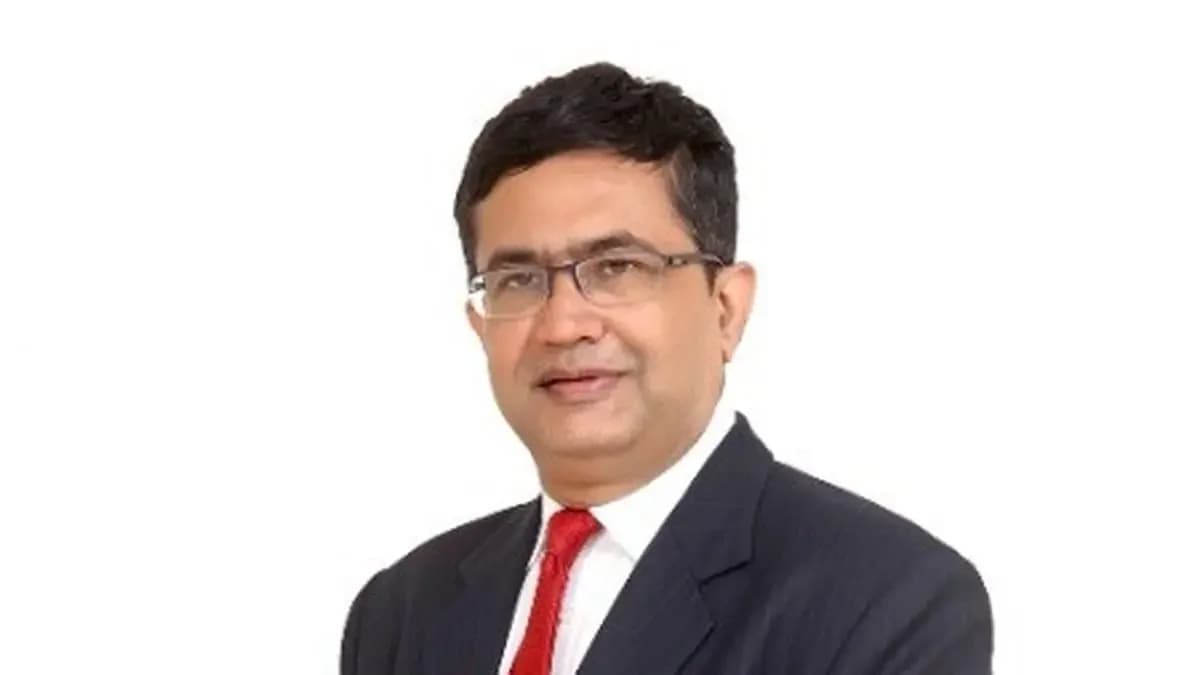
The Association of NSE Members of India (ANMI) celebrated its 31st Foundation Day on Thursday at the National Stock Exchange in Mumbai, marking three decades of transforming India's capital markets. The event was attended by regulators, exchange officials, brokers and other market participants, with SEBI Executive Director Govindayapalli Ram Mohan Rao serving as chief guest and NSE Managing Director Ashish Kumar Chauhan as guest of honour. As reported by UNI, ANMI President Kamlesh D. Shroff emphasized the association's commitment to supporting reforms, technological innovation and investor-centric growth in India's capital markets. Established in 1995, ANMI has grown into the country's largest association of capital market intermediaries, representing more than 800 stock brokers and working closely with regulators and exchanges over the past three decades to promote policy reforms, industry engagement and investor protection.
The most tangible transformation has been the shift from physical share certificates to electronic holdings through the establishment of the National Securities Depository (NSDL) in 1996 and Central Depository Services India (CDSL) in 1999. As reported by Business Standard, this dematerialisation era has eliminated operational risks and enabled seamless transfers, eradicating issues such as bad deliveries and forged certificates that were once endemic to the system. The settlement process has also undergone remarkable improvement, transitioning from account-period settlements to T+1 settlement in 2023, making India one of the first major markets globally to implement such rapid settlements. According to Business Standard, India now has over 225 million demat accounts and more than 140 million unique investors, with participation expanding rapidly beyond major cities into smaller towns and semi-urban centres. ANMI highlighted the shift from paper-based applications and cheque payments to digital investing through ASBA and UPI systems.
A significant consolidation occurred between 2013 and 2019, when nearly 20 stock exchanges ceased to exist, reducing from over 20 exchanges spread across 15 states to just two for equities. As reported by Business Standard, this consolidation was driven by regulatory reforms and technological innovation, creating a more efficient market structure. The primary market has also seen substantial improvements, with IPO applications now processed digitally through the Application Supported by Blocked Amount (ASBA) mechanism, ensuring investor funds remain in bank accounts until allotment. Sebi has progressively reduced listing timelines from several weeks to three days, enabling faster capital access for issuers and quicker liquidity for investors. ANMI marked the emergence of one of the world's largest derivatives markets and the transition to globally benchmarked T+0 settlement with the introduction of optional T+0 settlement.
Looking ahead, ANMI identified the next phase of market development would be driven by artificial intelligence (AI), digital public infrastructure, tokenisation, cybersecurity, financial inclusion and technological innovation. Addressing the gathering, SEBI Executive Director Govindayapalli Ram Mohan Rao stressed that continued cooperation between regulators and the industry would be crucial for building resilient, efficient and investor-centric markets. ANMI President Kamlesh D. Shroff emphasized that the association had evolved alongside India's capital market reforms and would continue working with regulators, exchanges and stakeholders to strengthen investor confidence, encourage innovation and contribute to building one of the world's most progressive and resilient capital markets. The association pledged to support brokers in adopting emerging technologies responsibly through policy advocacy, knowledge sharing and skill development.
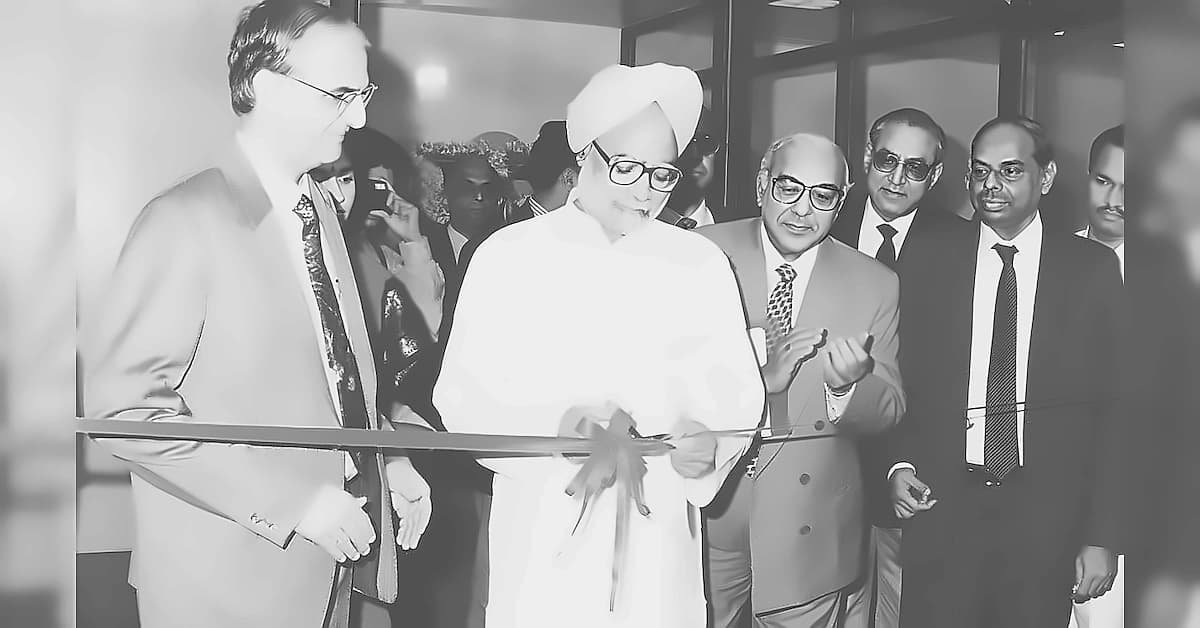
India's capital markets now stand among the world's most sophisticated, combining scale with efficiency and attracting significant global participation. According to Business Standard, Sundararaman Ramamurthy of BSE notes that India has evolved from inefficient trading systems to world-class electronic exchanges with transparent and trusted market ecosystems. The market has become the largest traded market in the world with derivatives taking over a significantly large amount of volume, attracting global players not only in investment banking and research but increasingly in India's asset management space. As reported by UNI, this transformation demonstrates how regulation, technology, and innovation can work in tandem to expand access while building trust and resilience in the financial system. The focus now shifts towards tokenisation and technological evolution, with ANMI positioned to support this transition through its extensive network of over 800 member brokers.