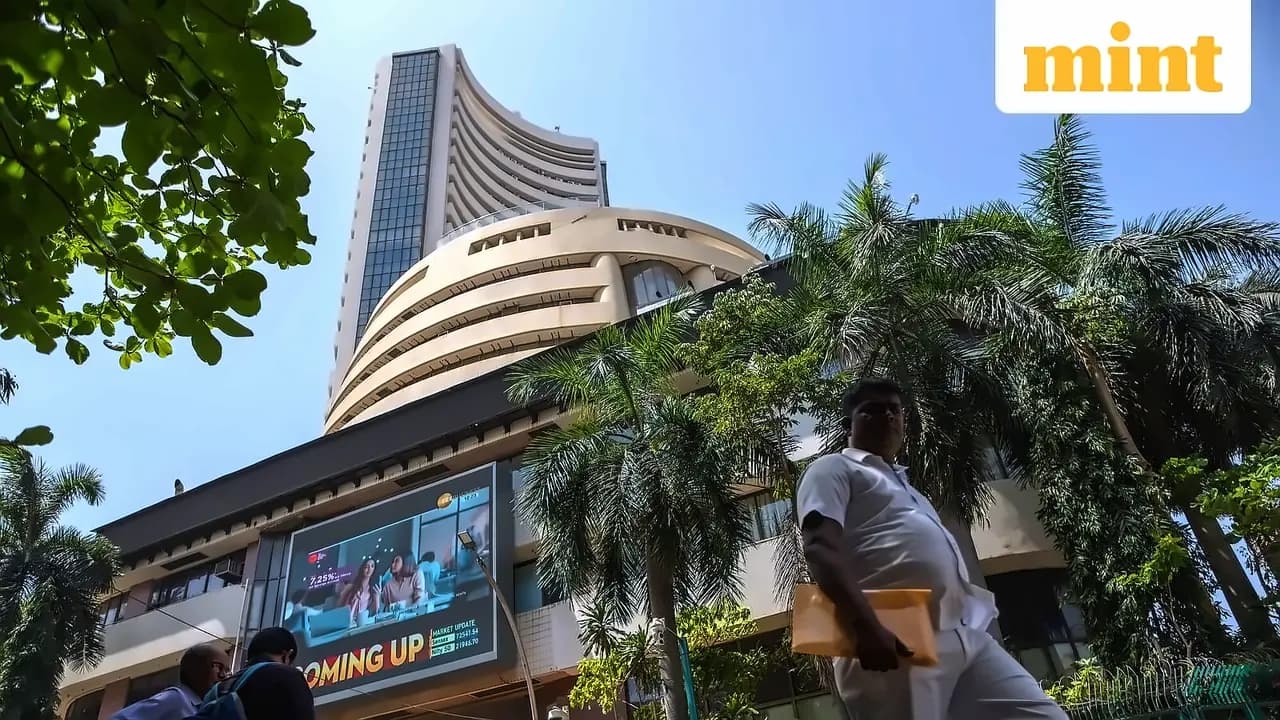
The Indian stock market witnessed a strong recovery during the week, ending their recent losing streak as softer crude oil prices, improving geopolitical developments, robust Q1 FY27 earnings, and fresh buying by foreign institutional investors (FIIs) boosted investor sentiment. According to reports from Hindustan Times, the Nifty climbed 2.59% to end at 24,383.60, while the Sensex rose 2.68% to close at 78,094.64, with both indices posting their second straight monthly gain in July. As per Geojit Investments Limited Head of Research Vinod Nair, the past week offered a glimpse of how quickly market sentiment can shift when key macro variables begin moving in the right direction. The most significant trigger came from the sharp correction in crude oil prices, with Brent crude retreating towards US$80 from above US$95 per barrel, reducing concerns over imported inflation and rising operating costs for Indian businesses.
The Reserve Bank of India's Monetary Policy Committee (MPC) will meet over three days from August 3 to 5, 2026, with the policy decision and Governor's statement set to be announced on August 5. As reported by Hindustan Times, Ajit Mishra from Religare Broking noted that "the coming week is expected to be eventful, with the RBI Monetary Policy Committee (MPC) meeting (August 3–5) emerging as the key domestic trigger." Investors will closely track the RBI's commentary for signals on the future direction of interest rates and liquidity conditions, with SBI Research expecting the central bank to keep policy rates unchanged even as it projects India's GDP growth for the April–June quarter of FY27 to surpass 7%. The easing in oil prices was accompanied by a decline in long-term bond yields, reflecting expectations that major central banks would maintain policy stability, with the U.S. Fed, BoE and BoJ largely staying on the expected path during the week.
The earnings season is all set to continue this week as major marquee companies like Bharti Airtel, Indian Renewable Energy Development Agency, FSN E-Commerce Ventures Nykaa, Oil and Natural Gas Corporation, Life Insurance Corporation of India, State Bank of India, and Delhivery are scheduled to release their April-June quarter (Q1 results 2026) in the coming week. According to reports from Hindustan Times, market participants will closely monitor the ongoing Q1 FY27 earnings season, with management commentary on demand trends, margin outlook, and capital expenditure plans being closely tracked. Early Q1FY27 results have generally been better than market expectations, indicating that the earnings slowdown may be moderating and providing another reason for optimism beyond the favorable macroeconomic conditions.
Domestic indicators have begun turning supportive as the rainfall deficit, which exceeded 40% earlier in the monsoon season, has narrowed to below 15%, easing concerns over agricultural output and food inflation. As reported by Geojit Investments Limited, a better monsoon outlook is particularly important because rural consumption remains a key driver of India's growth, with historical trends suggesting that improving rainfall conditions typically support demand across automobiles, FMCG products and other consumption-linked sectors. The improvement in monsoon conditions has helped investors look beyond near-term global uncertainties and focus on improving business fundamentals, with favorable domestic liquidity conditions supporting the market recovery.
Foreign institutional investors (FIIs) continued their buying streak in Indian equities for the fourth straight session on July 31, with net purchases of ₹277.48 crore. According to provisional exchange data reported by Hindustan Times, domestic institutional investors (DIIs) also remained net buyers, investing ₹2,260.37 crore. During the trading session, DIIs bought equities worth ₹19,885.80 crore and sold shares valued at ₹17,625.43 crore, resulting in a net inflow of ₹2,260.37 crore. FIIs, on the other hand, purchased shares worth ₹19,045.51 crore while offloading equities worth ₹18,768.03 crore, leading to a net investment of ₹277.48 crore. The most important structural development has been the return of FIIs after four consecutive months of selling totaling ₹2.7 lakh crore, with FIIs turning net buyers in July and bringing in roughly ₹17,000 crore of investments. This marks a notable shift in sentiment toward Indian equities after nearly two years of persistent outflows.