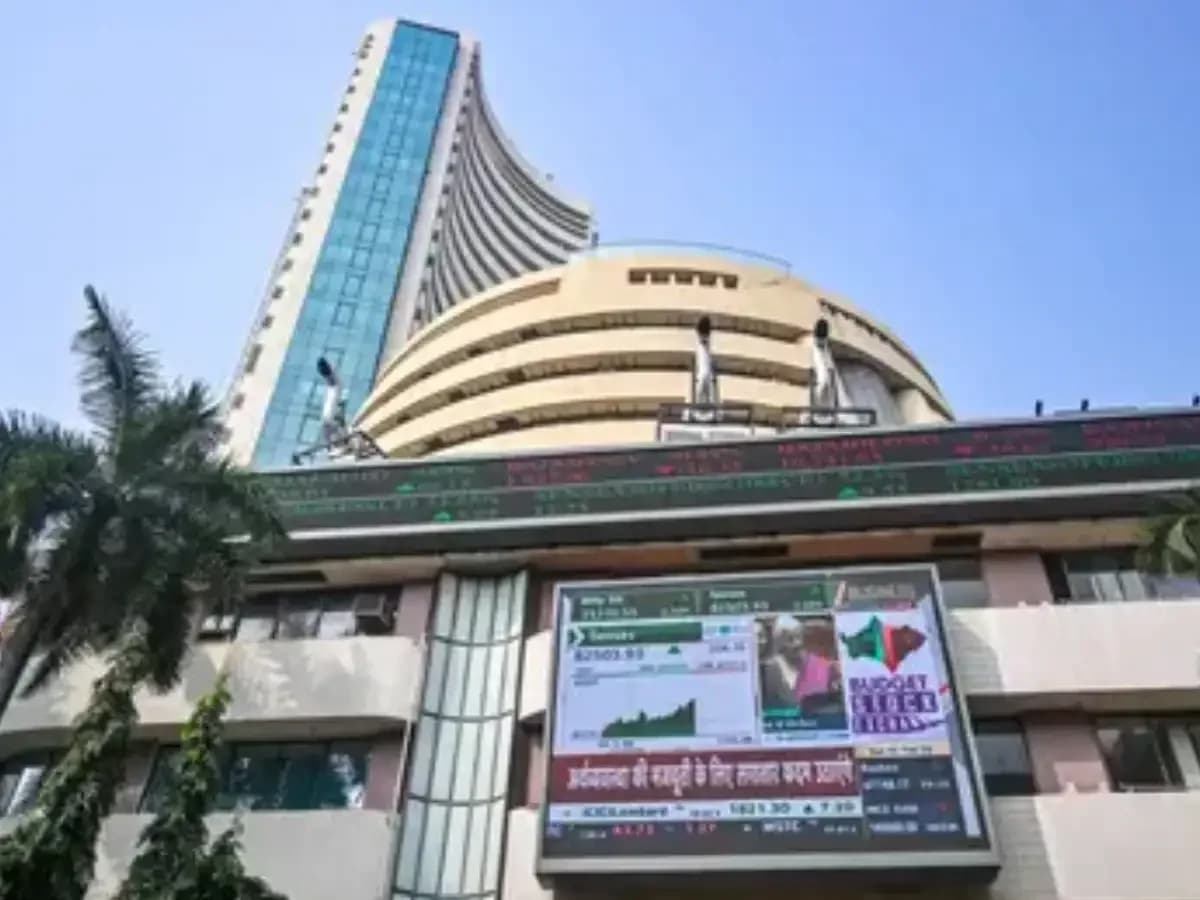
Indian stock markets reversed morning gains to close sharply lower on August 26, with Sensex falling 183 points to close at around 77,473 and Nifty 50 dropping 127 points or more than half a percent to end below 24,208. According to The Economic Times, IT stocks weakened significantly on visa concerns, offsetting gains in banks and metals, leading to the broad-based decline. Broader markets ended mixed, with Nifty Smallcap 100 rising 0.8% while Nifty Midcap slipped into the red. The market reversal came despite earlier positive momentum, with GIFT Nifty trading higher at around 24,534.50 in early trade signaling a favorable opening. Vinod Nair from Geojit Investments noted that sectoral divergence weighed on benchmarks through the session, with inflation concerns receding on tempered US sanctions on Iran, easing domestic bond yields and lifting banking stocks.
Nifty formed a dark cloud cover pattern on the daily timeframe, raising the possibility of a bearish move in the coming days, according to LKP Securities. However, Rupak De, Senior Technical Analyst at LKP Securities, noted that the broader trend remains positive as the index continues to trade within a rising channel. The index found support just above the 50 EMA during today's session. Overall, range-bound trading continues, with sellers emerging at higher levels. The RSI has once again entered a bearish crossover, with a fall below 24,130 could trigger a serious correction, potentially dragging Nifty towards 23,900 and 23,700. Only a sustained move above 24,350 could change the current perception, with rock-solid resistance placed at 24,350. The technical setup contrasts with earlier expectations of a bullish engulfing pattern formation after the index bounced back from the 24,100 support level.
The primary driver of today's market decline was weakness in IT stocks after the US paused visa appointments amid an immigration crackdown which rekindled margin pressure concerns. As per The Economic Times, this offset gains in other sectors including banks and metals. Vinod Nair from Geojit Investments highlighted that these gains were largely offset by IT stock weakness, with the sector facing renewed concerns about visa-related challenges. Investors now await the US Core PCE print for greater clarity on the rate trajectory. A contained core reading would indicate that the recent energy-led inflation spike is transitory, easing rate concerns and supporting flows into emerging markets. The visa concerns have added to existing margin pressure in the IT sector, contributing to the broader market decline.
Market breadth remained weak with 1,967 stocks witnessing advances against 1,548 declines out of 3,645 stocks that traded on NSE. According to The Economic Times, Groww emerged as the most active stock in terms of turnover with ₹3,829 crore, followed by Hindustan Copper at ₹3,087 crore. Vodafone Idea led in volume terms with 47.87 crore traded shares, while Groww also featured prominently with 19.51 crore shares traded. SBFC Finance, Jindal Saw, IDBI Bank, Cyient, Capri Global, Hindustan Zinc and SAIL witnessed strong buying interest from market participants. Jindal Saw, Anthem Biosciences, Divis Labs, Karur Vysya Bank, Piramal Finance, JSW Steel and IPCA Labs hit their 52-week highs, while Groww and Sun TV touched their 52-week lows. Varun Beverages, Groww, Allied Blenders, Jubilant Food, Premier Energies, Tata Communications and Inventurus Knowledge Solutions faced significant selling pressure.

US stocks remained subdued as investors awaited AI bellwether Nvidia's quarterly earnings, while hotter-than-expected inflation bolstered bets on a September interest rate hike. A Commerce Department report showed that annual US inflation increased 3.7% in the 12 months through July, just above the 3.6% expected by analysts. Fed funds futures showed about a 44% chance of a September rate increase, up from roughly 36% just before the data release. In Europe, France's CAC 40 gained 0.4% to 8,472.40 while the German DAX rose 0.2% to 26,304.94, with the pan-European STOXX 600 flat at 656.5. The RBI bulletin continues to provide a supportive backdrop, stating that the Indian economy remains resilient despite global headwinds, supported by strong domestic demand. High-frequency indicators pointed to buoyant economic activity during July, with credit growth remaining robust and agriculture lending expanding.