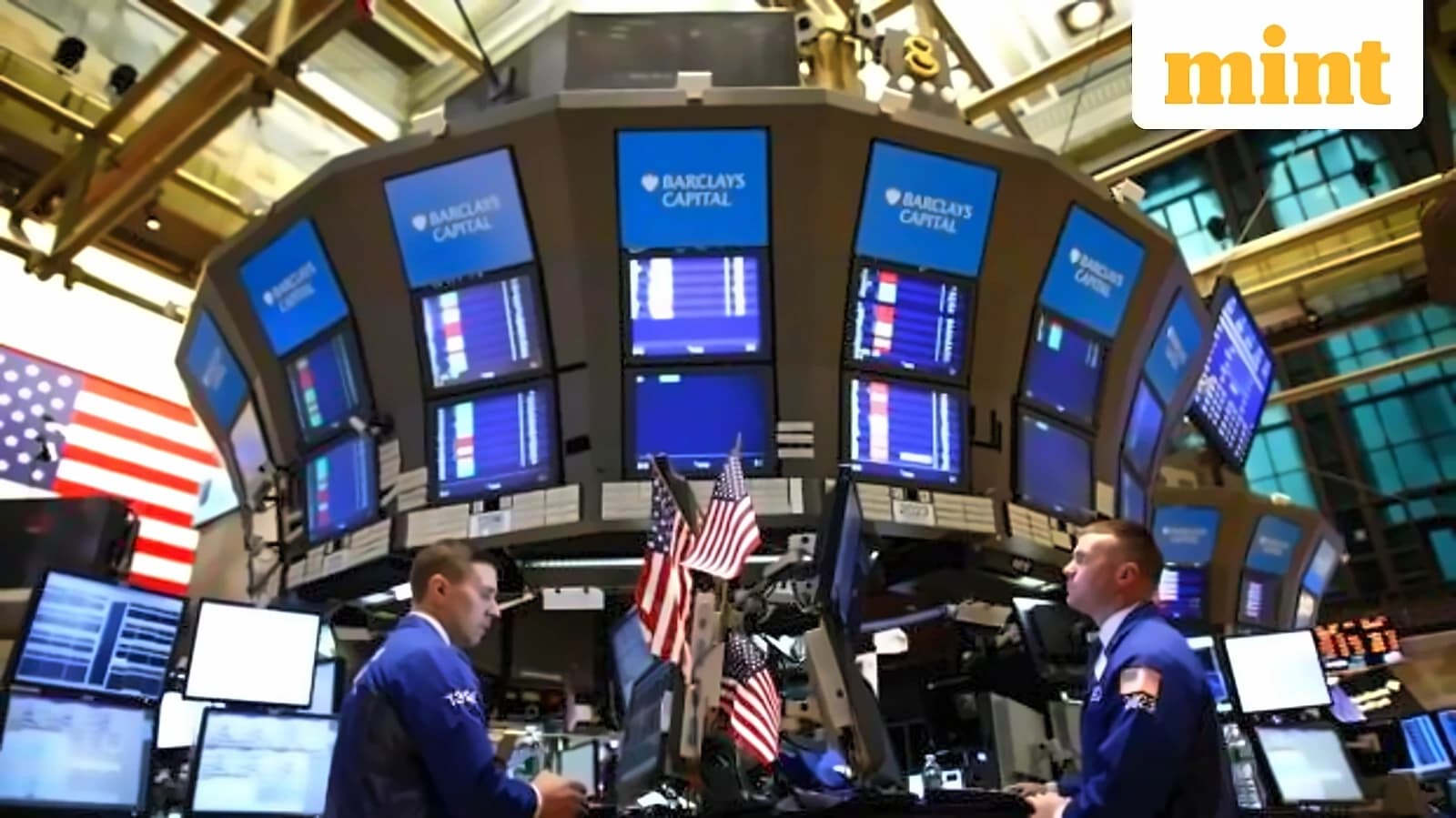
The Indian stock market closed on a muted note on Thursday, with the BSE Sensex gaining just 1 point to end at around 77,187 and the NSE Nifty50 dropping around 6 points to close at nearly 24,073. According to The Economic Times, the benchmark indices remained under pressure throughout the session as investors digested rising uncertainties around the Iran-US conflict. The Sensex had opened sharply lower, falling over 630 points in early trade as investors reacted to a fresh spike in global crude oil prices following renewed military escalation in West Asia. The Nifty50 had also declined 157.40 points to 24,053.60 during afternoon trade before staging a recovery in the final hour. As per latest reports, Nifty held flat at 24,211 despite Rs 3,062 crore FII outflows - DII conviction is carrying the tape.
Eternal was the top loser on Sensex, falling more than 3%, while Bajaj Finserv, Bharat Electronics (BEL) and HDFC Bank shares declined nearly 1% each. However, HCL Technologies, IndiGo and Bajaj Finance shares gained nearly 2% each. According to The Economic Times, sectorally, Nifty Realty and Nifty Financial Services dropped nearly 1% each to lead losses, with Nifty Consumer Durables surging 1.5%. The overall market breadth turned bearish, with NSE seeing 1,776 declines and 1,543 advances, while 112 remained unchanged. The muted performance came even as volatility measure India VIX dropped nearly 3% to close at 12.88, indicating reduced market uncertainty.
Asian markets traded higher, following overnight rally on Wall Street, with Japan's Nikkei 225 rising 0.89% and the Topix gaining 0.53%. South Korea's Kospi jumped 6.75%, while the Kosdaq rallied 5.02%, and Hong Kong Hang Seng index surged 1.31%. The US stock market ended higher on Tuesday, with the Dow Jones Industrial Average rising 10.02 points to 52,508.66, the S&P 500 gaining 28.55 points to 7,543.89, and the Nasdaq Composite closing 233.83 points higher at 26,107.01. US consumer price inflation rose 3.5% year-on-year in June, below market expectations of 3.8%, reinforcing hopes that underlying price pressures are beginning to moderate. As per Ponmudi R, "Asian markets traded with a firmer tone on Wednesday as investors looked ahead to earnings from ASML and Taiwan Semiconductor Manufacturing Company (TSMC), two key barometers of global AI-driven semiconductor demand."
The US and Iran have continued to exchange missile strikes, keeping concerns over regional stability elevated and pushing crude oil prices above $85 per barrel amid fears of prolonged disruptions to global energy supplies. Geopolitical tensions remained elevated after US President Donald Trump reinstated a naval blockade on all Iranian ports and warned of strikes on Iran's power plants and bridges next week if Tehran refuses to return to negotiations. The US military also launched fresh strikes on Iran for a fourth straight day. In response, Iran said it had once again shut the Strait of Hormuz following the renewed hostilities. The unresolved Strait of Hormuz standoff and elevated crude oil prices continue to pose risks to the global economic outlook, despite broader sentiment remaining cautiously optimistic. Brent crude futures rose $1.68, or 2%, to $84.98 a barrel, while US West Texas Intermediate (WTI) crude gained $1.65, or 2.1%, to $79.79 a barrel in early trade. As per The Times of India, Brent had already surged 9.6% in the previous session, marking its biggest single-day gain since May 2020.
The rupee weakened past the 96-per-US dollar mark for the first time since late May, falling 30 paise to close at 95.68 against the US dollar, raising concerns over inflation and imported costs. According to The Times of India, the rupee had weakened 30 paise to close at 95.68 against the US dollar, with persistent demand for the greenback and elevated crude oil prices weighing on the domestic currency. The 24,000 level remains the immediate support to watch for the Nifty 50 index, and a sustained break below this could extend the decline towards the 23,800 – 23,900 zone. While easing US inflation and encouraging corporate earnings have improved global risk appetite, elevated crude oil prices and continuing geopolitical tensions in the Middle East are likely to keep investors cautious, with market direction continuing to be driven by developments surrounding the Strait of Hormuz, movements in crude oil prices, and the ongoing earnings season. The second-quarter earnings season began on a strong footing, with JPMorgan Chase, Bank of America, Goldman Sachs, Citigroup, and Wells Fargo reporting better-than-expected results, as per Ponmudi R.