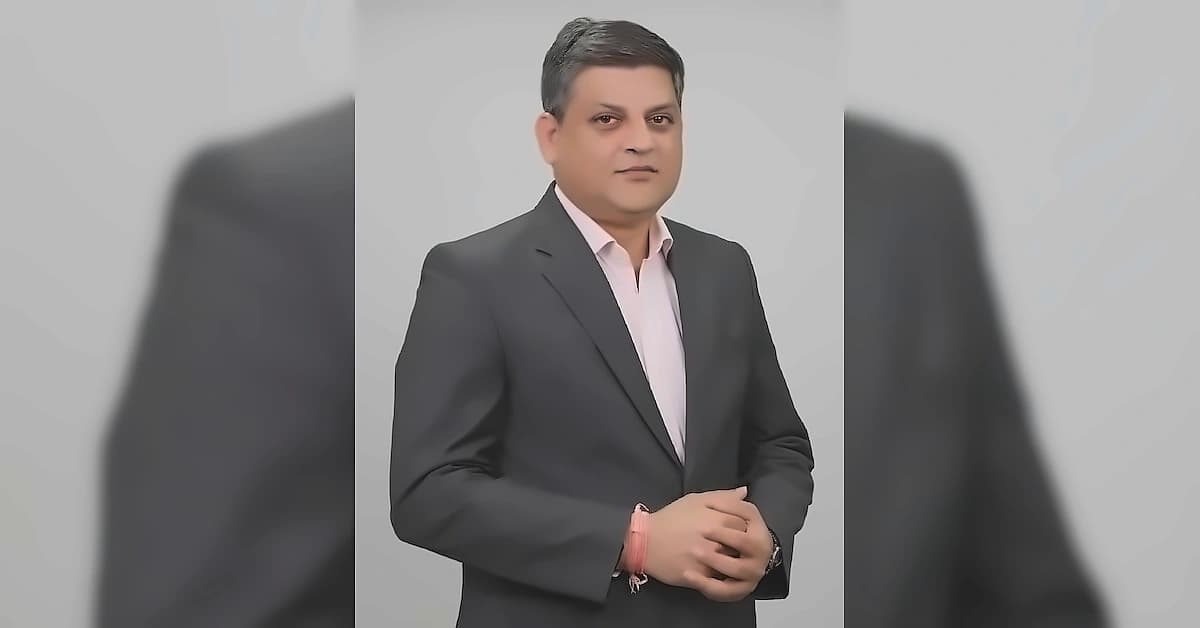
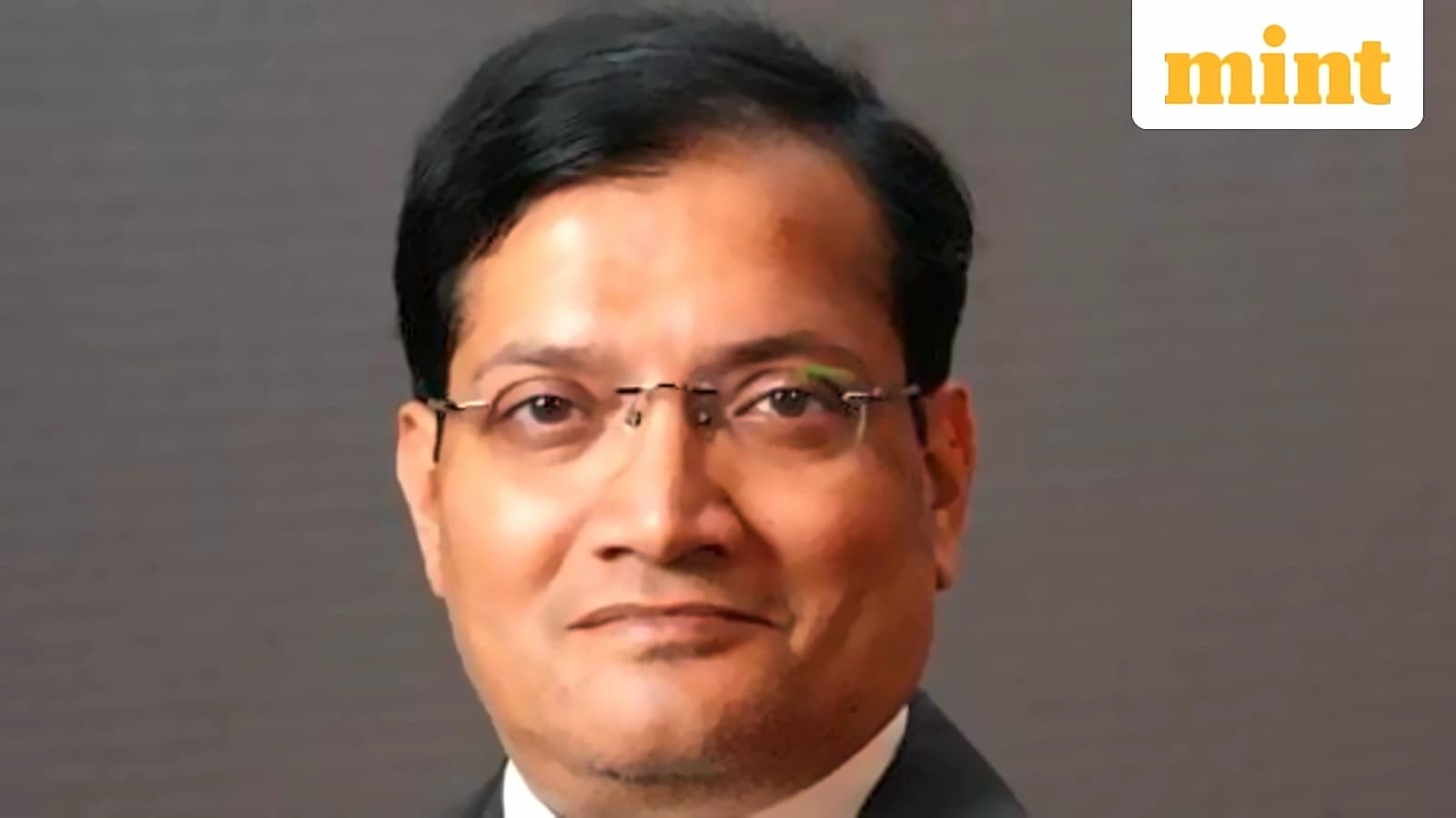
According to CNBC TV18, Manishi Raychaudhuri, Chief Executive Officer at Emmer Capital Partners, highlighted that India may see another year of single-digit earnings growth, keeping foreign investors cautious. The consensus Nifty 50 earnings growth for 2026-27 (FY27) has fallen to around 9.3% from expectations of 15-16% six to nine months ago. Raychaudhuri emphasized that "Number one earnings, number two earnings, number three earnings. That is, unfortunately, the biggest disappointment for India right now," as reported by CNBC TV18. He noted that "It looks like fiscal 2027 would also be a single-digit earnings growth year," following the same pattern seen in fiscal 2026.
As reported by CNBC TV18, Raychaudhuri highlighted that foreign investors are finding better opportunities in markets like Korea, Taiwan and Hong Kong, where earnings upgrades remain stronger. He explained that "They're not selling India without a reason," adding that "They're not finding large frontline stocks where they can make money and where there's a positive earnings framework supporting the valuations." The CEO contrasted India's position with North Asian peers, noting that earnings estimate upgrades are happening across sectors in Korea and Taiwan — not just in technology — as gains from artificial intelligence investment percolate into household incomes and broader consumption.
According to CNBC TV18, Raychaudhuri flagged India's balance of payments as an underappreciated risk. He noted that net foreign direct investment (FDI) has been close to zero and possibly negative this year, meaning the current account deficit (CAD) is no longer being offset by stable long-term inflows. For foreign institutional investors, a weak rupee directly erodes dollar-denominated returns, compounding the drag from weak earnings. He stated that "These are the issues that need to be sorted out before we have a degree of enthusiasm on the part of foreign institutions about investing in India."
As reported by CNBC TV18, within India, Raychaudhuri's model portfolio maintains a neutral stance with India weight at approximately 14-14.5% — in line with India's share in the MSCI Asia ex-Japan index. His largest overweights are Korea, Taiwan, and Hong Kong-China. He highlighted three sectors from the Indian equities for a one-to-three-year horizon: private sector banks, industrials, and consumer discretionary. He also flagged base metals — particularly steel and zinc — as the only segments currently seeing earnings upgrades at still-reasonable valuations. For consumer discretionary, he noted that consumer spending accounts for roughly 60% of the Indian economy, and the space includes diagnostic chains, food delivery platforms, and e-commerce companies.
According to CNBC TV18, Raychaudhuri pointed to reconstruction demand from West Asia as a longer-term catalyst for industrials, where Indian engineering and infrastructure companies have established expertise. His advice to Indian investors was pointed: "The best strategy is to diversify a significant chunk of their portfolio outside India, particularly into Asian emerging markets." He emphasized that private banks, industrials, consumer discretionary and base metals remain key sectors to watch in India over the long term, despite current challenges with earnings growth and foreign investment sentiment.