The government has demonstrated remarkable progress in its divestment programme for FY27, raising ₹557.6 crore from PSU stake sales in just over five months. According to reports from Business Standard, this performance represents 70% of the government's ₹80,000 crore annual target, marking a significant departure from previous years' trends. The government has already launched nine OFSes this fiscal, including major stake sales in Coal India, NHPC, LIC, IRFC and Hindustan Copper. As per Equinomics Research founder G Chokkalingam, the divestment has been quite aggressive compared to past years, mainly due to a rally in large midcap stocks, with the Nifty Midcap 100 index hitting an all-time high last month.

The proceeds from the sale of a 6.5% stake in LIC, worth ₹31,500 crore, form 39% of the budgeted target for the current fiscal, as reported by JM Financial. This substantial contribution highlights the strategic importance of large-scale PSU divestments in meeting the annual disinvestment goals. The government's renewed push for divestment has been attributed to a rally in large midcap stocks, with the Nifty Midcap 100 index hitting an all-time high last month. Analysts believe the government may exceed its disinvestment target by ₹10,000-30,000 crore amid the OFS push.
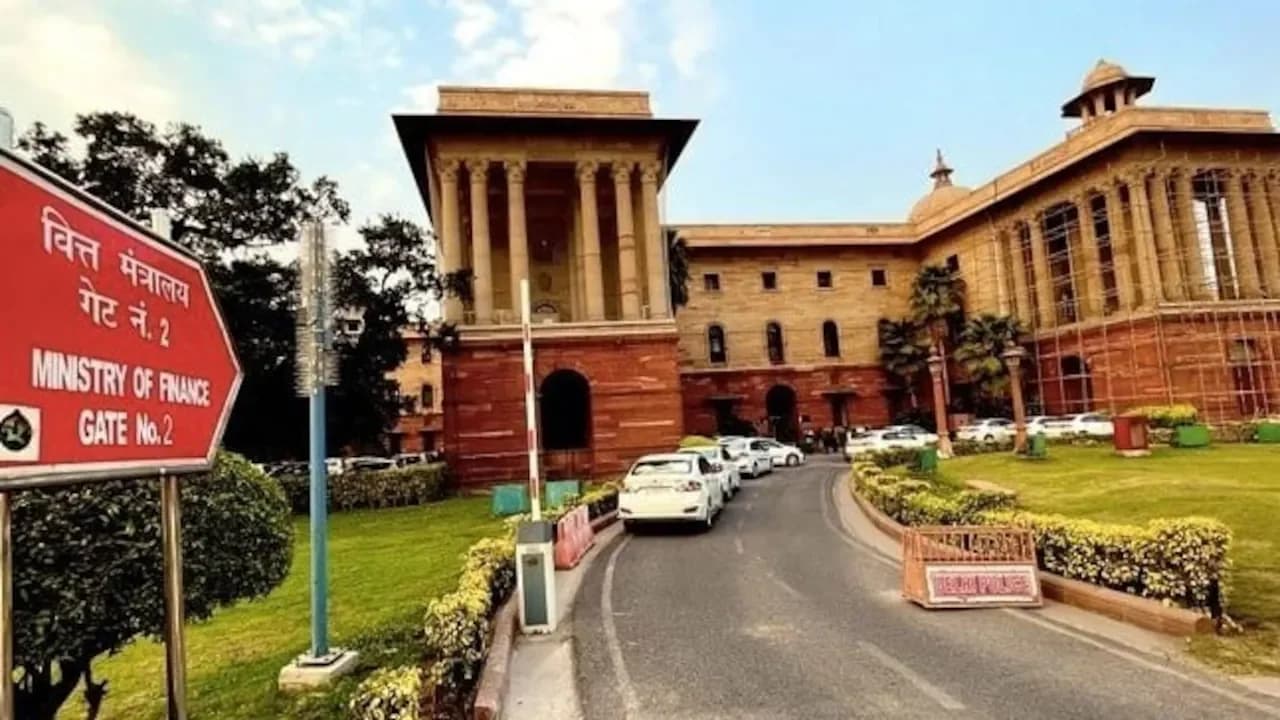
According to JM Financial analysis reported by Business Standard, IDBI Bank's stake sale could potentially exceed the annual disinvestment target. The government currently holds a 45.48% stake in IDBI Bank, with LIC owning an additional 30.24%. If the proposed sale proceeds, it could generate ₹28,900 crore, representing 36% of the budgeted disinvestment target for FY27. According to a Bloomberg report, Canadian billionaire Prem Watsa-led Fairfax could purchase a majority stake in IDBI Bank, with a September 7 report indicating Fairfax is weighing selling its entire holding in IIFL Finance to comply with regulatory guidelines to acquire IDBI Bank.
Media reports indicate that 58% of the budgeted allocation for fertiliser subsidy (₹1.71 trillion) has already been utilised during April-August 2026, with expectations of budgeted estimates being exceeded by ₹50,000-70,000 crore. The government's strategy leverages the market opportunity as many PSUs are larger midcap companies, with higher crude oil prices and fertiliser subsidies expected to continue supporting the divestment programme. As per Equinomics Research, the government is using a smart strategy to utilise the market opportunity, as many of the PSUs are larger midcap companies, and the government's push will continue amid higher crude oil prices and higher fertiliser subsidies.
According to JM Financial analysis reported by Business Standard, disinvestment proceeds represent only 1.5% of revenue and 4.5% of capital receipts in the government's overall finances. However, RBI's dividend, which accounts for 5.4% of revenue, has historically acted as a cushion and capex shock absorber in government finances. The brokerage expects the renewed enthusiasm in the government's disinvestment programme to be maintained in future years, providing a stable revenue stream for fiscal management.