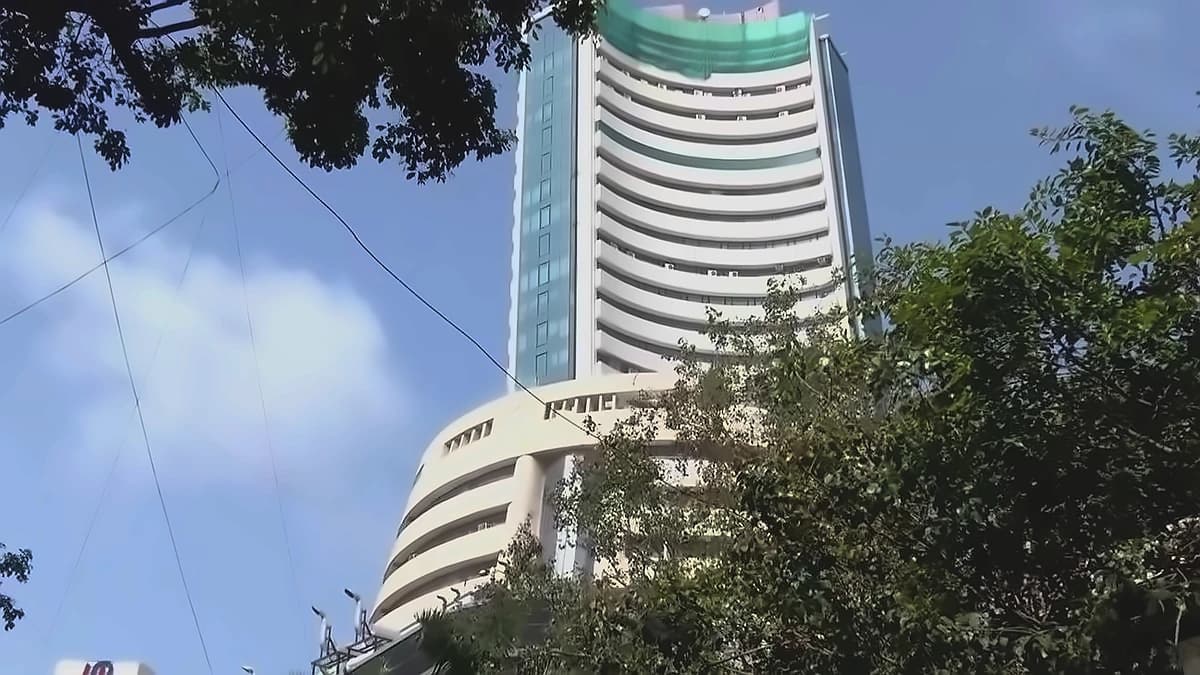
GIFT Nifty June 2026 futures traded at 23,050 level, down 130 points from the previous close, indicating a negative start for Indian stock market indices. According to Moneycontrol, the decline comes after the latest attacks by the US on Iran sent crude oil prices higher, denting investor sentiment. The latest data shows GIFT Nifty trading at 23,050 level, indicating a gap-down start for Indian markets. The decline came after reports that the United States launched new wave of attacks against Iran, with Tehran hitting back saying it will target any ship going through the Strait of Hormuz. Iranian media reported explosions across the country's south near the Strait of Hormuz, the same area where US forces had already bombarded air defense, radar and other sites on Tuesday. Oil prices climbed more than $2 a barrel Thursday as Iran declared the critical energy chokepoint, the Strait of Hormuz, closed after the US launched additional strikes against Iran, with Brent crude climbing more than 2% to around $95.40 a barrel and US West Texas Intermediate (WTI) crude rising nearly 3% to $92.63.
Benchmark indices Sensex and Nifty 50 are expected to open on a cautious note on Thursday, following weakness in global markets, as renewed US-Iran tensions weighed on risk-appetite. According to Moneycontrol, on Wednesday, the Indian stock market ended largely flat, with the Sensex rising 64 points while the Nifty slipped 27 points, with gains in FMCG and private banking stocks offset by broader weakness across sectors. Asian markets traded sharply lower on Thursday, with MSCI's Asia-Pacific index outside Japan falling 0.9%, led by a 3% decline in South Korea's KOSPI, while S&P 500 futures also traded in the red. Wall Street witnessed a broad selloff overnight, with the Dow Jones falling 1.9%, the S&P 500 losing 1.6% and the Nasdaq declining nearly 2% as investors reacted to renewed Middle East tensions, higher oil prices and hotter-than-expected US inflation data. Ajit Mishra from Religare Broking said that lingering geopolitical tensions and persistent foreign fund outflows are keeping market participants cautious, and a meaningful relief rally may remain elusive in the near term.
On the technical front, buying interest is visible around the 23,000–23,100 zone, whereas overhead resistance is emerging from the declining short-term moving averages, hence a range-bound approach is preferred over a directional view. As per Moneycontrol, Ponmudi R from Enrich Money noted that the Nifty faces immediate resistance in the 23,400-23,450 zone, with a sustained breakout above this range potentially opening the door to 23,550 and eventually 23,800 levels. On the downside, the 23,100-23,000 zone remains a crucial support area, with a break below it potentially exposing the index to 22,800-22,700 levels. For Bank Nifty, immediate resistance is seen in the 55,300-55,500 range, while 55,000-54,800 remains the key support zone. India VIX rose 0.4% to settle at 15.63 levels, reflecting increased market fear, with analysts noting that a sustained move above the 18 mark could further elevate market uncertainty and keep volatility high in the coming sessions.
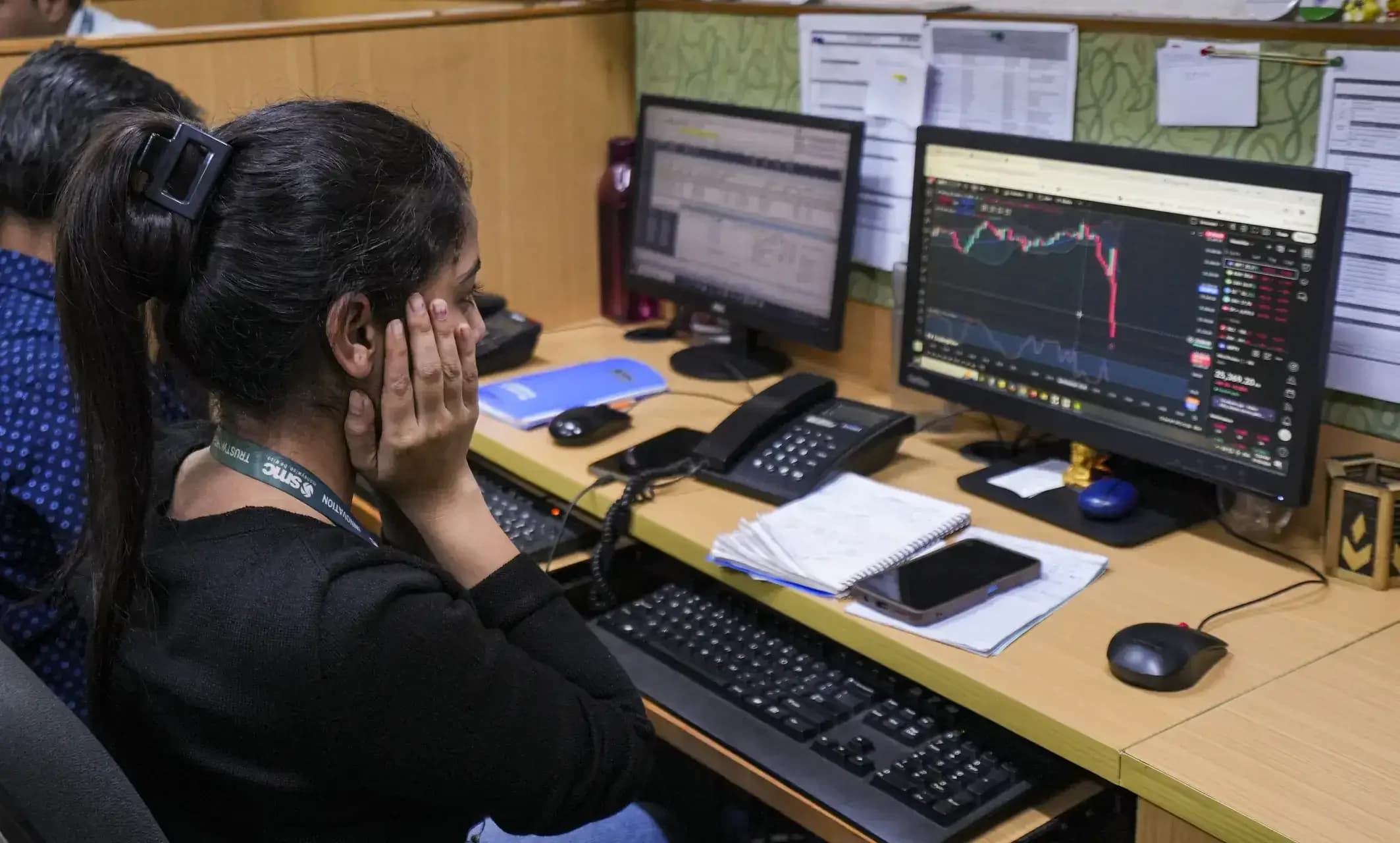
Foreign institutional investors remained net sellers on June 10, offloading equities worth ₹2,124 crore, while domestic institutional investors continued to provide support, purchasing shares worth ₹3,123 crore, according to Moneycontrol. The FIIs have sold shares worth ₹36,670.14 crore so far in June (till June 8), following their cash sales of ₹55,963.33 crore in May, ₹70,135.46 crore in April and ₹122,540.41 crore in March. The rupee appreciated 14 paise to close at 95.27 against the American currency on Wednesday, amid likely intervention from the Reserve Bank of India (RBI) to curb excessive volatility and prevent a further slide in the domestic unit. Crude oil prices remain elevated despite recent moderation, keeping concerns over inflation and import costs alive, as per Ponmudi R from Enrich Money.
Indian government bonds were trading with a negative tilt in early deals on Monday, as fresh escalations in the U.S.-Iran war pushed up oil prices, derailing optimism after a supportive central bank policy decision. The yield on the benchmark 6.48% 2035 note was at 6.9758% as of 10:30 a.m. IST, after closing at 6.9772% on Friday after the policy decision. On Friday, yields had declined 2-3 basis points at the long end, and above 10 basis points at the shorter end. India imports around 90% of its crude requirements, and elevated oil prices impact inflation as well as the current account deficit. US consumer inflation increased at its fastest pace in three years in May, with the Consumer Price Index rising 4.2% in the 12 months through May, the largest gain since April 2023. US Treasury yields rose after inflation remained higher, with the yield on benchmark US 10-year notes rising 2 bps to 4.548%, while Japanese government bond yields also climbed on inflation concerns, with the benchmark 10-year JGB yield rising 1 bp to 2.690%.