Despite massive foreign institutional investor outflows of over ₹1 lakh crore during Q4, selective pockets of the Indian market continued to attract strong inflows. According to The Economic Times, FIIs raised their stake by more than 2% in at least 10 stocks, signaling high-conviction in specific names despite a broader risk-off environment. This strategic approach comes against the backdrop of sustained outflows triggered by rising US bond yields, a weakening rupee, and elevated crude oil prices following the Iran conflict.

Among the biggest beneficiaries was Vishal Mega Mart, where FII holding jumped sharply by 6.48% to 22%. As reported by The Economic Times, this move suggests continued confidence in value retail, a segment that has shown resilience even during consumption slowdowns. Home First Finance also saw notable increases with FII stake rising 4.9% to 45.72%, reflecting sustained interest in the affordable housing finance segment. Max Financial Services saw FII ownership increase by 2.75% to 47.88%, highlighting sustained interest in financialisation themes and insurance penetration in India.
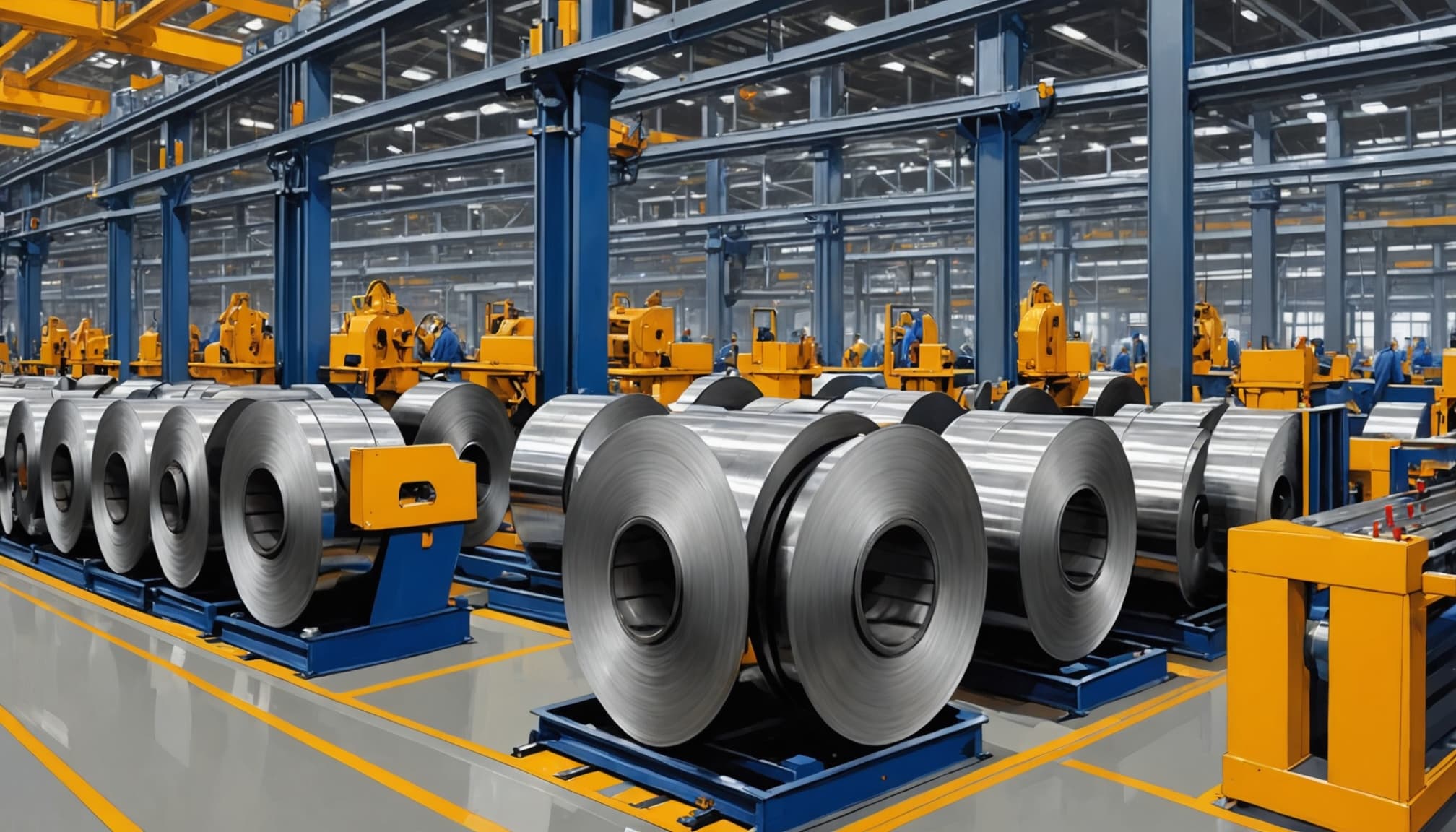
The manufacturing sector attracted significant attention with APL Apollo Tubes witnessing a 4.4 percentage point increase in FII holding to 37.5%, indicating confidence in infrastructure-linked plays and structural demand in steel tubes. Clean Science and Technology saw FII stake rise by 3.37% to 13.38%, highlighting continued interest in specialty chemicals, a sector that benefits from global supply chain diversification. UPL also attracted inflows with FII holding increasing by 2.94% to 41.78%, even as the agrochemical sector faces cyclical challenges.
Other stocks where FIIs raised stakes include Acutas Chemicals (up 2.81%), The Great Eastern Shipping Company (up 2.74%), Indian Energy Exchange (up 2.74%), and Tata Elxsi (up 2.51%). According to The Economic Times, analysts say the spread of investments across sectors indicates a diversified approach rather than a concentrated sectoral bet. Shipping companies like Great Eastern are likely benefiting from domestic manufacturing themes, while IEX remains a proxy play on India's evolving power markets.
The divergence between broader FII outflows and selective stock-level inflows reflects a shift from passive allocation to active stock picking. As reported by The Economic Times, with India losing relative attractiveness to markets like South Korea and Taiwan on earnings growth expectations, foreign investors appear to be reallocating rather than exiting entirely. VK Vijayakumar, Chief Investment Strategist at Geojit Investments, noted that the trajectory of foreign flows will hinge on developments in West Asia and oil prices, with meaningful peace potentially stabilising India's macro conditions.