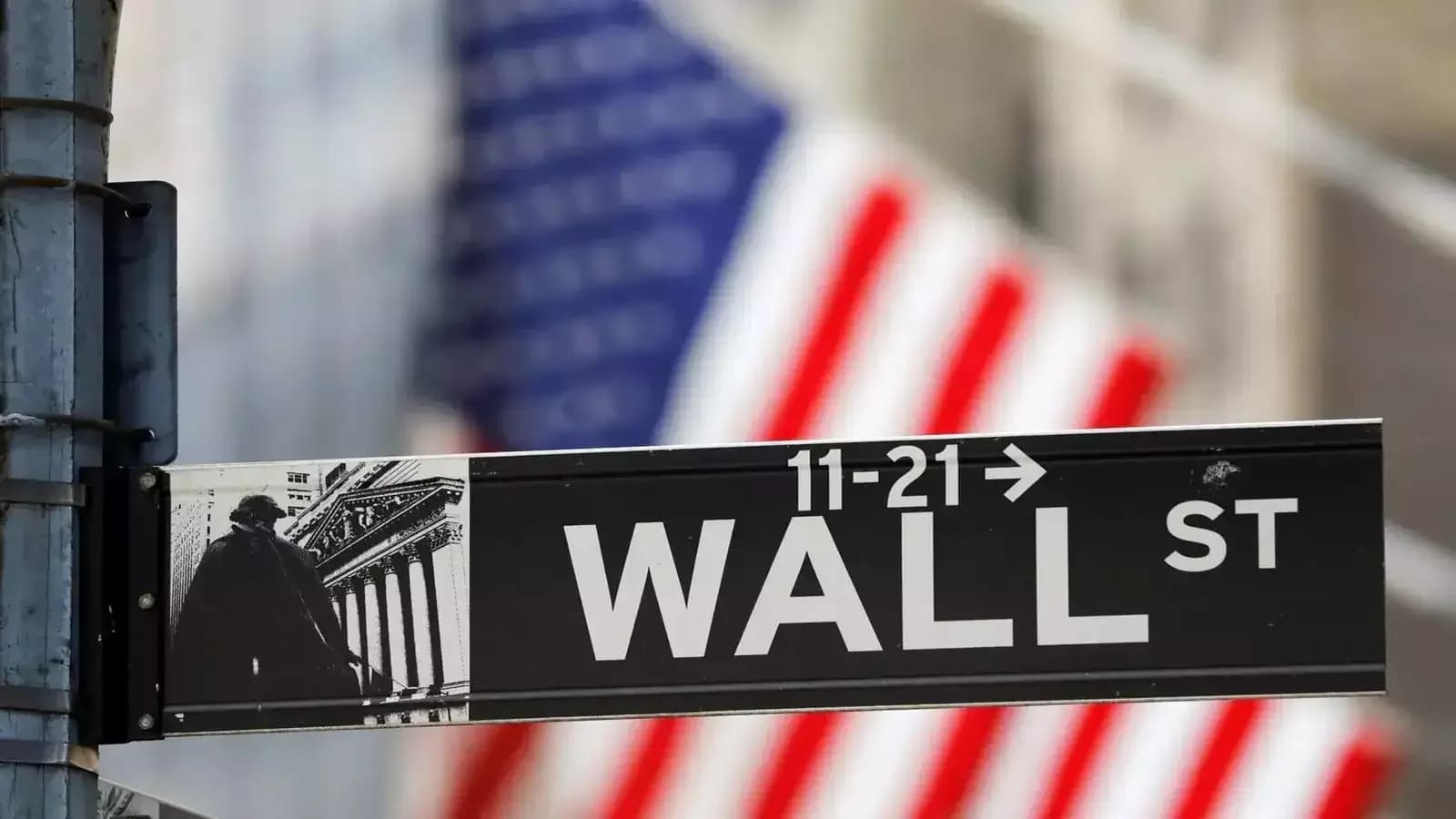
Global markets experienced significant turmoil on Friday as oil prices jumped 4.2% to $105.42 per barrel and Brent crude rose 3.66% to $109.58 per barrel, bringing weekly gains to over 10% for both benchmarks. The selloff was accompanied by a dramatic surge in bond yields, with the 10-year Treasury note's yield jumping 14 basis points to 4.6% - its highest level since February 2025 - and the 30-year U.S. Treasury bond yield reaching 5.12% - the highest since 2007. According to Bloomberg, this week saw yields jump the most since tariffs roiled global markets in early 2025. The S&P 500 slid 1.2%, Nasdaq Composite fell 1.5%, and Dow Jones tumbled 537 points or 1% during the session. The U.S. stock market fell from its records Friday and joined a worldwide drop for stocks after higher oil prices sent a shiver through the bond market.
Technology stocks tumbled in a sharp turnaround from their meteoric rises for much of the year, which had carried markets worldwide to records but also raised criticism that they had gone too far. Nvidia, the stock that quickly became the face of the AI revolution, dropped 4.4% and was the heaviest weight on the S&P 500, having come into the day with a gain of more than 26% for the year so far. Micron Technology was another one of the heaviest weights on the market after falling 6.6%, though it's still up nearly 154% for the year so far. "To us, it looks like markets have pushed into overbought territory," according to Brian Jacobsen, chief economic strategist at Annex Wealth Management. He said the strong corporate profits and durable U.S. economy that launched U.S. stocks to records remain intact, but "the path is unlikely to be smooth. Periods like this call for discipline more than hope."
European stocks experienced their largest decline since March, with the Stoxx 600 falling 1.5% as reported by Bloomberg. Rate-sensitive sectors including banks, utilities, and real estate experienced broad-based weakness during the decline, as reported by Bloomberg. The pullback in metals, affecting gold to copper prices, led to lower performance for mining companies after a strong previous week. However, energy stocks emerged as the sole bright spot during the session, benefiting from the surge in oil prices. Healthcare and consumer staples sectors outperformed as investors sought out defensive plays amid the market volatility. In stock markets abroad, indexes fell by more than 1.5% across much of Europe and Asia, with South Korea's Kospi dropping 6.1% for one of the biggest moves.

Brent crude rose above $109 per barrel following President Donald Trump's statement to Fox News that the US doesn't need the Strait of Hormuz open, according to Bloomberg. Markets were also disappointed that Trump's summit with Chinese leader Xi Jinping failed to yield any commitment from Beijing toward ending the Iran war. The war with Iran is continuing, and the Strait of Hormuz remains shut to oil tankers, which is preventing them from delivering crude to customers worldwide and driving up oil's price. This geopolitical uncertainty has created additional pressure on energy markets and contributed to the broader market decline. Average unleaded gas prices held steadily above $4.50 per gallon, up 51% since the Iran war started, as reported by Mortgage News Daily. Trump reported that China agreed to buy US oil, which could threaten the structural forces, the decline in China's oil imports and the increase in US oil exports, that are propping up oil price stability during the war.
Government bonds around the world sold off sharply as the oil price surge drove inflation fears, with the 10-year Treasury yield climbing 14 basis points to 4.6% - its highest level since February 2025 - and the 30-year Treasury yield reaching 5.12% - the highest since 2007. The 10-year Treasury yield jumped 14 basis points to 4.6% while 30-year yields was up 11 basis points to 5.12%, its highest level in a year. Bond yields are higher globally, with Japan and UK yields also hitting multi-year highs. The Treasury sell-off comes just after Trump's Federal Reserve chair pick, Kevin Warsh was confirmed by the Senate. Consumer and producer inflation data earlier in the week dented the outlook for the Fed's to cut rates, even as Warsh is expected to be more dovish than outgoing chair Jerome Powell. The market has priced out rate cuts in 2026, a major shift from the two to three cuts expected at the beginning of the year, with investors expecting rates to remain unchanged by year end.