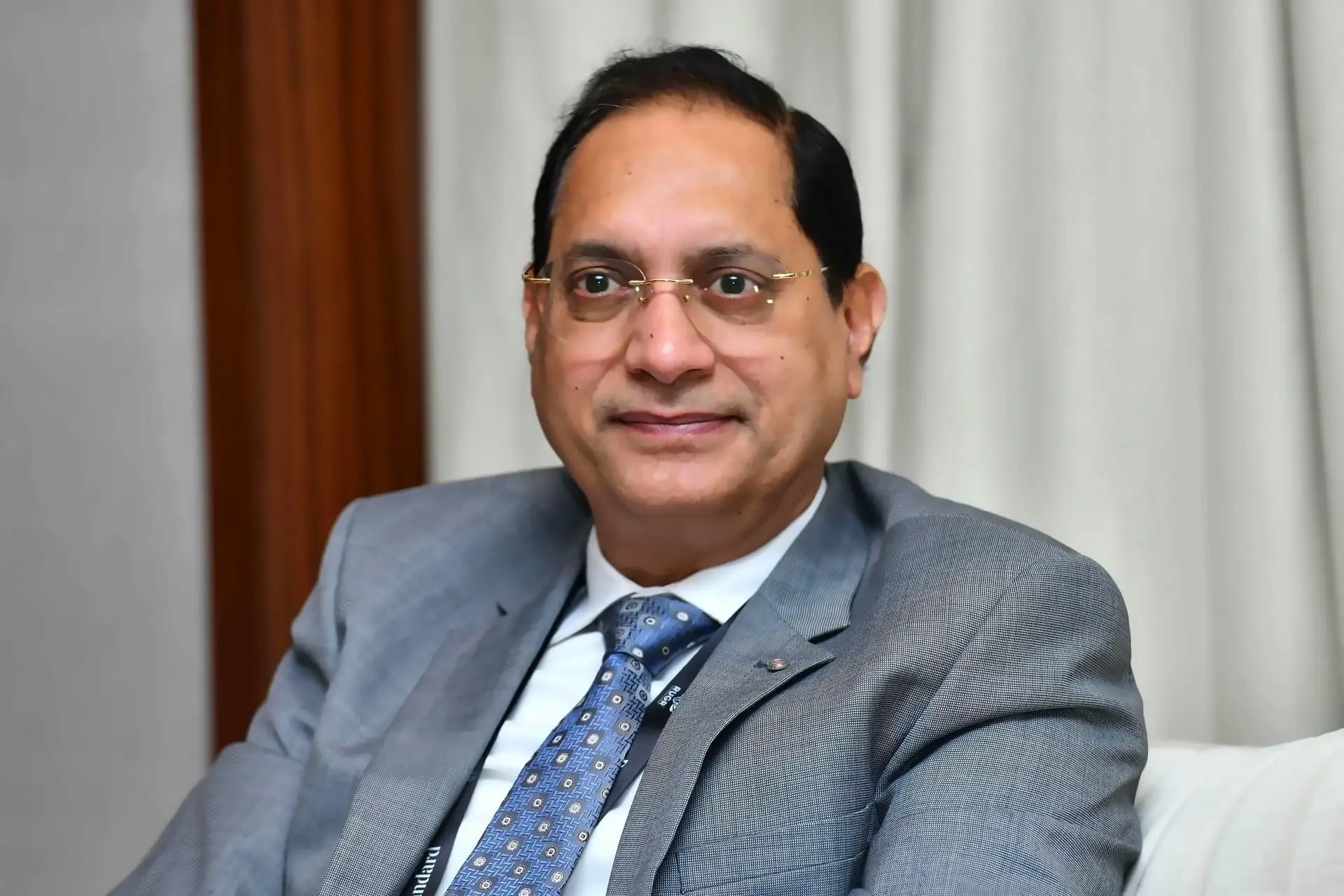
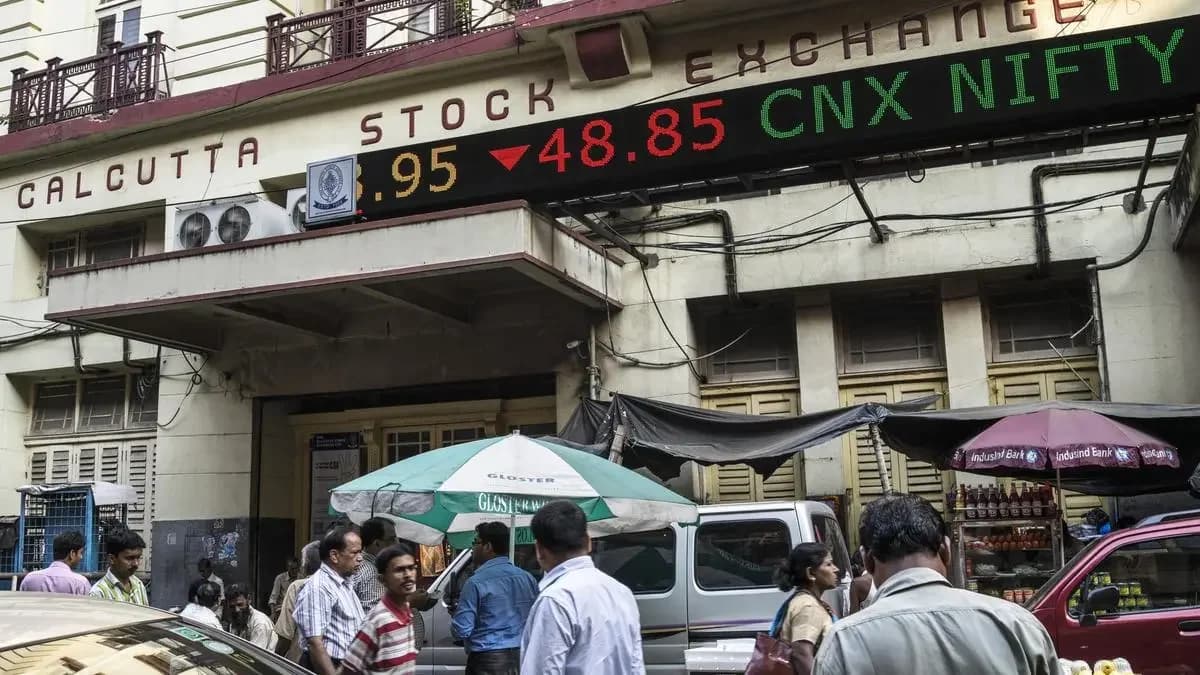
The Bharatiya Janata Party-led government has proposed reviving the 118-year-old Calcutta Stock Exchange (CSE) on Lyons Range, as reported by The Hindu BusinessLine. West Bengal Finance Minister Swapan Dasgupta announced in his Budget speech that the CSE is on the verge of closure due to multiple hurdles, with the State government committed to supporting its revival to reclaim Kolkata's position as a financial hub. The revival proposal includes listing profitable State-owned enterprises (PSUs) on the CSE to unlock corporate value and boost State revenues. According to the latest reports, the revival would have multifarious advantages, including easier access to capital for Eastern India, lower costs of listing and trading and creating new jobs, as stated by the Minister during his Budget presentation.
Trading on the CSE was suspended in April 2013 following regulatory non-compliance, with the exchange failing to establish or tie up with a clearing corporation, according to reports from The Hindu BusinessLine. CSE members continued trading directly on the National Stock Exchange (NSE) platform until 2024, when this service was discontinued. The exchange currently faces a credibility deficit, with SEBI identifying 145 of the CSE's 331 listed companies — nearly 45% — as shell companies in 2017. Such entities typically have little or no genuine business activity and are often used for money laundering, tax evasion and concealing beneficial ownership.
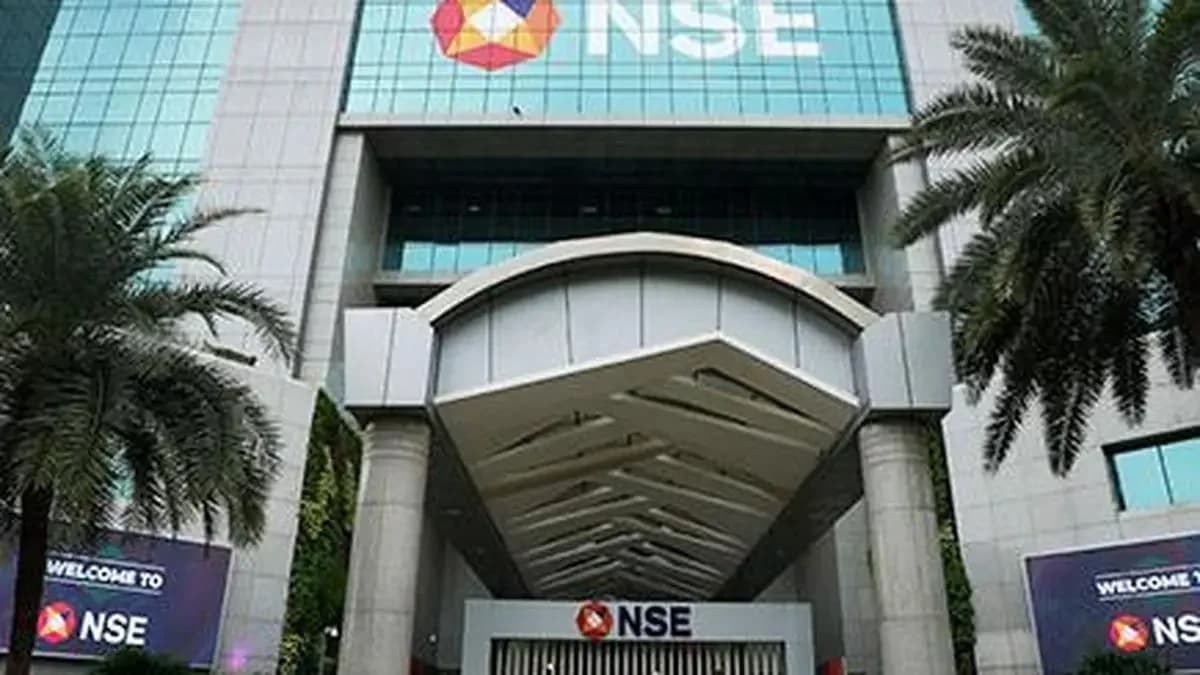
The revival faces significant competitive disadvantages against established exchanges, as reported by The Hindu BusinessLine. CSE members remain enthusiastic about reviving the exchange, but bringing it back to life will be an uphill battle requiring broad stakeholder support. The exchange would struggle against the NSE and BSE's superior infrastructure, including trading platforms, clearing corporations, depository services, and market surveillance systems. Even with infrastructure upgrades, the CSE's relatively lower liquidity would translate into higher impact costs, reducing trading efficiency and investor returns. The challenges are evident from the experience of Metropolitan Stock Exchange of India Ltd (MSEI), which, despite backing from banks and marquee investors such as Groww and Zerodha's Rainmatter Investments, continues to struggle for market share.
While there have been suggestions that the CSE should focus on attracting small and medium enterprises (SMEs) from East India, as reported by The Hindu BusinessLine, this approach faces significant risks. Following series of scams on NSE and BSE SME platforms, particularly involving fund siphoning by promoters, SME focus can prove quite risky. The exchange also needs a significant image makeover to restore investor confidence and market relevance, with companies seeking capital likely to favour larger exchanges due to their wider investor base, deeper liquidity, and more advanced market ecosystem. Recently, NCDEX received regulatory approval to launch equity and derivatives products and plans to begin with mutual fund offerings before expanding further.
According to The Hindu BusinessLine, government backing alone will not be sufficient to revive the CSE. The road ahead remains challenging, requiring sustained regulatory reforms, strategic direction, and broad-based market participation. While healthy and efficient markets require robust competition, given current market dynamics, this exercise is likely to prove futile. The successful turnaround will depend on addressing the exchange's credibility issues and building the necessary infrastructure and market participation to compete effectively with established exchanges. An exchange cannot survive without broad stakeholder support, and winning over traders will be particularly difficult given the superior infrastructure advantages of existing platforms.