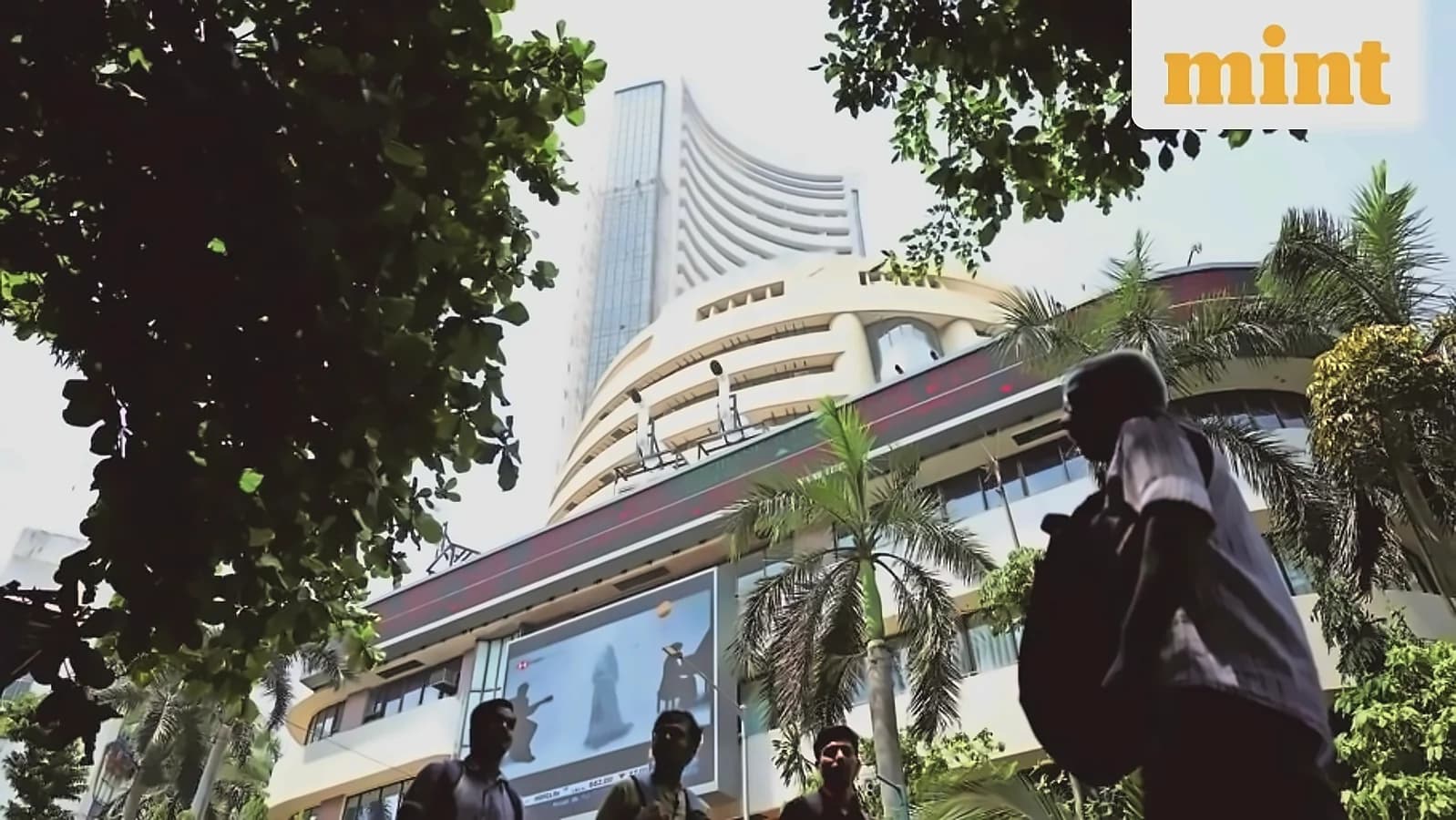


India's equity market is experiencing a significant structural shift as traditional conglomerates lose their dominant market position. According to a Mint analysis of 10 leading business groups by market capitalization, their combined share in India's total market value has steadily declined from 31.4% in FY22 to 25.3% in FY25 and further to 24% in FY26. The share has slipped marginally to 23.94% in FY27 following the West Asia war-induced selloff, as reported by ACE Equity data.
The top 10 conglomerates currently hold a combined market capitalization of ₹107.5 trillion, representing a significant portion of India's total listed market value. This compares to ₹449.1 trillion for all shares listed on the BSE as of 13 April, highlighting the concentration of wealth among these established business groups despite their declining market share relative to the overall economy.
Despite losing market share, the conglomerates have demonstrated strong absolute performance. As reported by Mint, while the Sensex's market capitalization rose about 7%, the top 10 conglomerates together have grown faster at around 9% so far this fiscal year that started on 1 April. This performance gap indicates that while their relative market share declines, these large business groups continue to generate substantial returns for investors.
The structural shift reflects a broader trend of market leadership expanding beyond traditional heavyweight conglomerates. According to the analysis, while large business groups continue to dominate in absolute terms, their grip on overall market capitalization is loosening as gains spread across sectors, mid-sized firms and new-age businesses. This diversification suggests a healthier, more competitive market structure where wealth creation is distributed across multiple segments of the economy.