
BSE shares surged over 4% to an intraday high of ₹2,735 per unit on Thursday, March 5, following the market regulator SEBI's approval to launch derivative contracts on the BSE Sensex Next 30 Index. According to Upstox, the stock was trading 4.04% higher at ₹2,732.90 per equity share at around 10:42 AM, representing a significant recovery from the 16.7% decline experienced on March 4 following the initial regulatory announcement. The positive market response reflects investor confidence in the new derivatives offering, which is expected to deepen liquidity and broaden product offerings on the exchange. The stock has gained 4% on a year-to-date basis despite losing 2% in the past week and nearly 6% over the month.
Leading stock exchange BSE announced on Wednesday, March 4, that it has received approval from the Securities and Exchange Board of India (SEBI) to launch derivative contracts on the BSE Sensex Next 30 Index. According to The Hindu BusinessLine, the capital market regulator SEBI has allowed BSE to launch derivative contracts on the index. The exchange informed the market about this regulatory milestone through its official communication to the National Stock Exchange of India on March 4, 2026. As reported by The Economic Times, the index tracks the next largest and most liquid companies in the BSE 100 that are in the derivative segment and not members of the BSE Sensex 30 index, creating a distinct market segment focusing on companies that are actively participating in derivatives trading but are not part of the flagship Sensex index. CNBC TV18 reports that this approval expands BSE's derivatives basket from two indices — Sensex and Bankex — to four indices, with NSE currently offering five-index derivatives.
The BSE Sensex Next 30 Index tracks the next largest and most liquid companies in the BSE 100 that are in the derivative segment and not members of the BSE Sensex 30 index. As reported by ET Now, this creates a distinct market segment focusing on companies that are liquid in the derivatives market but have not achieved Sensex membership status. The BSE Focused Midcap Index will track the top 20 midcap companies by free-float market cap within BSE's midcap segment, providing additional diversification to the derivatives portfolio. The categorisation for both indices is based on free-float market capitalisation on the BSE. The index methodology specifically targets companies that are liquid in the derivatives market but have not achieved Sensex membership status, with the Sensex Next 30 comprising the top 30 large-cap companies after the top 30 that are part of the benchmark Sensex index. Some of the notable stocks included in the BSE Sensex Next 30 index are Coal India, Dr Reddy's Lab, Tata Power PV, Britannia Industries, Tata Consumer Products, Bajaj Auto, Wipro, Divi's Lab, Apollo Hospitals, TVS Motor Company, ONGC, Hindalco Industries, Hindustan Aeronautics (HAL), Adani Enterprises, Eicher Motors, Suzlon Energy, Tata Motors, Cipla, Nestle India and others.
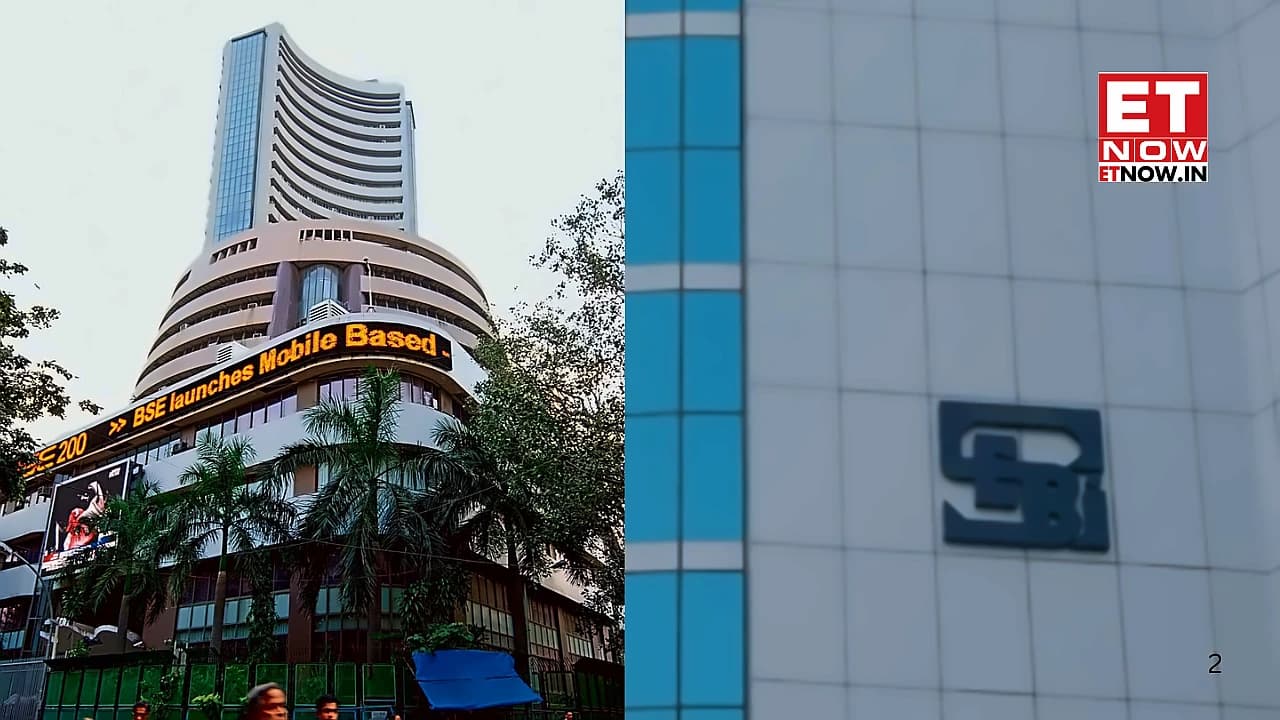
According to the exchange filing, BSE will offer cash settled monthly index futures and monthly index options with expiry dates as the last Thursday of the expiry period. This product structure provides traders with regular monthly opportunities to trade on the index, with the expiry schedule aligned to the last Thursday of each month. The cash settlement feature ensures immediate settlement of contracts at expiry, providing market participants with clear and efficient trading mechanisms. The new Sensex Next 30 derivatives will expand BSE's existing derivatives offerings, which currently include contracts for Sensex with weekly and monthly expiries, and derivatives contracts for BANKEX and SENSEX 50 with monthly expiries. Market experts view this move as structurally positive, offering investors exposure to emerging large-cap companies likely to graduate to the flagship index.
BSE shares closed 16.7% lower at ₹2,626.90 per unit on the NSE on March 4, following the regulatory announcement and broader market sell-off. However, the development was announced after the market closed, which may have contributed to the negative reaction. During the trading session, the stock fell as much as 4.63% to an intraday low of ₹2,537 per equity share, amid a broader sell-off in capital market stocks. The NIFTY Capital Market index ended 1.82% or 82.70 points lower at 4,452.95, with all constituents closing in negative territory as stock market crashed amid escalating hostilities in West Asia. The SENSEX crashed as much as 1,795.65 points to touch an intraday low of 78,443.20, while the NIFTY50 touched the session's low of 24,305.40. Despite the market decline, BSE reported strong financial performance with net profit of ₹602 crore in Q3, up 174% from the previous year, and revenue surged 62% to ₹1,244 crore from ₹768.1 crore in the third quarter. The exchange's consolidated operating EBITDA tripled to ₹732 crore from the previous year, with operating margin expanding to 59% from 31% in the year-ago period. Upstox reports that BSE has a total market capitalisation of ₹1.11 lakh crore as of March 5, 2026, according to NSE data.