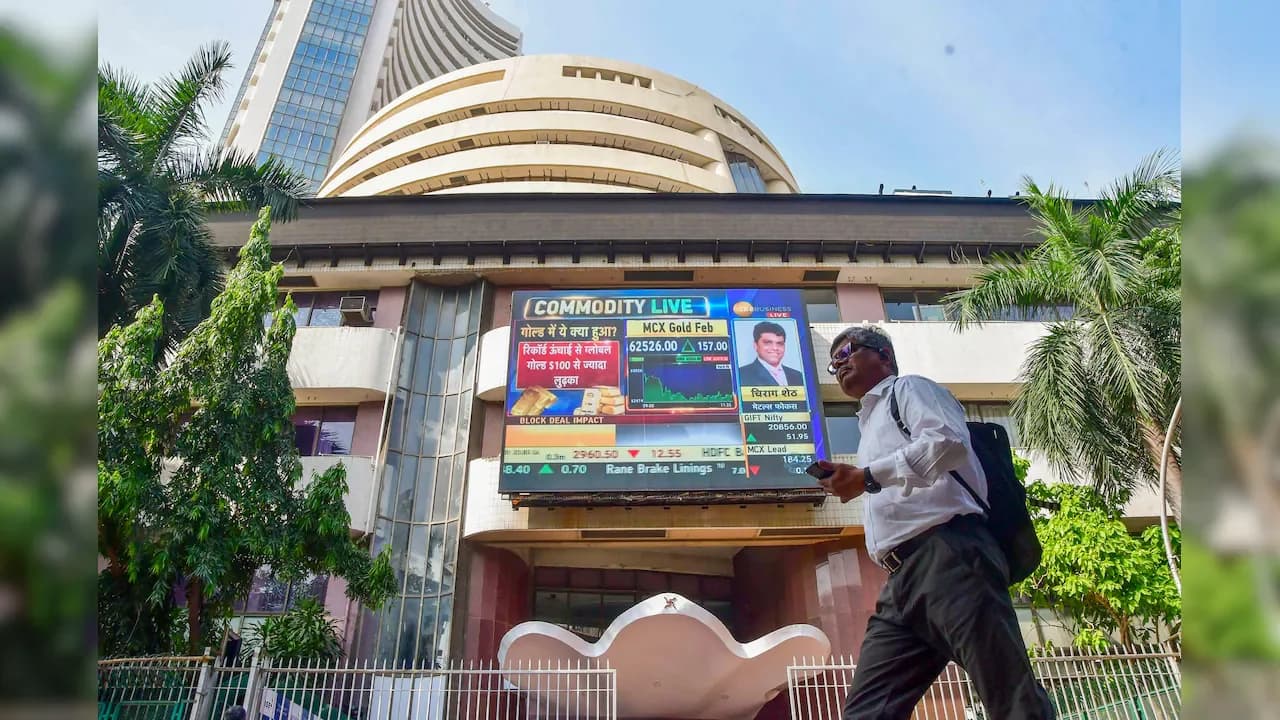
BSE MD & CEO Sundararaman Ramamurthy expressed optimism about India's stock market sustainability, according to reports from CNBC TV18. The exchange leader highlighted that strong GDP growth, regulatory support and a favourable policy environment are key drivers of investment and market participation. This positive outlook comes as the exchange seeks to capitalize on the current momentum in Indian equity markets, with the Samvat 2083 beginning expected to bring more than favourable market returns and translate into stronger business activity and wider economic opportunity.
As reported by CNBC TV18, Ramamurthy identified strong GDP growth as a primary factor supporting market confidence. The exchange leader emphasized that regulatory support and a favourable policy environment are creating conditions conducive to increased investment and market participation. These factors are expected to sustain the current growth momentum in India's stock market, with the coming year about converting economic resilience into actual business growth for traders, manufacturers, retailers and entrepreneurs.
Market analysts expect an improvement in earnings growth during FY27 after a relatively weak FY26, as reported by CNBC TV18. The larger expectation is that more reasonable valuations and stronger corporate earnings could support an improvement in investor sentiment. Stronger earnings give companies greater room to invest, hire and expand their businesses, though emerging weaknesses cannot be overlooked including hiring remaining subdued despite stronger business activity and manufacturing growth moderating.
According to CNBC TV18, the BSE leadership believes that the combination of strong economic fundamentals and supportive policy measures is driving increased investment and market participation. The exchange's optimism reflects confidence in the current market environment and its potential to attract more investors and maintain growth momentum in the Indian equity markets. The traditional opening of new account books on Diwali carries commercial significance that remains relevant even in a modern economy, with the extent to which domestic demand sustains itself after the festive season being an important indicator.