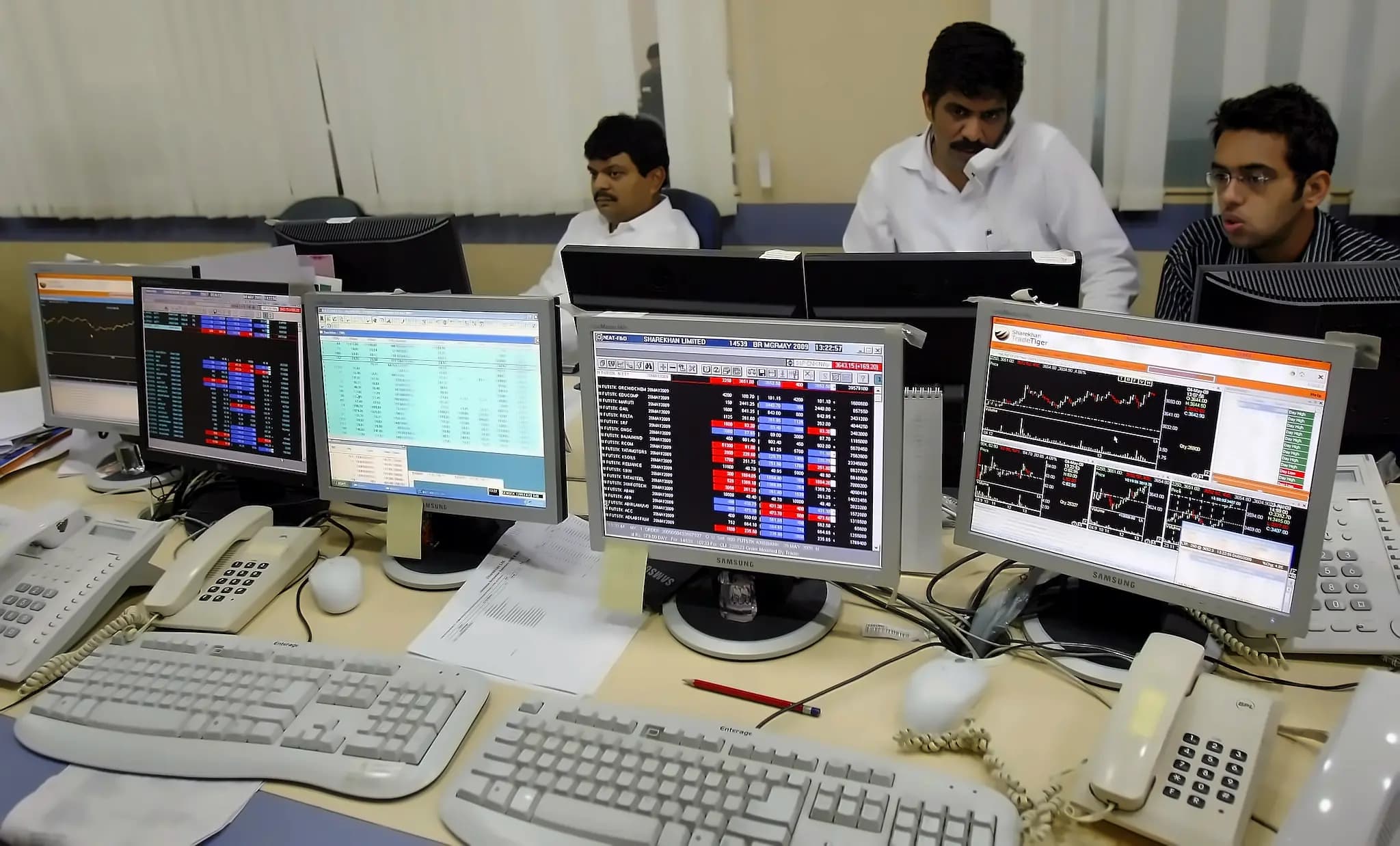
Bharti Airtel's share price rallied 3 per cent to ₹1,974 on the BSE in Tuesday's intraday deals, as reported by Business Standard. The stock has demonstrated strong momentum throughout October, surging 12 per cent against a 1.5 per cent rise in the BSE Sensex. At 12:09 PM, the stock was quoted 2.4 per cent higher at ₹1,962.40, compared to a 0.09 per cent decline in the benchmark index. The stock has also hit a 52-week high of ₹2,174.70 on November 21, 2025.
According to reports from Motilal Oswal Financial Services, the key driver behind Bharti Airtel's outperformance is expectations of a tariff hike soon after Jio's IPO. The brokerage expects strong earnings delivery from both Bharti and Jio Platforms Limited (JPL), which could lead to potential multiple re-rating for both companies. The delay in implementing tariff hikes has been a key reason for muted stock performance, with Bharti down 7 per cent year-to-date and Reliance Industries down 24 per cent versus the Sensex's 13.6 per cent decline.
As reported by multiple analysts, there's a strategic dilemma emerging around Jio's planned IPO timing. Some analysts argue that tariff hikes tend to accelerate Airtel's revenue market share gains more than Jio's, narrowing Jio's lead at the worst possible time for its planned IPO. This creates a critical decision point: should Jio push for higher prices before listing to boost valuation, or delay to protect market share. For Airtel, the risk is clear - if Jio improves its data monetisation through better mix, home broadband upsell, and 5G premium services, the ARPU premium could narrow. Jio management already targets organic ARPU growth of 5-6% annually without tariff hikes.
According to Business Standard, Bharti Airtel is an integrated telecom services provider with operations in India, Sri Lanka, Bangladesh and 15 countries in Africa. The company has a 29 per cent subscriber share in India and a 32 per cent revenue market share. Management has reiterated that the Indian mobile tariff structure needs to change, as the unlimited 5G data at ₹349 plan effectively caps data subscriber monetisation. The company plans to invest in growing homes, enterprise and data center businesses while maintaining its focus on core business investments. Airtel is positioned as the premium boutique, extracting maximum value from fewer customers through disciplined pricing and capital efficiency, while Jio operates as the volume player, betting on scale, speed and integrated ecosystem for superior returns.
As reported by Jefferies, the brokerage maintains a 'Buy' rating on the stock with a target price of ₹2,400 per share. Management remains confident of seeing 4-5 per cent annual ARPU growth without tariff hikes, driven by 4G and postpaid upgrades, international roaming and data plan upsell. The company has increased dividends over the past two years and aims to progressively raise dividends further. Bharti has also highlighted that investments in the core business will be the primary use of cash, while mobile capex is unwinding and focus shifts to fiber backhaul investments. The next tariff cycle will be crucial in determining which strategy - Airtel's premium positioning or Jio's volume approach - is winning the long game.