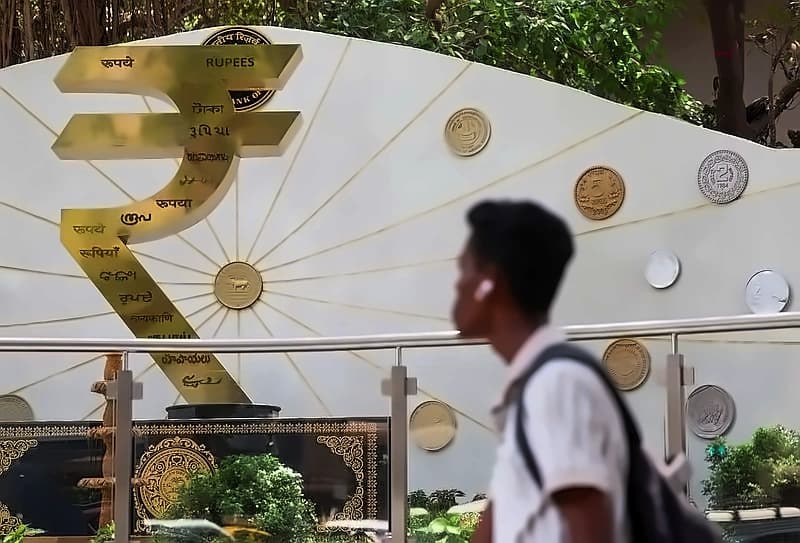
The Reserve Bank of India is prepared to take decisive action to stabilize the foreign exchange market amid mounting pressure on the rupee. Governor Sanjay Malhotra told Mint that the central bank will 'do whatever is required' to ensure orderly price discovery in the forex market and curb undue speculation. Speaking amid concerns over the rupee nearing the psychologically significant 100-per-dollar mark due to ongoing West Asia conflict, Malhotra emphasized that 'our policy remains the same. We do not target any price or level or band. It is only abnormal and high volatility that we try to curb'. The RBI chief noted that India has forex reserves of around $700 billion, providing adequate tools and reserves to tackle excessive volatility in currency markets.
Finance Minister Nirmala Sitharaman has identified elevated crude oil, fertiliser and gold prices as key drivers of pressure on India's foreign exchange outgo amid the West Asia crisis. As reported by Business Standard, Sitharaman explained that 'high international crude prices — and the high crude prices are ever-changing, seriously dynamic' have remained volatile over the past 80-90 days. The finance minister highlighted that 'all these three payments will have to be in foreign exchange. There is no rupee trading there', referring to the pressure from essential imports and gold purchases. She emphasized the context of 'these three Fs — fuel, fertiliser and foreign exchange' and noted that 'to just put it in context, all these three payments will have to be in foreign exchange'.
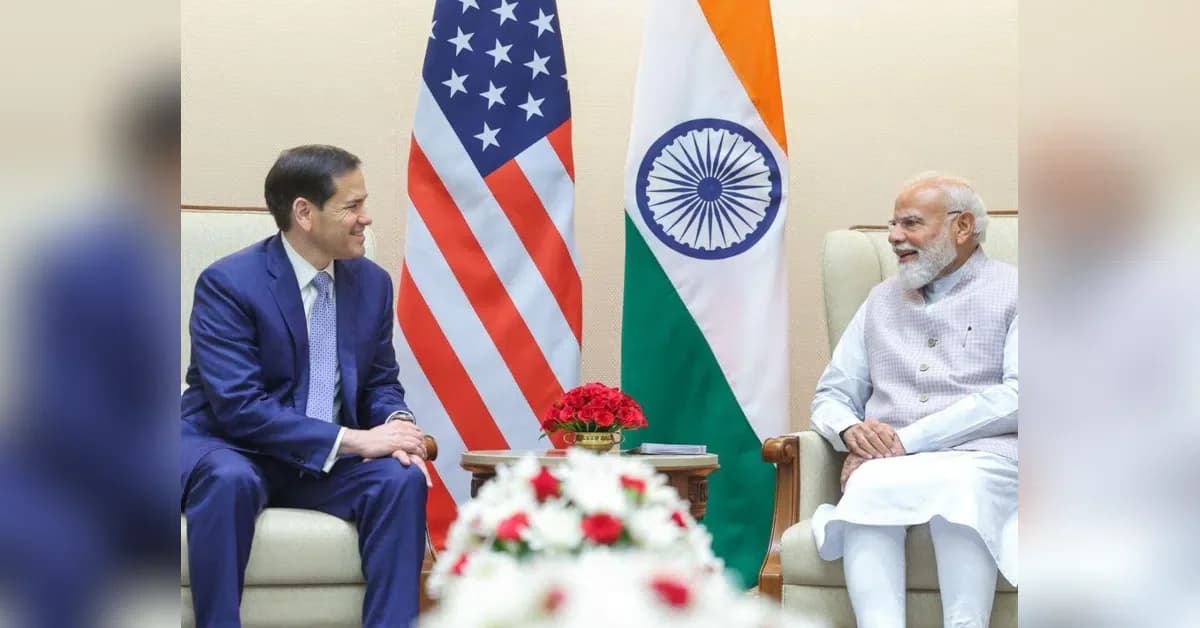
US Secretary of State Marco Rubio is conducting his first official visit to India from May 23 to 26, focusing on strengthening bilateral ties between the two nations. According to reports from Business Standard, during his meeting with Prime Minister Narendra Modi, Rubio discussed expanding cooperation across strategic sectors and emphasized the importance of the India-US partnership in supporting a 'free and open Indo-Pacific'. The visit comes as both countries work to stabilize ties after recent tensions over trade tariffs, immigration issues such as H-1B visas, and the West Asia crisis that affected energy markets. Rubio also extended an invitation to PM Modi to visit the White House on behalf of US President Donald Trump.
Deposit growth data, scheduled for release on May 29, will provide insights into liquidity conditions in the banking system. According to Business Standard, deposit growth in India rose to 12.3% in the week ending May 1, compared with 12.2% in the previous reporting period. The pace of deposit mobilisation is being closely tracked as banks continue to manage credit demand and liquidity pressures. Strong deposit growth is important for supporting lending activity and overall economic expansion, with the banking sector closely monitoring these trends to manage liquidity requirements.
Despite forex pressures, Finance Minister Sitharaman emphasized that India's economic fundamentals remained strong despite global headwinds. She cited robust economic indicators, including GST collections crossing ₹22 lakh crore in FY26, up 8.3% year-on-year, and strong high-frequency demand recovery in April. Domestic wholesale tractor sales rose 26% year-on-year, passenger vehicle sales grew 25%, two-wheeler and three-wheeler sales increased 28% and 32% respectively, while new business premiums of life insurers rose 39%. The banking sector remained healthy with gross non-performing assets of public sector banks declining to 1.93% in FY26, and credit growth to retail, agriculture and MSMEs stood at 18.1%, 15.5% and 18.2% respectively. Sitharaman highlighted the government's ₹1 lakh crore Economic Stabilization Fund as a precautionary buffer against external shocks, created before the full impact of the West Asia situation.