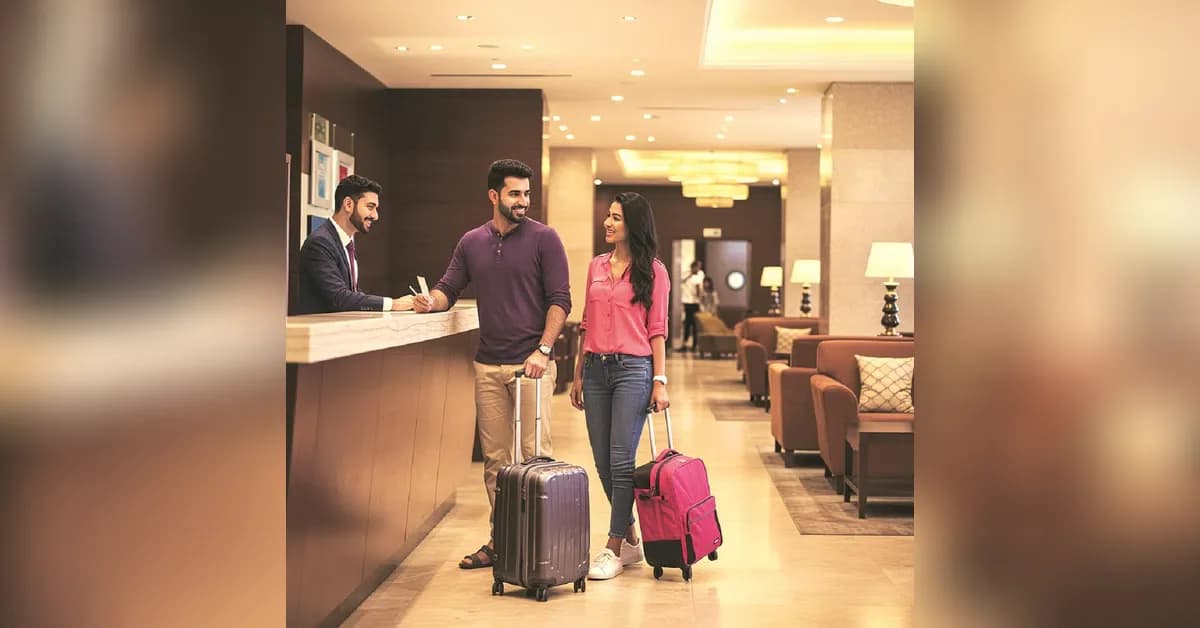
Congress MP Shashi Tharoor highlighted a significant disparity in international tourism between India and Thailand during a fireside chat with Indian diaspora members in Thailand. According to reports from NDTV Profit, India recorded 9.95 million foreign tourist arrivals in 2024, while Thailand welcomed more than 35.5 million international visitors during the same period. Tharoor noted that this gap is particularly ironic given Thailand's higher per capita income compared to India, stating that "Thailand is historically much cheaper to visit for a tourist than India is. And that's a bit ironic because in many ways your per capita income is higher than ours. So we should actually be cheaper than you." As per NDTV Profit, Tharoor emphasized that India continues to trail several Asian tourism destinations in attracting international visitors, with foreign tourist arrivals still below pre-pandemic levels. The latest data shows that Thailand's tourism sector has surpassed official targets and reflected a strong recovery, while India's numbers remain below pre-pandemic levels.
Tharoor attributed part of India's tourism underperformance to structural constraints within the hospitality sector. As reported by NDTV Profit, he cited floor space regulations that raise hotel construction costs and, in turn, room tariffs as key factors limiting affordability. The Congress MP explained that limitations on land use have resulted in lower-density construction, increasing the cost of individual hotel rooms and making accommodation more expensive than in many other countries. He stated that he has advocated for changes to make hotel rooms more affordable, emphasizing that existing floor space index norms limit optimal land utilisation. According to NDTV Profit, Tharoor explained that "each room constructed has to charge more to break even than in many countries" due to floor space index problems, making India's hotel accommodation significantly more expensive than comparable destinations.
While acknowledging the government's role in improving infrastructure and creating supportive policy environments, Tharoor questioned the effectiveness of government agencies in tourism marketing. According to NDTV Profit, he stated that "the truth is, bureaucrats are not great at this stuff," while praising former bureaucrat Amitabh Kant for conceptualising the successful Incredible India campaign. Tharoor advocated that tourism promotion should be driven largely by tour operators and private-sector stakeholders, while governments should focus on essential infrastructure, sanitation, waste management, and tax incentives. As reported by NDTV Profit, he emphasized that "I've seen Indian tourism promotion over decades, and except for a few inspiring exceptions like my friend Amitabh Kant, who devised the Incredible India campaign, I would say that a lot of that is not well done by government officials." He suggested that the government should concentrate on creating favourable conditions for the industry while allowing businesses to take the lead in promoting India globally.
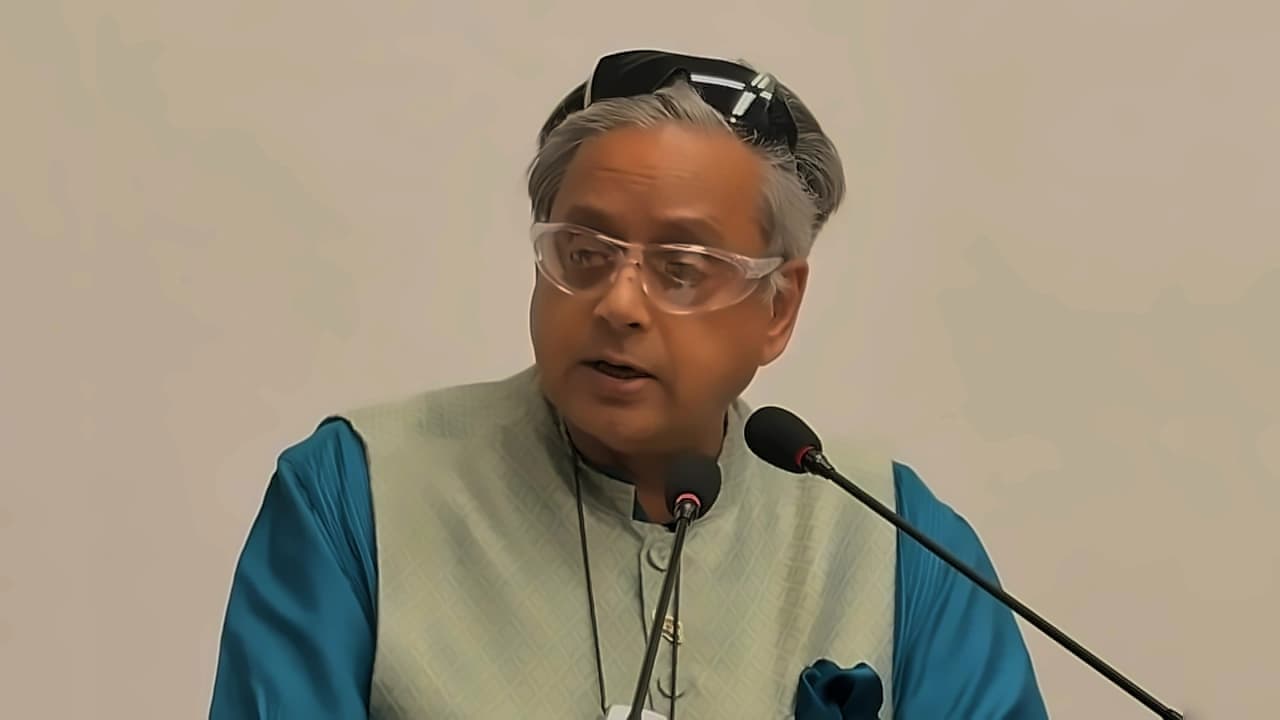
Highlighting the scale of India's tourism challenge, Tharoor emphasized the stark contrast between the two countries' visitor numbers. As reported by NDTV Profit, he noted that "Bangkok gets in one month more tourists than the whole of India gets in a year," demonstrating the magnitude of India's tourism gap. The Congress MP called for comprehensive policy reforms, improved infrastructure, and easier regulations to make India a more competitive global tourism destination. According to NDTV Profit, Tharoor argued that "the government has to do a lot to make India an easier place to visit" through financial, tax and policy changes that could make travel more affordable. He maintained that tourism promotion is often more effectively handled by the private sector than by government agencies, while governments should focus on infrastructure development and creating viable tourism environments. Tharoor also highlighted that tourism-related challenges including sanitation, waste management, hawking and begging in tourist destinations require greater attention from authorities to improve the overall visitor experience.