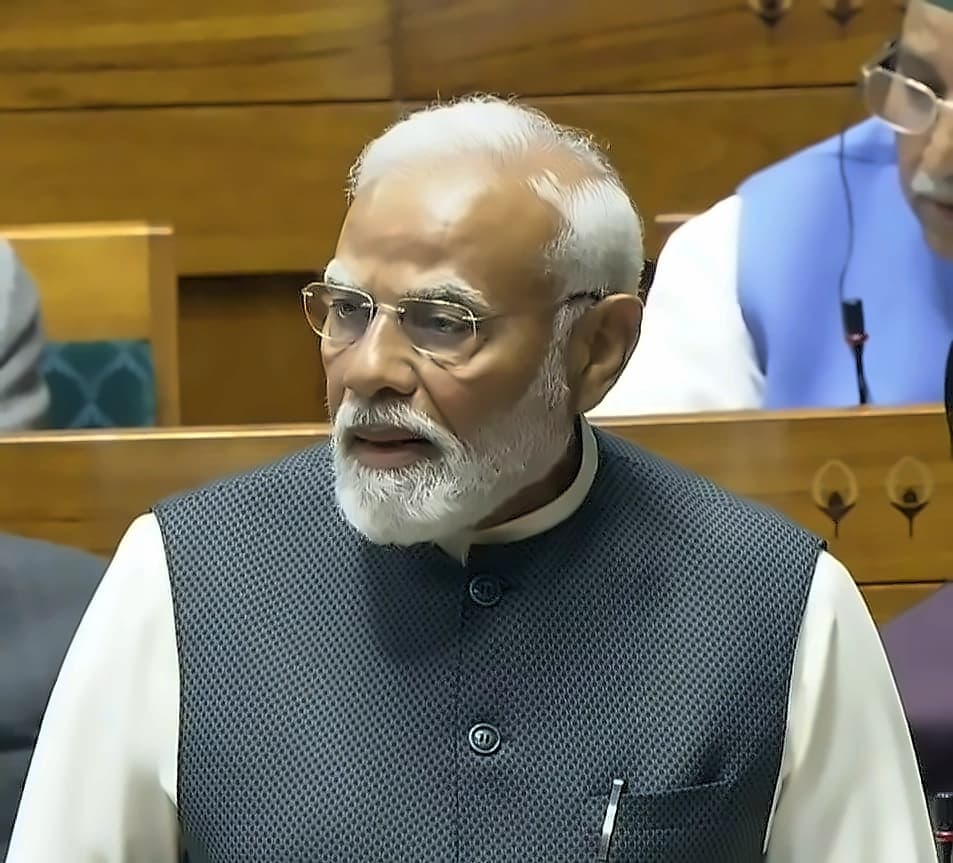
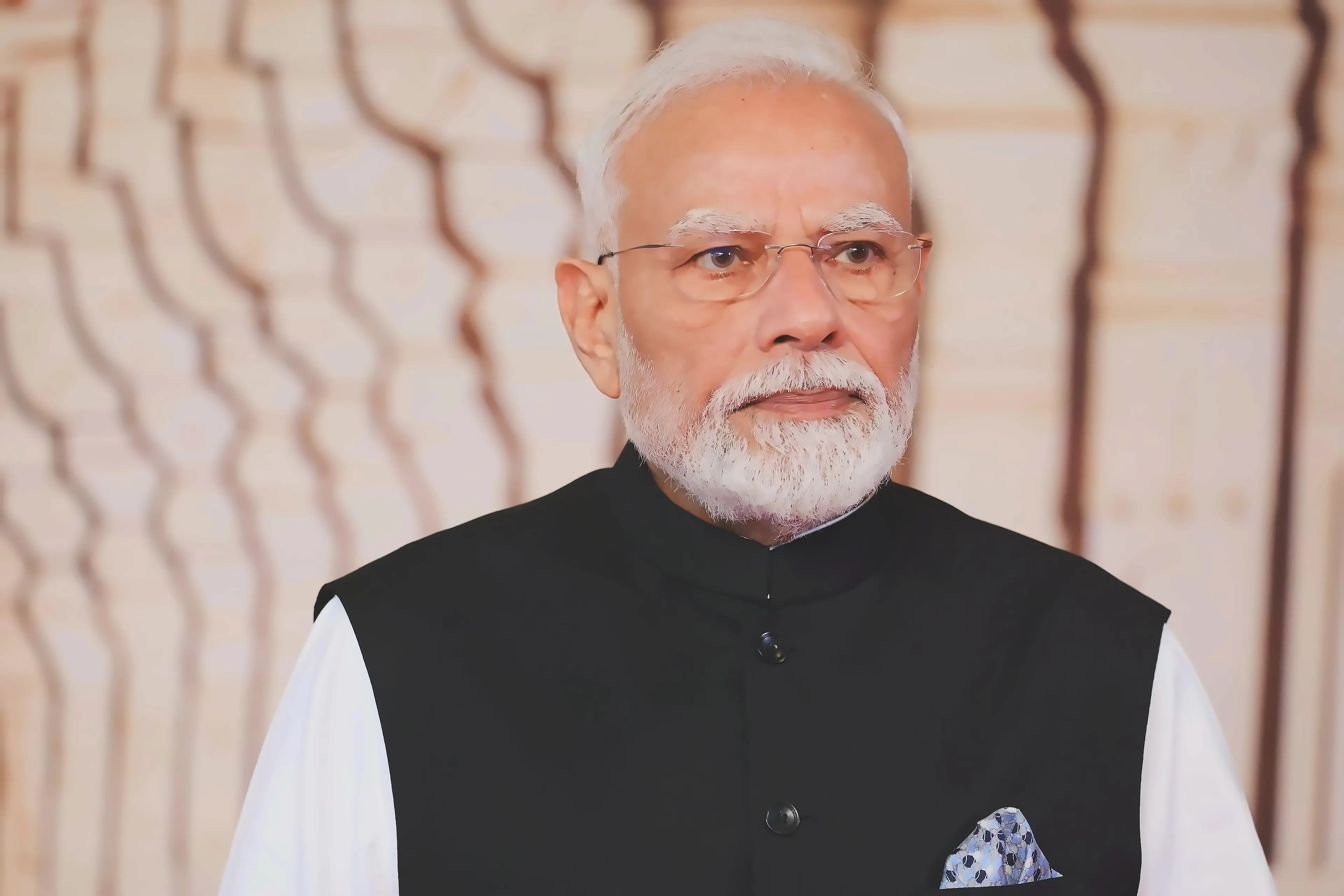
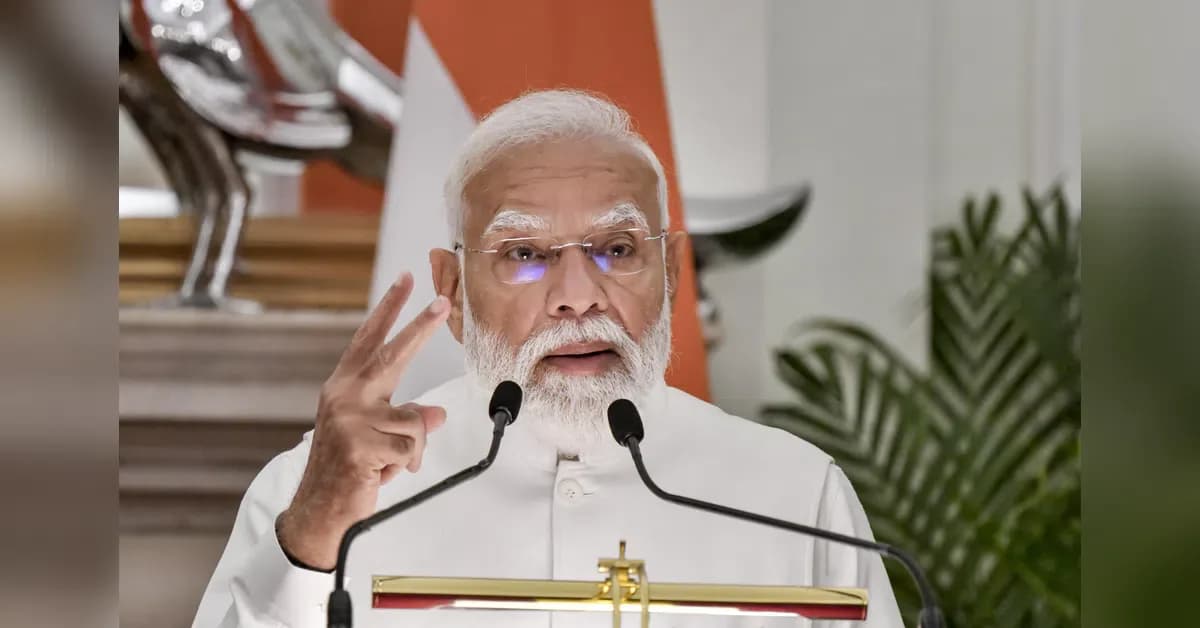
Prime Minister Narendra Modi has surpassed Jawaharlal Nehru as the longest-serving continuously elected Prime Minister of India, reaching the 4,399-day record this week. According to reports from Business Standard, this milestone has generated extensive discussions about comparisons between Modi and previous leaders, particularly Nehru. However, the analysis suggests that Modi's focus should shift from historical comparisons to building his own legacy for the future.
The significance of Modi's achievement extends beyond electoral longevity to demonstrate the maturity of India's democratic system. As reported by Organiser, Modi's tenure represents three national elections, three successive mandates, and an uninterrupted democratic endorsement from the people of India. This contrasts sharply with Nehru's early years, where he served as Prime Minister for 1,732 days before the first general election in 1951-52, during which he governed through political arrangements rather than democratic legitimacy.
Under Modi's leadership, India has emerged as a civilisational state with an independent worldview, rooted in its own traditions, while engaging confidently with the modern world. According to Organiser, this shift reflects a growing belief that India need not apologise for its history, culture, or majority civilisational identity in order to participate meaningfully in global affairs. Key achievements include the abrogation of Article 370, construction of the Ram Mandir, institutionalisation of digital governance, and expansion of welfare delivery. The transformation represents a departure from the Nehruvian framework that often appeared disconnected from India's civilisational self-understanding, with expressions of civilisational confidence now treated with respect rather than suspicion.
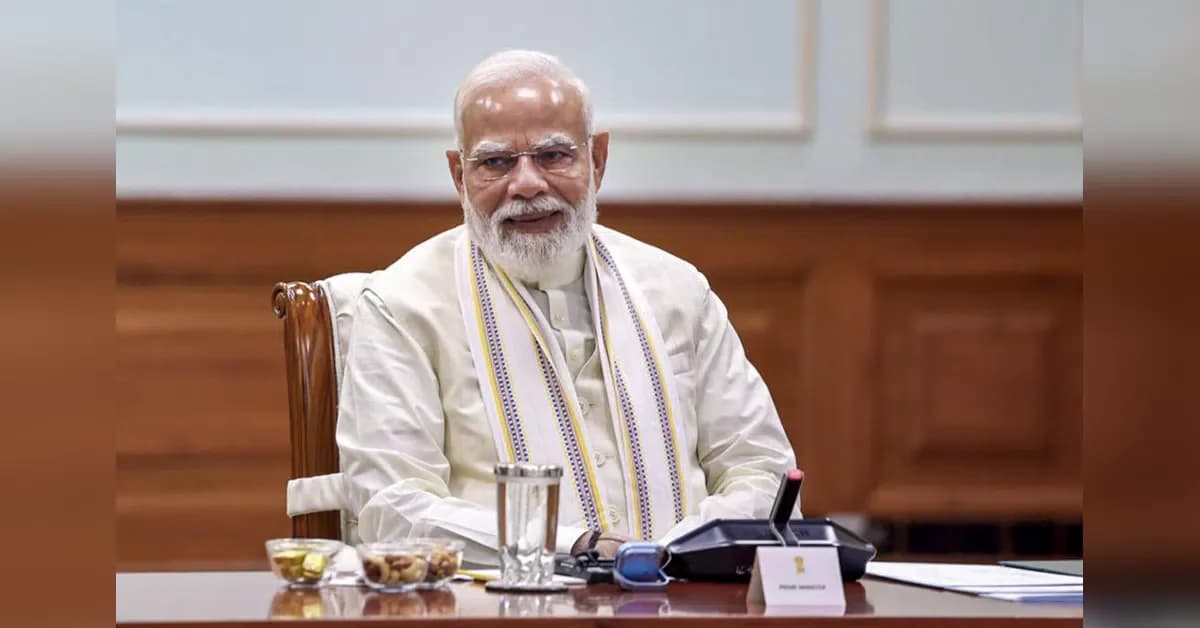
Modi's most consequential transformation has been in the relationship between the state and citizens, fundamentally altering how governance operates in India. As reported by Organiser, the government sought to replace welfare delivery through intermediaries with direct entitlements and transparency. Key initiatives include more than 55 crore Jan Dhan accounts, expansion of Direct Benefit Transfer mechanisms, rapid growth of digital public infrastructure, widespread sanitation coverage, Ayushman Bharat, and rural water connectivity. These measures represent a philosophical shift from a paternalistic state to a citizen-centric state, with governance now empowering rather than patronising citizens through technology, financial inclusion, and administrative reform.
As reported by Business Standard, Modi faces five significant challenges as he moves forward. The first challenge involves shaking off past comparisons with Nehru, Indira Gandhi, or other historical figures, as Modi was only 14 years old when Nehru died. The analysis emphasizes that Modi should be defined by his own epoch rather than previous leaders' accomplishments. The second challenge relates to managing the remaining three years of his current tenure and potential future elections in 2029 and 2034. Additional challenges include increasing defense spending to maintain strategic capabilities, managing global crises including Covid-19 and Ukraine conflict, and addressing economic growth with per capita income ranking between 144 and 149.