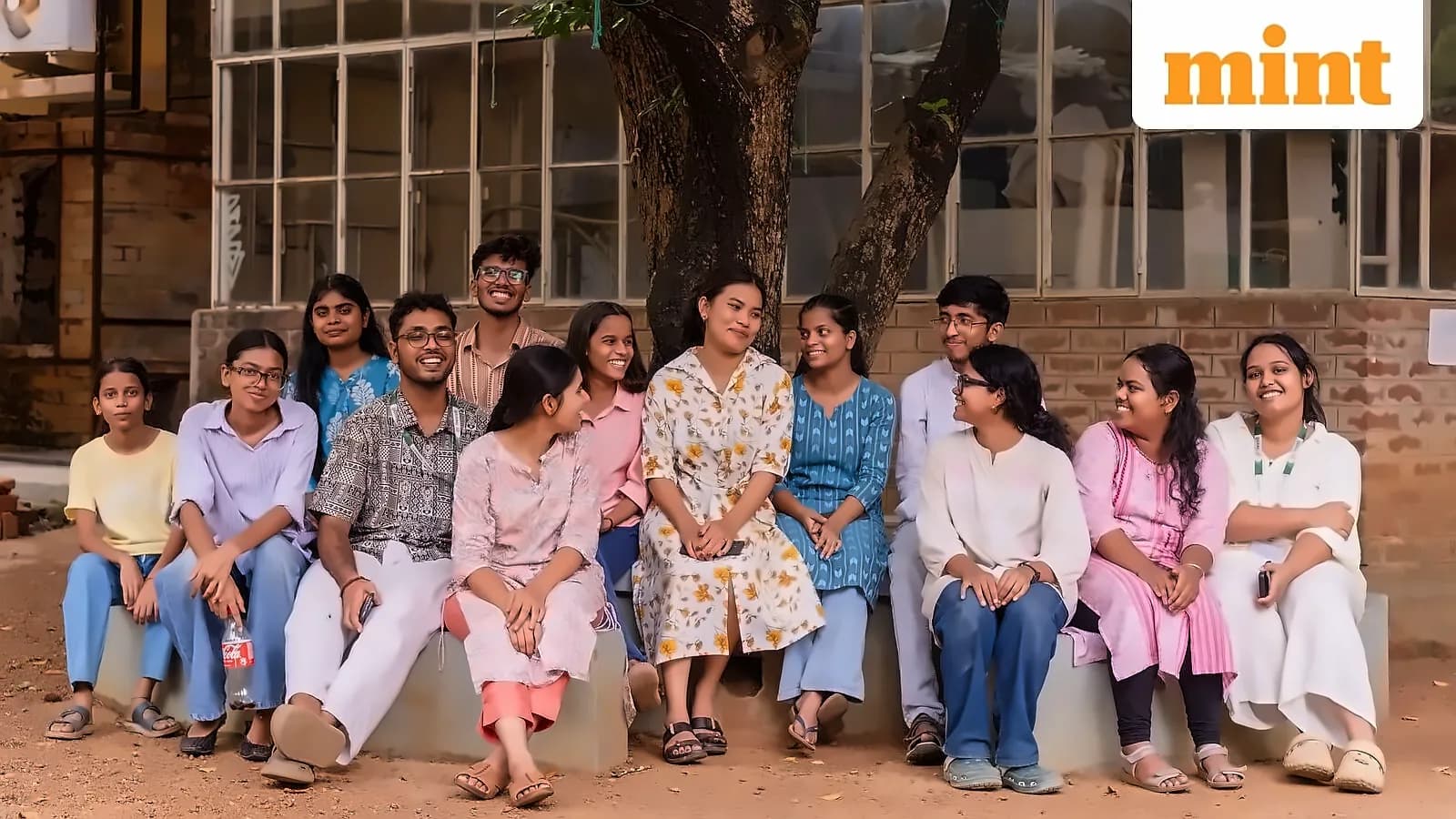
India's luxury market is undergoing a profound generational transformation as Gen Z consumers are redefining luxury in ways that extend beyond products and price points. According to BCG and Snapchat, Gen Z-driven spending in India is expected to reach nearly USD 2 trillion by 2035, meaning that every second rupee spent in the country could come from a Gen Z consumer. Already contributing approximately 45% of fashion and lifestyle expenditure, this generation is reshaping luxury through its emphasis on digital engagement, self-expression, authenticity, and conscious consumption. Unlike previous generations, Indian Gen Z consumers do not view luxury solely as a symbol of wealth or status. For them, luxury is increasingly about identity, experiences, values, and personal meaning - a fundamental shift from status-driven purchasing to meaning-driven consumption.
India's spending patterns have undergone a fundamental transformation, moving beyond the traditional roti, kapda, makaan approach to embrace experiences, convenience, and lifestyle choices. According to The Times of India, consumers are now spending on skincare products, concert tickets, OTT subscriptions, gym memberships, café hopping, and matcha cravings - items that were previously considered luxuries. As reported by TOI, Saumati, a 53-year-old homemaker, noted that younger generations are more open to spending on experiences that make them happy, whether enjoying meals with family, trying different foods, or bringing new choices like almond milk and vegan pizzas into their homes. The most distinctive characteristic of Indian Gen Z consumers is their ability to blend global influences with local cultural pride, as highlighted by Snapchat, with 83% of Indian Gen Z consumers taking pride in purchasing Indian-origin brands while remaining deeply connected to global fashion and lifestyle trends.

India's consumption story has never looked stronger, with consumer spending now driving nearly 60% of the country's GDP. As reported by The Times of India, businesses are booming and global brands are lining up to tap into one of the world's fastest-growing consumer markets. The Indian plate is becoming more diverse and convenience-driven, with ready-to-eat meals, packaged snacks, café culture, and food delivery apps quietly reshaping household budgets. This shift reflects a move from simply eating to spending on choice, convenience, and experience. The luxury sector is experiencing particular growth, with India's second-hand luxury market expected to reach USD 1.67 billion by 2033, growing at nearly 10% annually, demonstrating that younger consumers increasingly value longevity, craftsmanship, and responsible consumption.
A critical shift in Gen Z luxury consumption is the move from status-driven purchasing to meaning-driven consumption, with sustainability becoming a significant consideration. Research conducted by RAIS indicates that 89% of respondents agree that eco-friendly production, ethical sourcing, and transparency are important for the future of luxury fashion. This evolving mindset is reflected in the growth of India's second-hand luxury market and the rise of resale and circular fashion. Digital platforms serve as discovery engines where consumers explore products, compare options, watch reviews, engage with creators, and seek validation from their communities. According to Bain & Company, nearly 70% of luxury purchases are influenced by online interactions, while luxury brand websites receive approximately twice the traffic of physical stores. However, physical retail continues to play a critical role, with approximately 75% of luxury purchases still taking place offline, highlighting the enduring importance of personal service and emotional connection.
India's ambitious Vision 2047 development strategy faces significant conversion challenges, as highlighted by recent World Bank analysis. While India has achieved GNI per capita growth and reached high-income status, the country's HDI score of 0.685 in 2023 places it 130th out of 193 countries, leaving it in the 'medium' category for human development. The World Bank's analysis reveals that crossing the very-high-HDI threshold requires approximately 4% annual GNI per capita growth, while converging with developed economies would demand 7.7% annual income growth. This gap between income growth and human development progress is the central challenge for achieving Vision 2047's development goals.