India continues to be a 'bright spot' in the global economy despite geopolitical uncertainties, offering strong growth and a very large market, according to Tata Consumer Products Chairman N Chandrasekaran. Speaking at the company's 63rd Annual General Meeting, Chandrasekaran highlighted that India remains the fastest growing major economy, primarily led by demographic strength, expanding physical and digital infrastructure, significant consumption growth, and rising aspirations of the population. The world today is being reshaped by geopolitical shifts, supply chain disruptions, energy transition and rapid advances in Artificial Intelligence, as reported by Business Standard. Chandrasekaran noted that the year began on a positive note, citing developments such as the trade agreement between India and the European Union and the interim trade arrangement between India and the United States. However, he cautioned that by early March, the start of the West Asia crisis brought concerns about stagnation, falling output, coupled with rising inflation, with the crisis raising concerns about stagflation - falling output and rising inflation simultaneously.
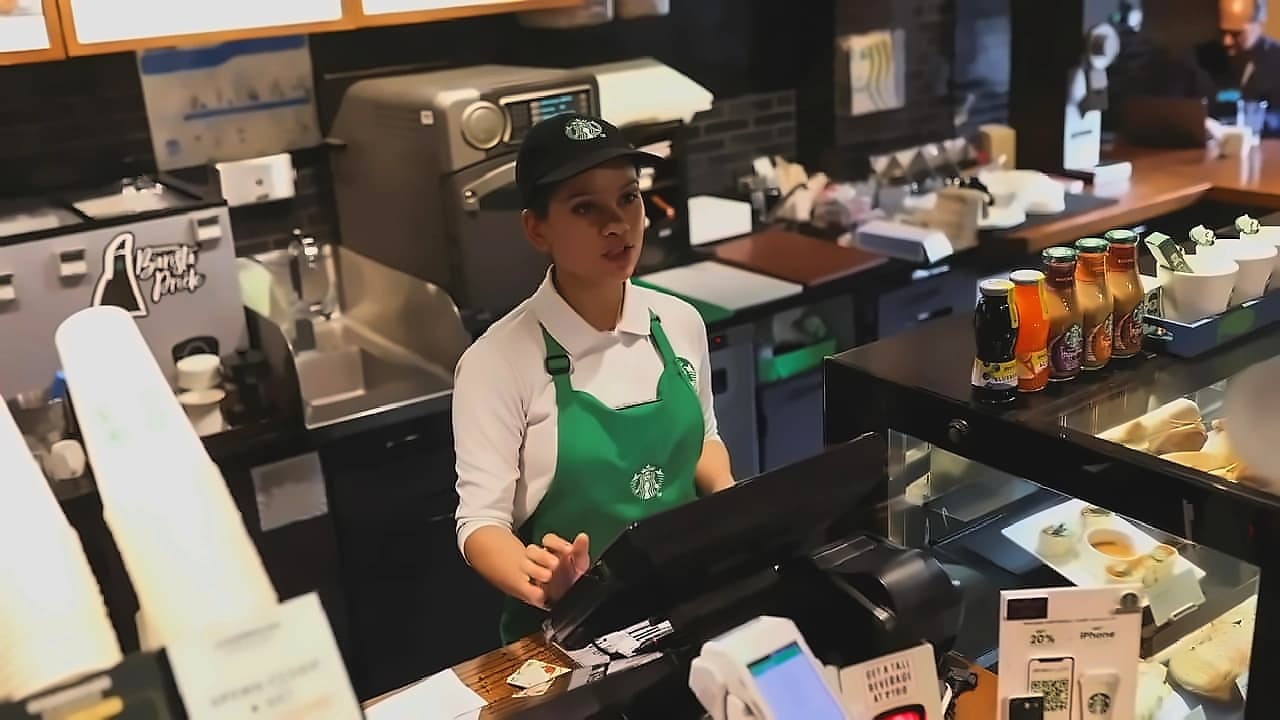
Tata Consumer Products is significantly expanding its Starbucks operations in India, with Chairman N Chandrasekaran announcing plans to add 50-100 Starbucks stores annually as the joint venture swings to profitability. Speaking at the company's 63rd AGM, Chandrasekaran stated that Starbucks is a very high potential business and eventually the company can have 8,000 stores in India. The Tata Starbucks joint venture, a 50:50 partnership between TCPL and Starbucks Corporation, currently operates 502 stores with a net addition of 23 stores in FY26. According to the company's FY26 annual report, Tata Starbucks reported revenue from operations of ₹1,367 crore, up 7% from the previous year, while the Starbucks entity was Ebitda positive in the financial year. The company had earlier outlined plans to reach the 1,000 store-milestone by 2028. Chandrasekaran emphasized that discussions with the joint venture partner, Starbucks Corporation, indicate a substantial headroom for expansion in the Indian market, with the JV currently operating across 80 cities and strengthening its presence across metros while building momentum in Tier II and III cities.
According to the company's latest financial results, consolidated revenues grew 15% to ₹20,290 crore in financial year 2025-26, with constant currency growth around 12%. As reported by Business Standard, the company's EBITDA rose 12% to ₹2,815 crore and group net profit increased 20% to ₹1,547 crore. The company achieved an EBITDA margin of 13.9% in FY26, with plans to reach 17% in the medium term and eventually cross 20%. Chandrasekaran noted that improvement of 50 to 100 basis points is targeted annually, with 100 basis points possible in a good year. The board has recommended a dividend of ₹10 per share, equivalent to roughly 60% of profits. Managing Director and CEO Sunil D'Souza noted that the India business grew 14% and growth businesses, including Sampann, Capital Foods, Organic India, Soulfull and Ready to Drink, were up by 24%. The company ended the year with cash reserves of ₹2,978 crore and reported free cash flow equivalent to 107% of EBITDA.
Chandrasekaran emphasized that changing lifestyles, new retail formats, digital commerce and particularly quick commerce are changing consumer behavior, with Indian consumers and their consumption patterns constantly evolving. According to Mint, new-age sales channels now contribute more than 30% of the company's India portfolio, while traditional retail remains central to its go-to-market strategy. The company has successfully reimagined itself as a multi-category FMCG player from a tea and salt player, with India Foods becoming the company's largest segment with revenue of ₹6,588 crore, growing 18%. The integration of acquisitions such as Capital Foods and Organic India has expanded the company's addressable market, with investments in digital technologies and AI being deployed across product development, forecasting, consumer insights and operational optimization. Modern trade accounts for 15% of business and grew 20% last year, while e-commerce and quick commerce contribute 19% and expanded 62%. The company launched 80 products during the year, double the pace of FY25, with innovation-led revenue increasing sevenfold.
As reported by Mint, Tata Consumer Products has become one of the top 10 FMCG companies of India, according to MD and CEO Sunil D'Souza. The company now reaches 290 million households across India and distributes through around 4.5 million retail outlets, employing more than 11,000 people globally. Beyond traditional channels, the company has identified pharmacies, vending machines and food services as new growth channels, with these segments exiting Q4FY26 with annual run rates of ₹30 crore, ₹100 crore and ₹170 crore, respectively. The company completed the remodelling of its supply chain for salt and non-salt distributors during FY26 and plans to spend ₹700 crore in FY27 due to an additional tea extraction unit. Looking ahead, the company plans to deepen investments in digital capabilities and artificial intelligence across product development, demand forecasting, consumer insights, marketing and operations, while advancing its sustainability agenda under the Tata Group's Project Aalingana. Shares of Tata Consumer Products were trading 0.89 percent higher at ₹1,116.40 during the session following the AGM announcement.