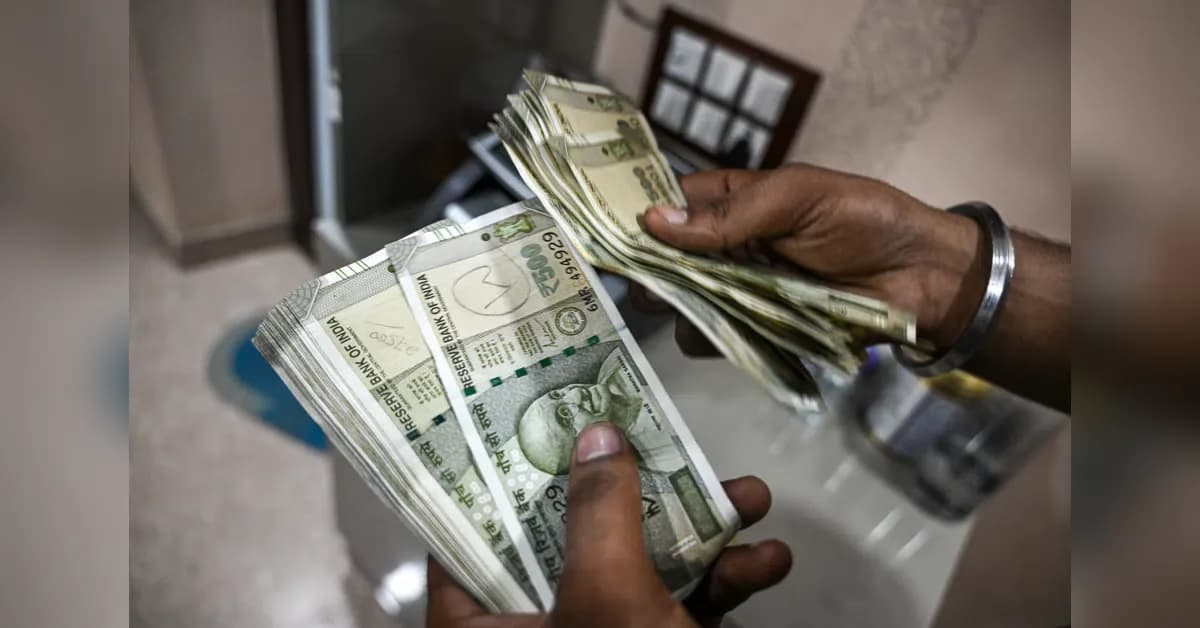
Household discretionary spending demonstrated a strong recovery in FY25, with total private final consumption expenditure (PFCE) increasing 6% to ₹169 lakh crore in real terms, according to the latest national accounts data released by the National Statistical Office (NSO) with revised base year 2022-23. This growth pace was similar to the previous financial year, marking a significant shift as the economy recovered from the COVID-19 pandemic and households shifted towards non-essential discretionary items and services that had earlier seen decline.
The most dramatic recovery occurred in alcoholic beverages, tobacco and narcotics spending, which surged 22.4% to reach ₹2.7 lakh crore, nearly double the spending on recreation, sport and culture activities. As reported by The Times of India, this category outpaced growth in all other item categories, signalling a clear shift towards premiumisation as households prioritised non-essential discretionary items and services. The growth was particularly robust in non-alcoholic beverages like soft drinks, water and juice, which saw 25% growth in spending during 2024-25.
The 'personal care, social protection and miscellaneous goods and services' category experienced a 19% rise to ₹5.3 lakh crore, recovering from spending declines seen in 2023-24. According to the NSO data, this category includes jewellery items such as precious stones and wristwatches, personal care products like electric razors and grooming services, along with travel goods and personal items. The services sector particularly benefited, with its share of total PFCE increasing to 45.2% (₹76.3 lakh crore) from 44.4% (₹70.5 lakh crore) previously. Among services, insurance and financial services saw a 10% jump to ₹11.4 lakh crore and health services recorded 9% growth to ₹8.7 lakh crore.
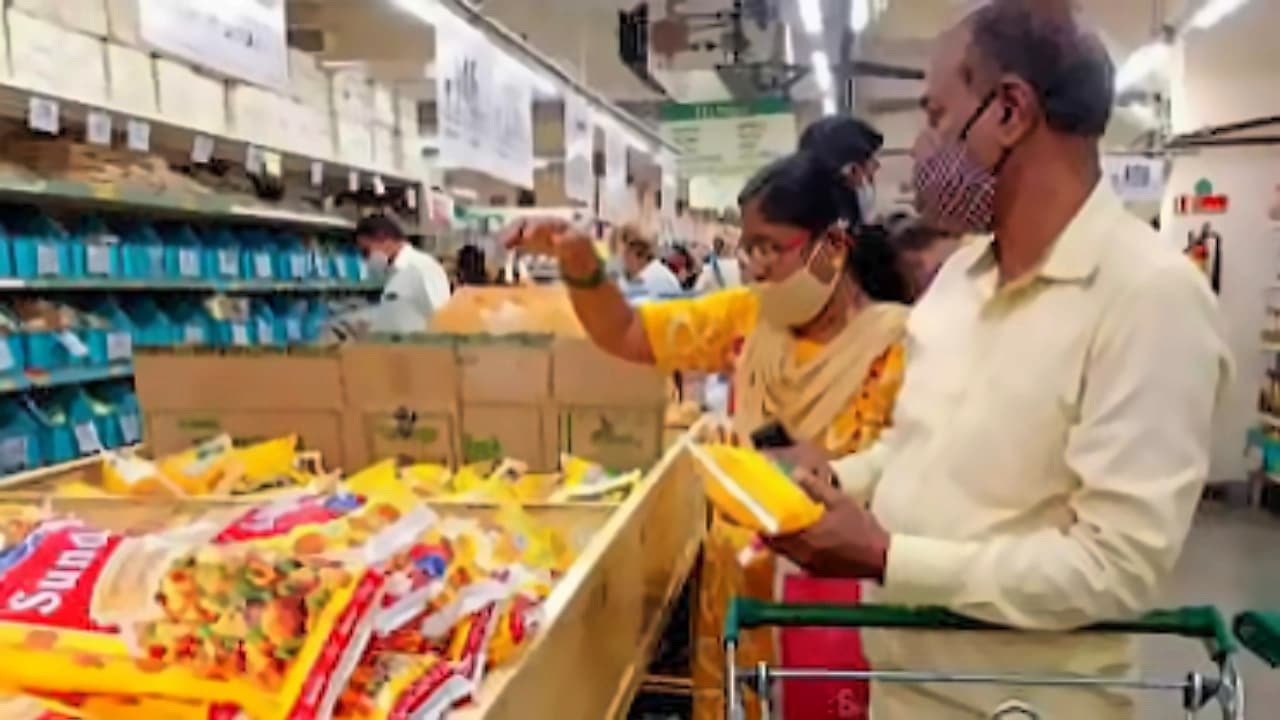
Among essential categories, spending on food items increased 4% to ₹45.5 lakh crore, with growth in spending on sugary products (11%), ready made food items (9%) and protein rich items like milk & dairy products, fish and seafood (nearly 7%) outpacing cereals, eggs, fruits and vegetables. This shift towards premium food items reflects changing consumer preferences and household spending patterns as the economy recovered from the pandemic.
The latest NSO data reveals that much of the 6% rise in total PFCE was cornered by the services sector, with services spending share increasing to 45.2% from 44.4% previously. This shift towards services and discretionary items signals a premiumisation trend as households prioritised non-essential discretionary items and services that had earlier seen decline. The recovery in alcoholic beverages, tobacco and narcotics spending, along with the strong performance in personal care and services categories, indicates a boost for government revenues as households increased spending on taxable items.