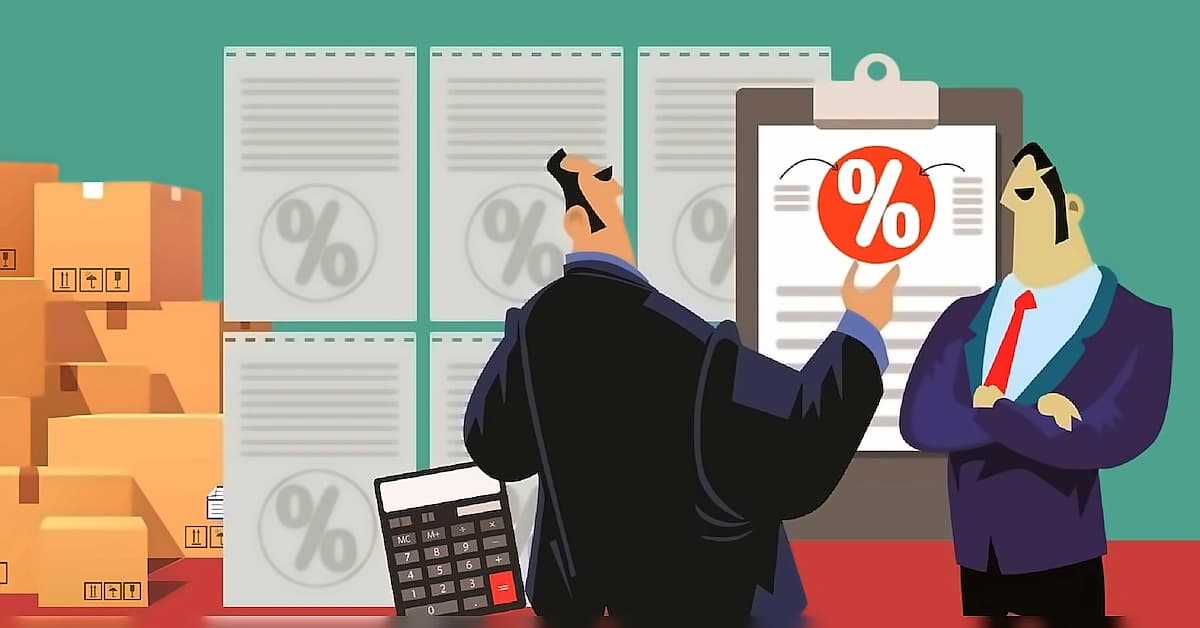
The GST rate rationalisation implemented six months ago has proven to be a transformative policy shift, fundamentally changing how the tax system operates. According to The Times of India, the rate reset on nearly 400 items has shown that higher consumption has helped increase tax collection to an average ₹1.1 lakh crore a month from ₹1.01 lakh earlier, despite the average tax rate falling from 14.4% to 12.8%. The average monthly taxable supply is seen to be over 22% higher in the post-rationalisation period, with volume growing up to 60% in case of precious metals and 21% for vehicles and 16% for other sectors. As per Deloitte India's MS Mani, "consumption has truly shot up. Take household goods, vehicles or cement, everywhere, consumption is higher. It is also reflected in the GDP data." The rate rationalisation exercise moved from merely protecting revenue to lowering the burden for consumers, transitioning to two slabs of 5% and 18%, removing classification issues and disputes while boosting demand.
The registered taxpayer base has demonstrated remarkable expansion since GST's launch, reflecting increased formalisation of the economy. As reported by NDTV Profit, PTI, The Economic Times, Business Standard, and The Times of India, the base has grown from 66.5 lakh at launch to approximately 1.65 crore as of May 2026. This growth trajectory indicates the success of GST in bringing more businesses into the formal tax system and contributing to the broader economic formalisation efforts. Prime Minister Narendra Modi, while launching GST during the historic midnight Parliament session, had described it as a "good and simple tax" designed to reduce the burden on traders and small businesses. Former Finance Minister Arun Jaitley, who played a key role in building consensus, had called GST "the monumental restructuring of one of the world's clumsiest indirect tax systems."
In September 2025, the GST Council overhauled the tax structure under 'GST 2.0' reforms, marking the beginning of the next phase of GST reforms. The reforms simplified the tax regime by consolidating the previous four slabs (5%, 12%, 18%, 28%) into two primary slabs (5% and 18%) and introducing a special 40% demerit rate. The 12% slab was moved to 5%, imposed on daily essentials and processed foods like toothpaste, shampoos, hair oil, namkeen, bhujia, pasta, sauces, and instant noodles. Medical essentials like glucometers, thermometers, and corrective spectacles were also moved to this slab. GST 2.0 eliminated the 28% slab, with many goods under this category moved to the 18% slab, giving relief to middle-class consumers. However, it added a new, higher 40% "Demerit" or "Sin" slab to consolidate taxes on luxury and harmful goods. The government said these rationalisations were intended to make GST simpler, improve compliance and support consumption while protecting revenue.
GST has undergone significant rate rationalisation over the years, transitioning from a four-tier structure to a simplified two-tier system. According to NDTV Profit, PTI, The Economic Times, Business Standard, and The Times of India, starting September 22, 2025, a next-generation GST was launched with most goods and services placed in two slabs - 5% for essential items and 18% for standard goods and services. The gross GST revenue increased 8.3% year-on-year to ₹22.27 lakh crore in 2025-26, compared to ₹22.08 lakh crore in 2024-25. Monthly collections have grown from ₹89,700 crore at launch to ₹1.85 lakh crore in FY26. However, as per Business Standard's Datanomics, growth in H2FY26 slowed to 5.7% from 8.3% in H1FY26, with collections further impacted by GST cuts starting September 22, 2025. Finance Minister Nirmala Sitharaman highlighted that the next-generation GST will "leave more cash in the hands of people" by reducing tax rates on several products and services. The success of GST at 9 is also reflected in government revenues, with average monthly GST collections nearly doubling from ₹89,700 crore in FY18 to around ₹1.85 lakh crore in FY26. The momentum has continued into 2026-27, with GST collections reaching around ₹4.37 lakh crore during April-May 2026.
GST has transformed India's tax system from fragmented compliance to digital-first operations, creating a unified domestic market. Before GST, India's indirect tax regime was divided between the Centre and states, with businesses operating across states having to comply with multiple tax laws and maintain separate registrations. The GST e-way bill system, introduced in April 2018, helped traders move goods between states without barriers, with invoice details, vehicle information, and transporter data linked through digital documents. Businesses transporting goods valued above ₹50,000 were required to generate e-way bills through the portal. GST enabled the creation of a unified domestic market from Kashmir to Kanyakumari, removing significant inter-state tax barriers that previously caused long lines of trucks at state check posts and increased transport time and compliance costs. The digital transformation includes e-invoicing introduced in 2020 for large taxpayers, later expanded to smaller businesses, creating a standardised electronic invoice system that automatically feeds into GST returns. Together with e-way bills and invoice matching, these systems created a digital audit trail for transactions across the supply chain, significantly improving transparency and reducing opportunities for tax evasion.