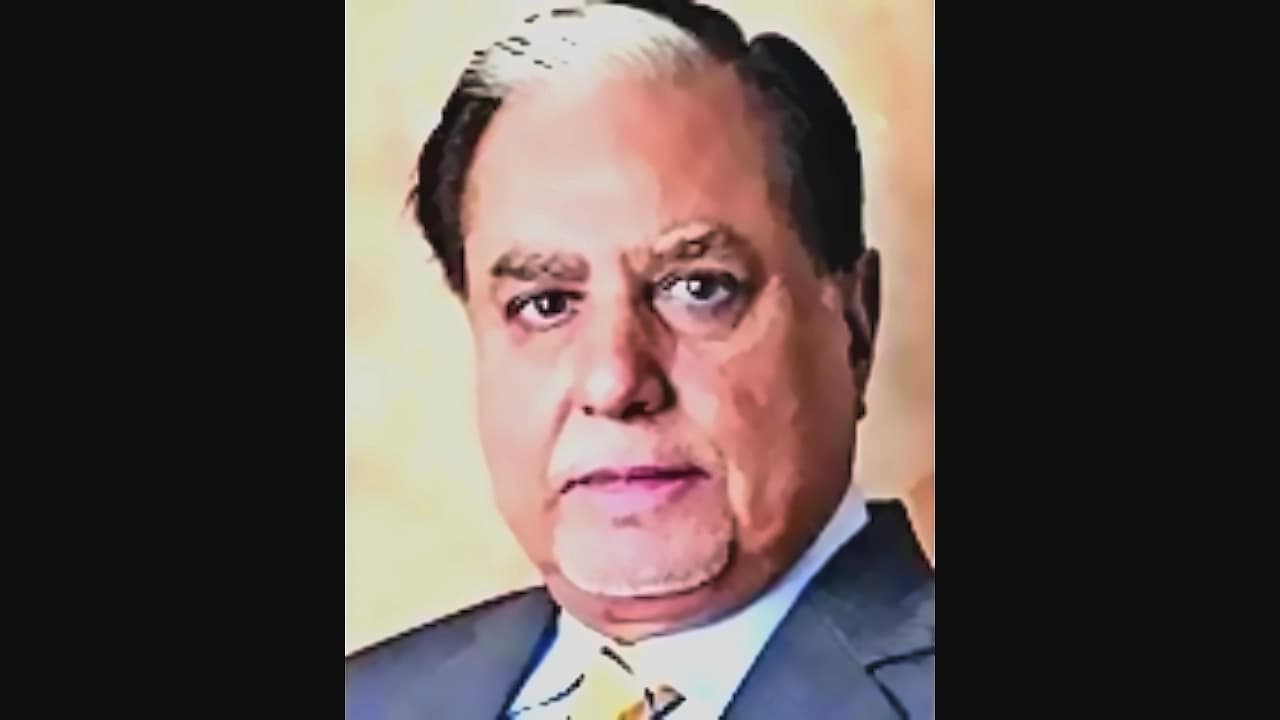
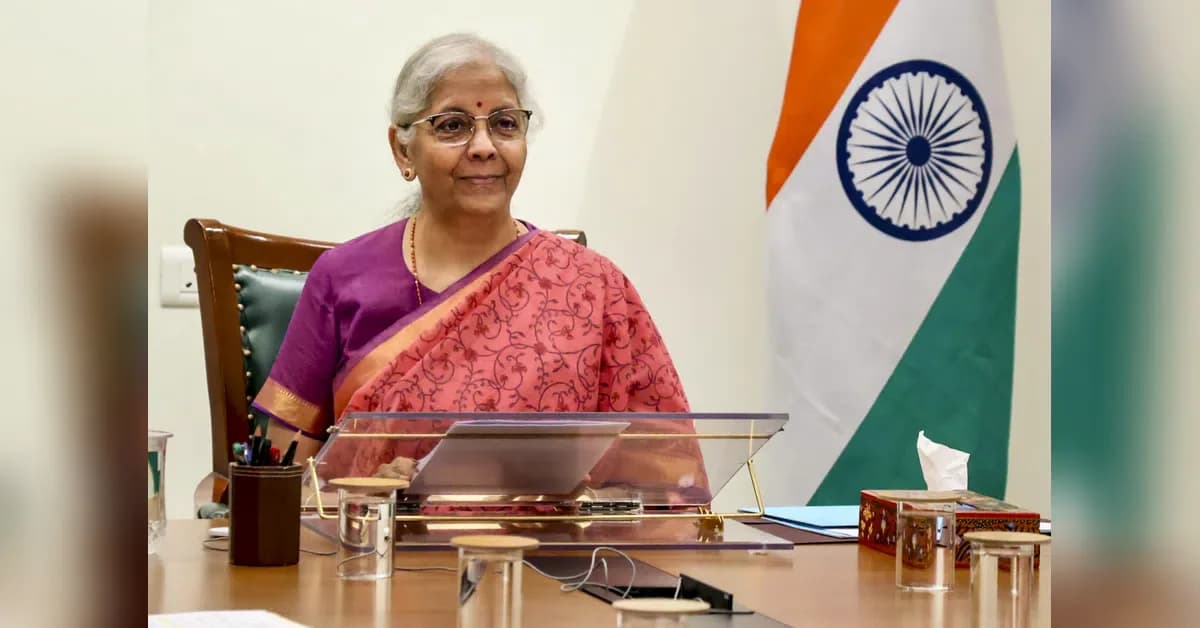
Former Chief Economic Adviser Krishnamurthy Subramanian has strongly criticized former England cricketer Ian Botham for questioning India's financial dominance in cricket. In a strongly worded post on X, Subramanian responded to Botham's comments on the Stick To Cricket podcast, where the former England captain agreed that India wields excessive influence in world cricket and suggested the country should share some financial gains. Subramanian accused Botham of being concerned about equity only when money flows toward India rather than away from it, writing "Ian Botham (no, I will not call him 'Sir') says India's financial dominance in cricket is a 'problem' and the wealth should be 'distributed more fairly'."
Subramanian claimed that during the approximately 200 years of British colonial rule over India, the subcontinent lost an estimated $45 trillion (₹3,60,000 crore). As reported by NDTV Profit, he stated that Britain drained this amount from India through systematic exploitation, including engineering famines that killed millions, dismantling Indian industries to favor Lancashire mills, and extracting resources like timber, cotton, opium, and indigo. The economist argued that while wealth moved in the opposite direction, Britain never showed concern about fair distribution. "Not once did Botham's Britain worry about 'fair distribution'," Subramanian said, describing colonialism as "the greatest redistribution story in history" that "just went the wrong way."

According to Subramanian's post on X, India's cricket dominance comes from investments, audiences, and innovation rather than extraction. He highlighted that India rebuilt itself from near-zero after colonial exploitation, creating the Indian Premier League (IPL), which he described as the most valuable cricket property globally. The economist argued that every rupee India earns in cricket was built through passion, broadcast revenues, and audiences that transformed cricket from a colonial gentleman's sport into a global business worth billions. "India then rebuilt itself from near-zero. Created the IPL, which is the most valuable cricket property on the planet. Built the audiences, the passion, the broadcast revenues that turned cricket from a colonial gentleman's sport into a global business worth billions," Subramanian wrote.
Responding to concerns about cricket's decline in the Caribbean, Botham pointed to the IPL as a key factor, stating that the best Caribbean players are heading to franchise leagues because they are not paid adequately at home. Subramanian countered this by noting that West Indies players choose IPL contracts over Cricket West Indies deals, citing this as market dynamics rather than colonialism. He described the situation as "the market. The same free market Britain championed for two centuries when it worked in Britain's favour." Subramanian rejected suggestions that India should dilute its financial influence, stating "India doesn't owe cricket the world a rebate on its own success."
This exchange represents part of ongoing discussions among former cricketers about India's financial influence in international cricket. Subramanian, who served as the youngest CEA from 2018 to 2021, argued that criticism emerged only after the financial centre of gravity in cricket shifted towards India. The debate highlights tensions around wealth distribution in global cricket, with Subramanian's response emphasizing India's legitimate success in building cricket's commercial value through market forces rather than colonial exploitation. As reported by NDTV Profit, this isn't the first time former cricketers, especially from England, have expressed opinions about India and the BCCI regarding cricket finances, with Subramanian describing the hypocrisy as "bare, brazen, and entirely unsurprised by itself."