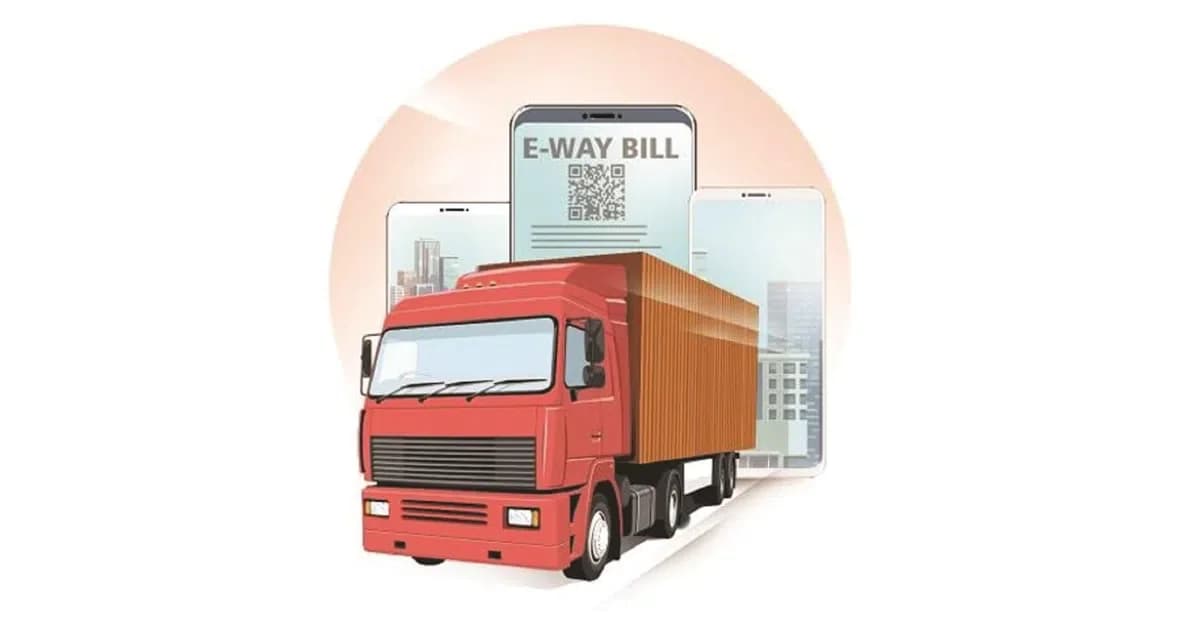
E-way bill generation under the GST regime rose 14.5 per cent year-on-year to 136.77 million in June 2026, according to reports from Business Standard. On a sequential basis, e-way bill generation increased 0.5 per cent from 136.08 million in May 2026. The June tally marks the fourth-highest monthly e-way bill generation since the rollout of GST, indicating continued resilience in the movement of goods and steady tax compliance. This figure represents the highest in four months, with monthly generation reaching a record 140.6 million in March 2026 before seasonal easing in April, now rebounding to four-month highs. The high volume in June coincided with the rollout of strict new system overhauls designed to tighten enforcement and reduce data gaps.
E-way bills are mandatory for the transportation of consignments valued above ₹50,000 and are widely tracked as a high-frequency indicator of domestic trade activity, supply chain movement and GST compliance. As reported by Business Standard, Harpreet Singh, Partner at Deloitte, noted that June's e-way bill numbers point to sustained resilience in goods movement and steady GST compliance. The fact that generation stayed near record highs suggests that domestic trade activity remains healthy, while also reflecting the growing formalisation of the economy. E-way bill generation has now remained above 130 million for six consecutive months, highlighting the scale of domestic trade and logistics activity.
According to Saurabh Agarwal, Tax Partner at EY India, as reported by Business Standard, the consistent expansion in transactional volume, as reflected by the rising number of e-way bills generated, serves as a clear bellwether of the Indian economy's underlying macroeconomic resilience. The spike in these numbers points to greater GST compliance, increase in domestic trade and the robustness of the Indian economy. The numbers come as early indicators for FY27, with private consumption expected to remain a key driver. India Ratings has projected private final consumption expenditure (PFCE) at 7.6 per cent in FY27, slightly up from the estimated 7.4 per cent in FY26.
As reported by Business Standard, the momentum highlights the success of systematic rate rationalisation. By lowering compliance barriers and streamlining indirect tax structures, the government has successfully broadened the tax base, drawing a significantly higher number of citizens into the formal economic ambit. Notably, these figures come after news that simplified rules and automated approvals have driven nearly eight lakh more GST registrations in six months. This highlights how process reforms, not just rate cuts, are bringing informal activity into the formal tax system. As more and more people join the formal economy and GST compliance increased, this figure is expected to go even higher, positioning the economy exceptionally well for sustained, long-term growth.