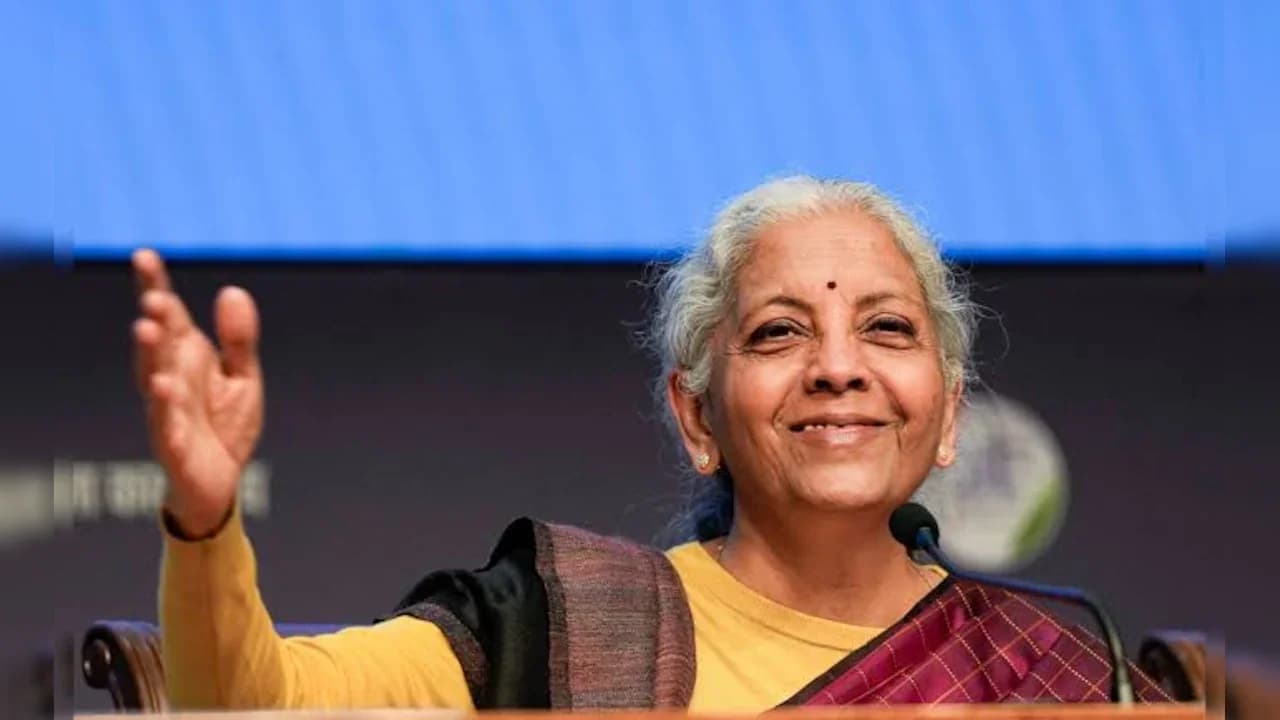
In his latest comments on the Finance Bill, P Chidambaram strongly advocated for replacing the entire Income Tax Act with a Direct Taxes Code, stating that 'no one benefits from this Income Tax Act except the chartered accountants and the lawyers'. He particularly criticized the new 'faceless assessment' system, calling it 'a regressive provision' that has caused enormous hardship for taxpayers. According to Chidambaram, the system lacks transparency as taxpayers don't know who is hearing their matter or what records the assessing officer has. He emphasized that the current system, where assessing officers knew the taxpayer's history and had complete records, was far more effective than the new faceless system.
Chidambaram expressed serious reservations about the government's 11.2% nominal GDP growth projection for 2022-23, noting that 'I don't wish ill. I wish it grows by 11.2%, but I have serious reservations whether in the changed circumstances, in the year beginning on 1st of April, it will actually grow at 11.2%'. He highlighted the impact of the Ukraine war, supply chain disruptions, and global economic uncertainties that could affect growth projections. The IMF has estimated that GDP of every country will be down by 0.5% to 2%, adding to Chidambaram's concerns about achieving the projected growth targets. According to Business Standard, Chidambaram's analysis suggests that the government's capital expenditure of ₹7,50,246 crore may be insufficient to drive the required growth, particularly given India's GDP of ₹258 lakh crore.
Chidambaram questioned the effectiveness of the government's projected ₹7,50,246 crore capital expenditure, arguing that 'this cannot be the driver of growth. The driver of growth can only be if private investment is the main driver'. He noted that household savings channeled into private investment represent the true driver of economic growth, while government capital expenditure can only supplement private capital expenditure. According to Business Standard, Chidambaram expressed concern about the government's approach to private investment, asking 'Have you lost faith in private investors? Or have private investors lost faith in investment in India? They are investing abroad'. He emphasized that India needs high growth and requires sound tax policies, sound financial management, and sound economic management to achieve these goals.
Chidambaram highlighted the growing wealth concentration among India's top earners, noting that 'the wealth of the top one percent has increased astronomically by ₹20 lakh crore in one year'. He advocated for increasing taxes as a proportion of GDP, stating that 'the burden must be shared equitably. People must pay taxes, but the rich must pay more; the people who accumulate wealth must pay more'. According to Business Standard, Chidambaram's comments reflect broader concerns about tax equity and the need for comprehensive tax reforms to address wealth concentration. His analysis suggests that current tax policies may not be adequately addressing the growing gap between rich and poor in India's economic landscape.
In an interview to Business Standard, P Chidambaram, who served three stints as finance minister in two different governments, was strongly critical of the Modi government's economic record. According to the report, while Chidambaram made some valuable observations, he also resorted to political point-scoring that does not serve as useful criticism. The analysis notes that when politicians comment on economic achievements, readers must read the politics in their comments as much as the economics. Chidambaram's latest comments on the Finance Bill continue this pattern, combining economic analysis with political critique, particularly regarding the government's approach to tax reform and growth drivers.