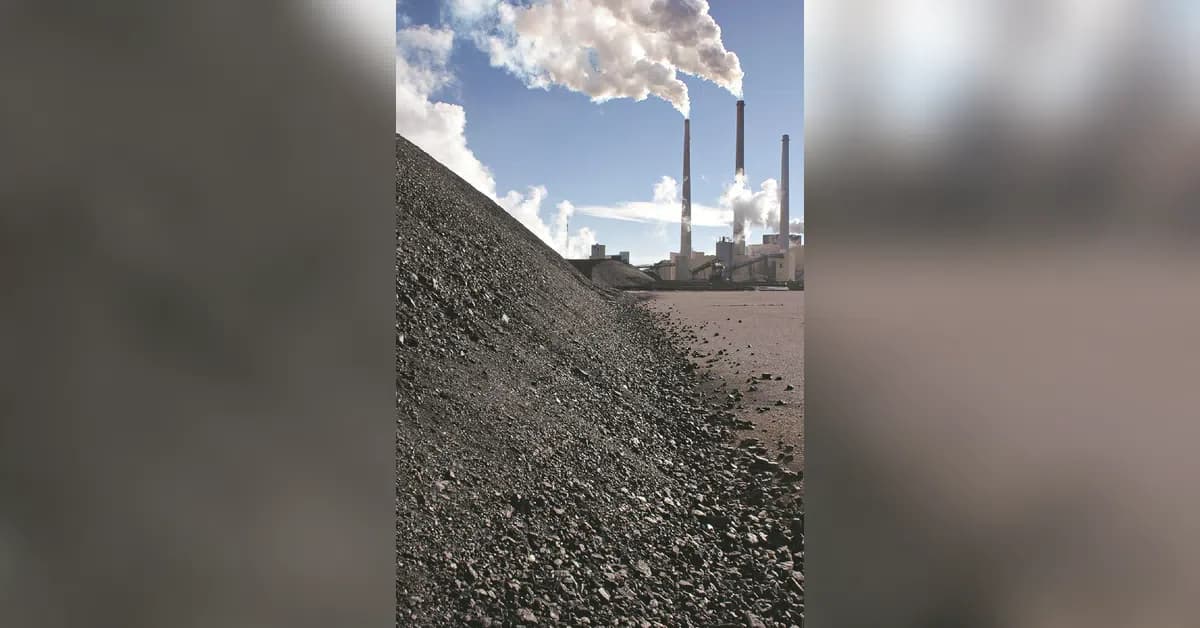
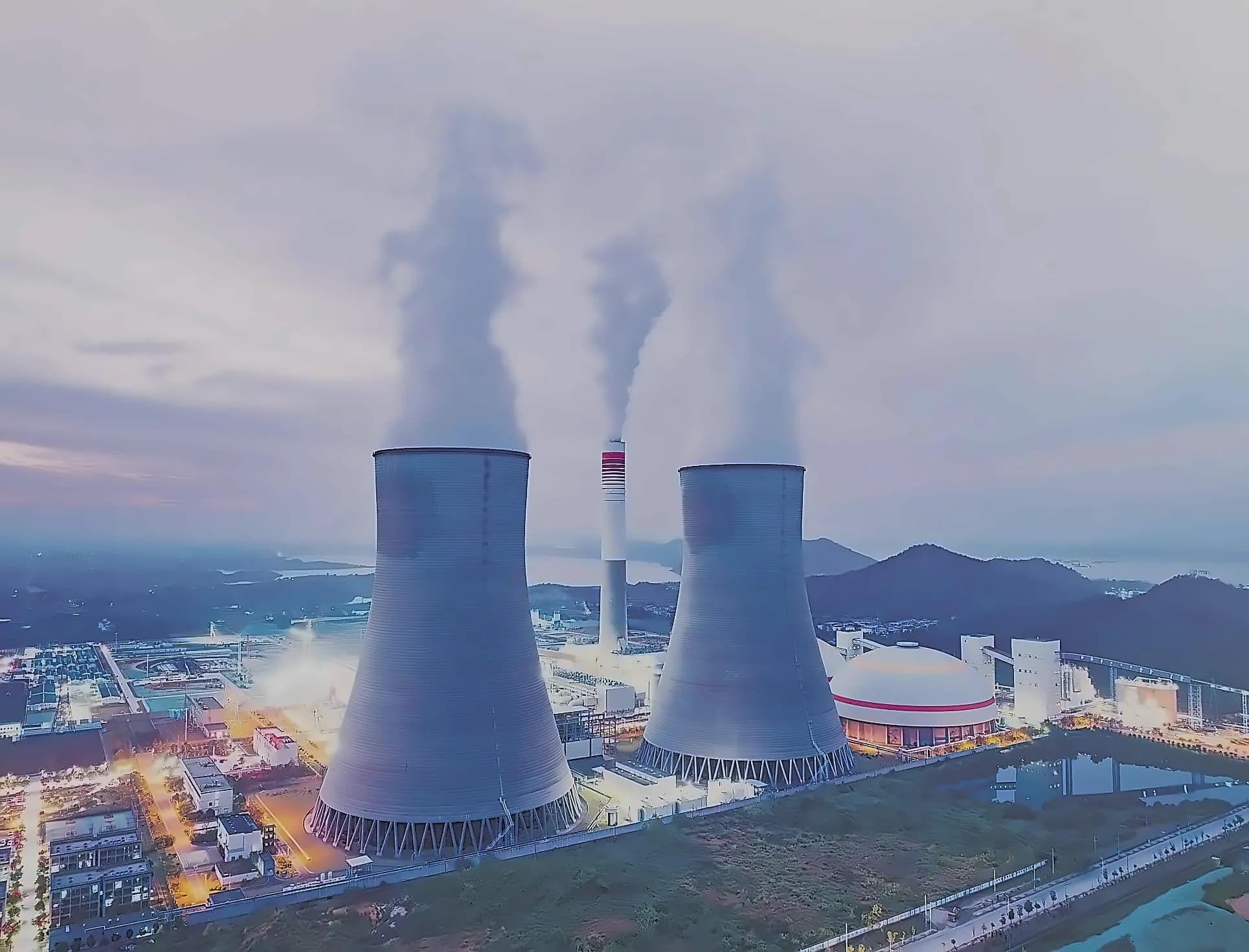
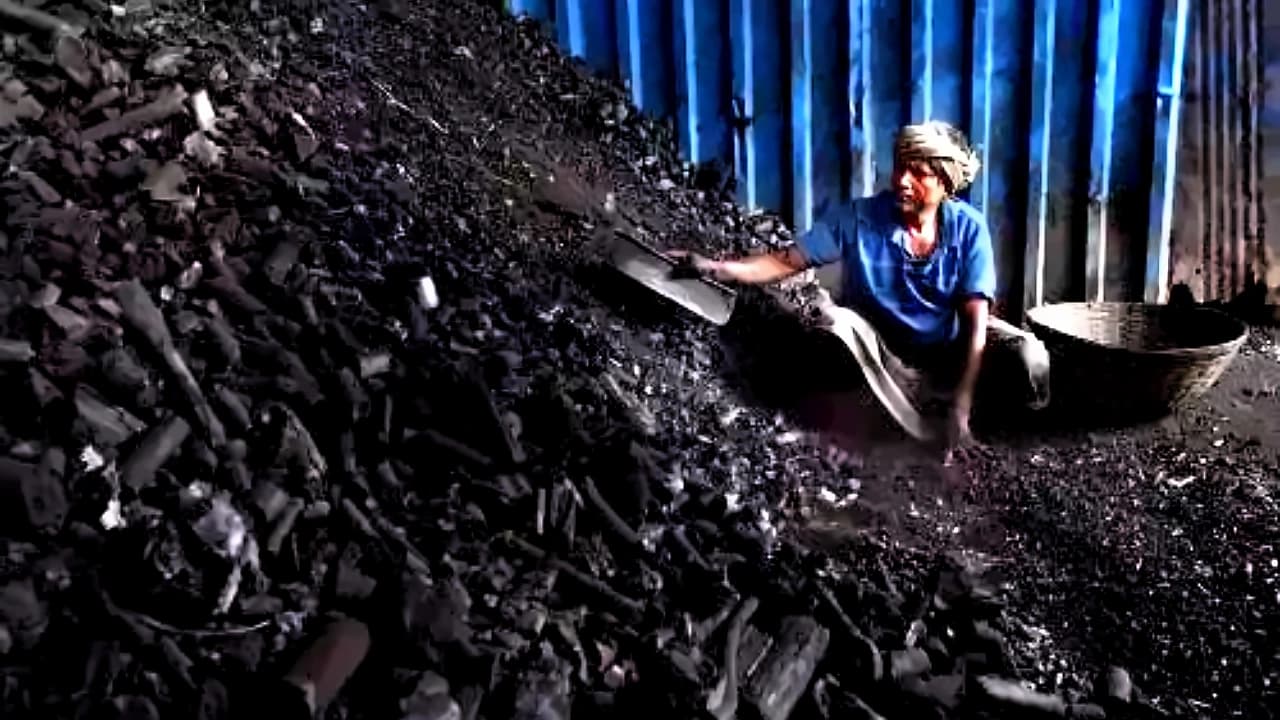
India's total coal imports fell to 104.57 million tonnes in August 2026, down 5.83% from 111.05 MT in August 2025, according to the latest data from the coal ministry. However, thermal power plants designed to run primarily on imported coal saw a marginal increase to 18.31 MT in August from 18.13 MT in the same month last year. The coal imports by power plants dropped by 6.39% to 21.32 MT in August from 22.77 MT in August 2025, reflecting the government's continued efforts to enhance domestic coal production and reduce import dependence in the power sector.
India's domestic coal production is effectively shielding the country's economy from global price swings amid persistent pressure on the energy sector, according to Coal Secretary Vikram Dev Dutt. Speaking during a stakeholder consultation on 'Mining for Future' in Panjim, Goa, Dutt highlighted that when the conflict in West Asia disrupted LNG and LPG supplies from late February, coal stocks at mines and power plants allowed the government to assure the country of steady power. As reported by The Hindu BusinessLine, the secretary emphasized that 'each tonne we produce at home protects the economy from these swings' as the country faces continued energy sector challenges.
The energy sector faces significant headwinds with the International Energy Agency expecting gas markets to remain tight through 2027. According to Dutt's latest statements, Asian spot LNG averaged USD 17.5 per MBtu in the second quarter, 45 per cent higher than a year earlier. The global coal demand is forecast at a record 8.94 billion tonnes in 2026, creating additional pressure on energy costs. Despite these challenges, India's domestic coal production capacity provides crucial economic stability during these volatile market conditions.
Coking coal imports decreased by 4.18% to 27.30 MT in August 2026 from 28.49 MT in August 2025, as reported by the coal ministry. Coking coal is an important input for the steel industry, and domestic availability remains constrained by the quality and characteristics of indigenous reserves. Import requirements in this category therefore depend on the steel sector's specific raw material needs. The share of imported coal in India's total coal consumption also witnessed a drop in August this year, over August last fiscal, indicating the government's success in reducing overall import dependence across sectors.
According to the CEA's recommendations, building manufacturing resilience requires India to reduce dependence on imported critical inputs including crude oil, industrial metals, fertilizers, active pharmaceutical ingredients, rare earths, critical minerals, and battery chemicals. Nageswaran stressed that expanding manufacturing's share in GDP alone would not be sufficient for achieving true economic resilience. The country must build strategic buffers of these commodities to guard against supply disruptions and prevent the weaponization of supply-chain bottlenecks, as outlined in the comprehensive approach to address India's current challenges.
On the policy front, Nageswaran called for treating energy as a macroeconomic policy issue and directing fiscal support towards easing supply-side constraints and lowering input costs, particularly for small and medium enterprises. He emphasized that lower energy and land costs, diversified sources of industrial inputs, and strategic reserves would be essential to improving manufacturing competitiveness. However, EAC-PM chairman S Mahendra Dev highlighted significant challenges including high business costs, a shortage of mid-sized firms, and difficulty in acquiring land. 'India has millions of enterprises and our task is to help the best of them become medium and large firms,' Dev said, noting that India has firms with 10 to 20 workers at one end and large firms at the other, but lacks mid-sized firms with 500 to 1,000 employees like China and other countries.