Prime Minister Narendra Modi has categorically dismissed reports claiming the Union government is considering a year-long tax on foreign travel to offset higher import costs. In an unusual rebuke, Modi called the reports "totally false" and "not an iota of truth" in a reply to CNBC-TV18 on X. The denial came after the broadcaster reported on Friday (May 15) citing sources that a temporary cess, tax or surcharge on foreign travel, likely to last a year, was being contemplated at the "highest levels" of government. Twenty minutes later, CNBC-TV18 recanted its report, calling it "not accurate" and expressing regret for the error. Modi emphasized that "there is no question of putting such restrictions on foreign travel" and added that the government remains committed to improving "ease of doing business" and "ease of living."
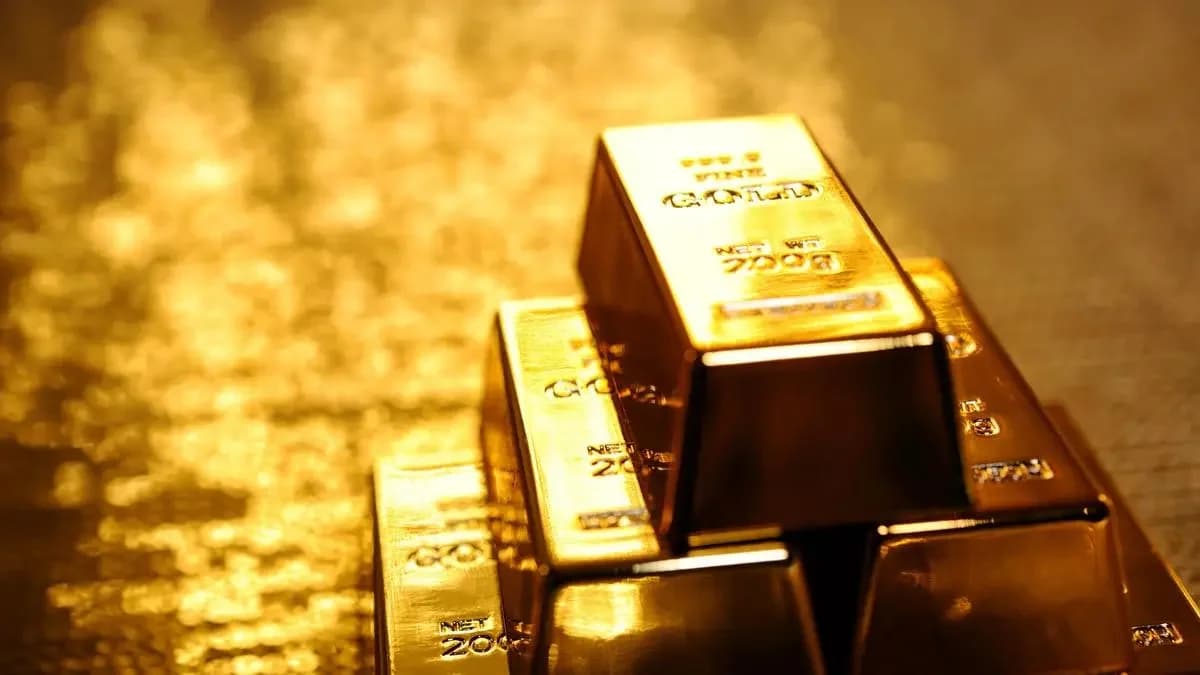
Prime Minister Narendra Modi's recent appeal asking Indians to avoid discretionary gold purchases for the next one year has reignited debate over whether this is the right time to invest in the yellow metal. According to experts, gold demand in India will remain resilient due to weddings and festivals, though buyers may opt for phased or lower-purity purchases while investors should prefer disciplined, staggered investments over aggressive buying. As per Fortune India, Aditya Agarwal, Co-founder of Wealthy.in, explains that the government's messaging is largely driven by macroeconomic concerns rather than an attempt to discourage long-term investing in gold altogether. Gold imports require dollar payments, which put pressure on foreign exchange reserves, weaken the rupee, and widen the current account deficit. The appeal comes at a time when India is grappling with rising import costs, pressure on the rupee, and heightened geopolitical crisis stemming from the prolonged West Asia conflict.

India's gold imports surged to a record $71.98 billion in FY26, up sharply from nearly $58 billion in the previous year, largely due to soaring global gold prices. Since these imports are paid for in US dollars, higher gold purchases directly increase pressure on the country's foreign exchange reserves and widen the trade deficit. Gold now accounts for more than 9% of India's total imports while the country's trade deficit widened to $333.2 billion in FY26. Economists estimate that even a 10% reduction in gold imports could potentially save India between $6 billion and $13 billion annually in foreign exchange outflows. The Prime Minister's comments come at a time when India continues to maintain relatively strong foreign exchange reserves, but policymakers are increasingly concerned about the sharp rise in import-related dollar outflows.
The Prime Minister's appeal to citizens to conserve both energy and foreign exchange seeks to nudge Indians towards behavioural changes that reduce consumption of imported commodities such as crude oil and gold, as well as non-essential imports and foreign travel. According to insights from behavioural economics, an ambitious nudge can be effective if three conditions are met: establishing a clear focal point (import dependence and foreign exchange reserves), making the intended behavioural change perceived as socially desirable (national interest), and ensuring the change is incentive-compatible—meaning individuals should find it in their interest to adopt the suggested behaviour. While the first two elements define the direction of change, the magnitude and sustainability depend on appropriate incentives from price and non-price policy measures.
India imports 80-85% of its crude oil requirement, making elevated energy prices another major source of pressure on the external account. According to RBI estimates, every 10% increase in crude oil prices can reduce economic growth by nearly 15 basis points while raising inflation by around 30 basis points. The crude oil spike is the main reason for recent rupee depreciation and widening current account deficit (CAD), with Brent crude and dollar-rupee exchange rates moving together over the last two months. Global inventories of crude and its by-products are falling fast, so commodity prices are expected to remain elevated for much of 2026.
For investors, experts recommend caution at current elevated price levels. According to Agarwal, investors who are already overweight on gold may use the current rally to rebalance their portfolios rather than significantly increase exposure. Those who are underweight can add gold in a disciplined and staggered manner. For buyers, the timing of gold purchases is often driven more by need than by price, with wedding and festive purchases unlikely to disappear, though consumers may increasingly opt for phased buying or lower-purity jewellery to manage rising costs. Gold continues to remain an important long-term diversification asset, especially during periods of economic and geopolitical uncertainty, but discipline matters more than chasing momentum.