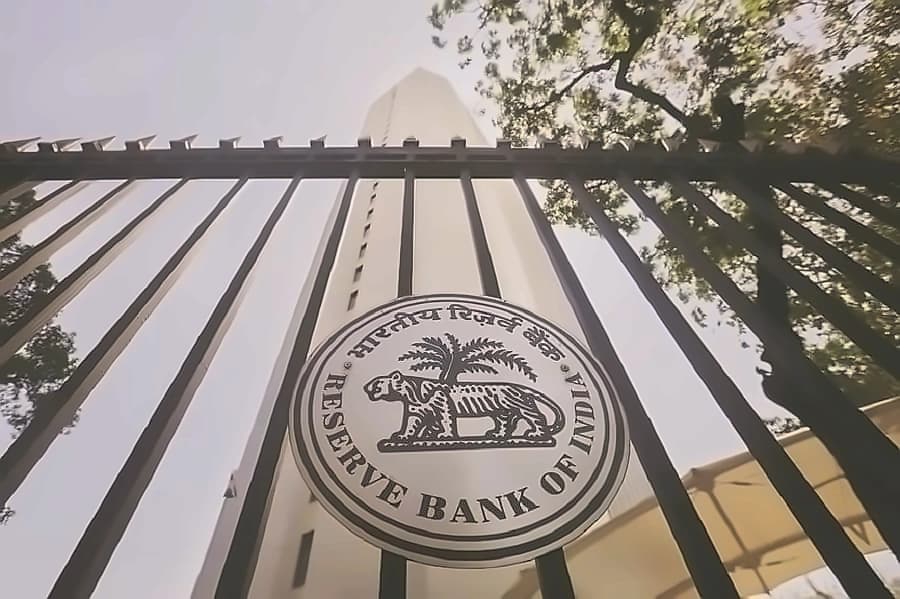
The Reserve Bank of India has unveiled its Q1 FY27 borrowing plan for states and Union Territories, targeting a collective ₹2,54,509 crore to be raised through regular auctions during the April-June quarter. According to the latest indicative borrowing calendar issued by the RBI on Thursday, the borrowings are aimed at meeting states' fiscal requirements while maintaining flexibility to adjust dates and amounts based on market conditions. The central bank, which manages state debt issuances, has mapped out the auction timeline with final auction details including amounts and participating entities to be disclosed a few days prior to each issuance.
A key development this fiscal is the introduction of a pilot Benchmark Issuance Strategy (BIS), which seeks to standardise borrowing practices and improve investor transparency. Nine states—Andhra Pradesh, Bihar, Chhattisgarh, Kerala, Madhya Pradesh, Maharashtra, Rajasthan, Telangana and Uttar Pradesh—will participate in this framework, with these states expected to account for ₹1,53,900 crore of the total planned borrowing during the quarter. Under BIS, states will issue securities across pre-defined maturity buckets in line with a pre-announced schedule, creating more predictable and liquid state debt markets. The remaining states and Union Territories will raise around ₹1,00,609 crore through conventional borrowing routes during the same period.

Despite India's 10-year bond yield crossing the 7% mark due to rising crude oil prices and elevated government borrowing, high net worth individuals (HNIs) and ultra HNIs are maintaining their allocation to fixed income instruments. According to The Economic Times, these investors are adopting a "barbell strategy" that combines safety with higher-yield opportunities, with around 45% allocated to accrual strategies (AAA/AA), 35% to high-yielding instruments (A-rated and below), and 20% to special situation funds. The structured approach comes as excise duty cuts on fuel could dent revenues and strain the fiscal deficit, driving bond yields higher while investors seek stability through diversified debt allocation.
Affluent investors are increasingly exploring higher-yield alternatives within fixed income, with high-yield bonds offering 10-13% per annum and performing credit funds achieving 15% IRR (internal rate of return). As reported by The Economic Times, private credit AIFs are launching with typical fundraises of ₹1,000-1,500 crore each, targeting companies through specialized funds with gross returns of 12-16% per annum. However, these strategies come with higher risk and longer lock-in periods compared to traditional debt mutual funds, which offer more stable returns of 6.75% to 7.25% but invest only in high credit-rated papers.
The RBI indicated that the benchmark strategy could be expanded to more states over time as part of efforts to deepen the sub-national bond market. According to The Economic Times, experts recommend a balanced approach with shorter-duration instruments becoming more attractive due to higher yields and RBI's forex actions. Over the next two to three years, investors should expect returns primarily from portfolio carry (accrual) rather than mark-to-market gains, implying return expectations closer to 9-10% in the high-yield segment. The structured issuance approach is aimed at reducing uncertainty for investors while supporting better price discovery, with the enhanced transparency expected to improve liquidity and trading efficiency in derivative markets.