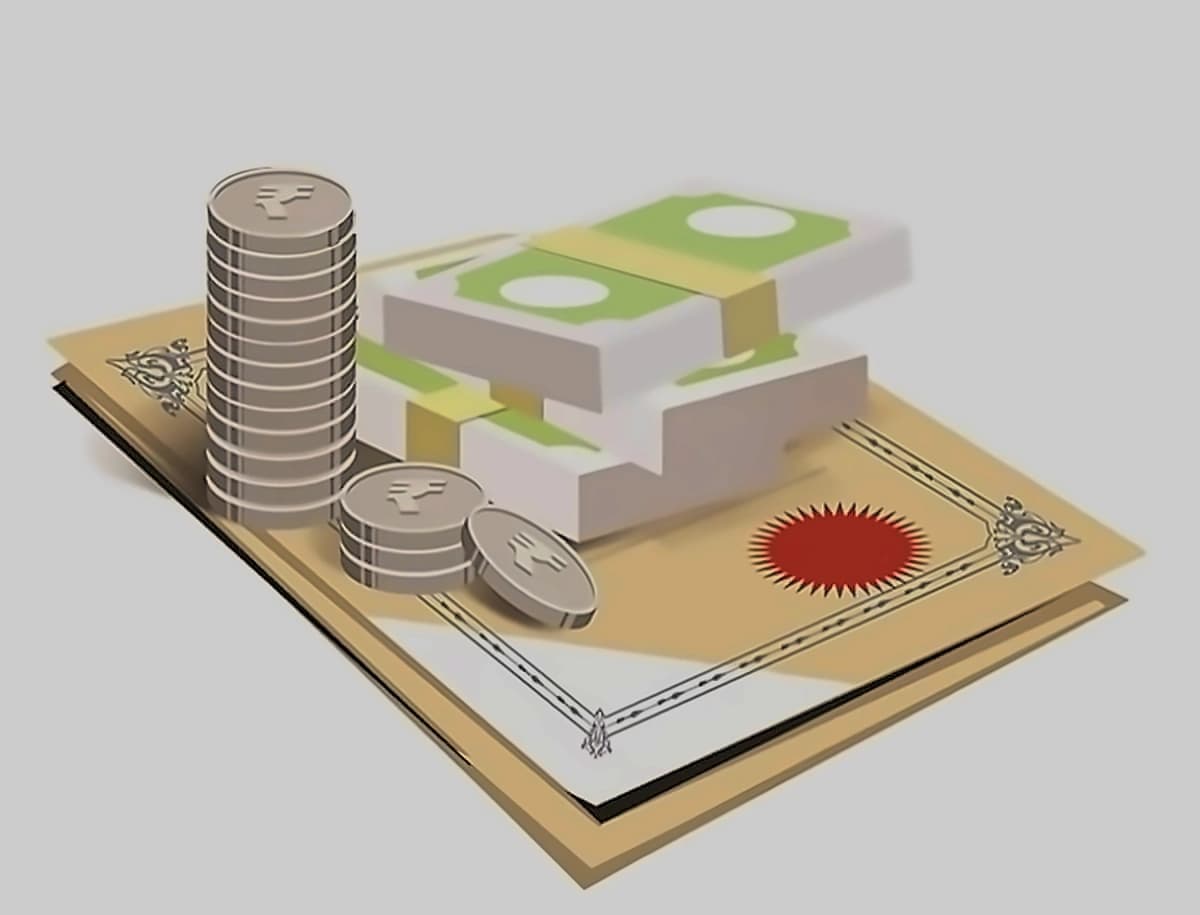
Municipal bond issuances could pick up in the fourth quarter of the current financial year (Q4FY27), with around 15-20 issues in the pipeline as several urban local bodies prepare to tap the market. According to reports from Business Standard, market participants said higher yields, wider credit spreads and lengthy approval processes could delay many of these issues, with a more meaningful pick-up possible only in the first half of FY28. The limited activity so far does not point to a lack of interest from municipal bodies, as several issuers are preparing their offerings, with the pipeline suggesting delays in execution and timing of fundraises rather than reduced interest.
Municipal bond issuance has been subdued so far in the current financial year, after FY26 turned out to be a record year. In FY26, 12 urban local bodies raised about ₹1,756 crore through 14 issues. Greater Chennai Corporation raised about ₹406 crore across two issues, and Nashik Municipal Corporation raised ₹400 crore across two issues, the second in March 2026 at 8.05 per cent. Pimpri Chinchwad and Surat raised ₹200 crore each, with coupons ranging from 7.65 per cent for Gandhinagar to 8.50 per cent for Tiruppur and Tiruchirappalli. FY27 has so far seen just one issue, from Patna Municipal Corporation, which raised ₹199.99 crore through seven tranches maturing between 2030 and 2036 at a yield of 9.20 per cent per annum, 70 basis points above the highest coupon paid in FY26.
Municipal bodies in the pipeline include Bengaluru North Municipal Corporation, Raipur Municipal Corporation, Brihanmumbai Municipal Corporation and Kalyan-Dombivli Municipal Corporation. According to Business Standard, Indore is also in the process of raising around ₹1,000 crore through municipal bonds. The Brihanmumbai Municipal Corporation has an overall borrowing programme of ₹9,500 crore, with the exact amount to be finalised by December or January depending on financial requirements. Market participants indicate that given the size of Mumbai Municipal Corporation, its proposed issuance could be around ₹2,000 crore, while Raipur's issuance could take place shortly and Kalyan-Dombivli is planning to tap the market by the end of the current financial year.
Market participants identified two main reasons for the delays in municipal bond issuances. As reported by Business Standard, market yields and municipal credit spreads have risen, increasing borrowing costs and making headline coupons less attractive. Municipalities are reluctant to enter the market at unfavourable pricing when they can wait for better conditions. Additionally, the process itself is time-consuming, requiring municipalities to complete administrative and statutory approvals, identify projects, set up repayment structures and finalise transaction documents. Appointing intermediaries, transaction advisers and arrangers usually involves a tendering process, which adds to the timeline. A similar trend was seen last year, when several planned issuances were taken up in the first quarter of the subsequent financial year.
Under AMRUT 2.0, first-time issuers are eligible for incentives of ₹13 crore for every ₹100 crore of bonds issued, subject to prescribed caps. Larger municipalities are also evaluating the ₹100 crore incentive announced in the Union Budget for single municipal bond issuances exceeding ₹1,000 crore. These incentives improve the economics for eligible issuers and can partly offset the cost of borrowing, helping encourage more municipalities to explore the bond market for long-term funding. However, market participants said the near-term pipeline may remain subdued as municipalities wait for clarity on the interest-rate outlook and more favourable market conditions, with a more meaningful pick-up expected in the first half of FY28. Some transactions may still happen towards the end of Q4FY27, but the pace of issuances will ultimately depend on market yields, credit spreads, investor appetite, procedural readiness and the cost of bond financing compared with bank borrowing.