India's largest pension funds are strategically redirecting investments toward government bonds as equity allocations approach regulatory limits. UTI Pension Fund is directing half of its incremental investments into government bonds, compared with none last year, while SBI Pension Funds aims to reduce stock allocations to just 25%, down from about 60% in the three months through June. The two money managers account for 58% of the nation's $193 billion in retirement assets, making this shift particularly significant for India's debt market dynamics. According to Business Standard, this marks a shift from the industry-wide trend that followed a rule change last year allowing funds managing government-backed pension programs to hold more stocks.
The pension fund rebalancing comes as India's benchmark NSE Nifty Index has rallied about 14% from an October low, prompting pension managers to pivot to bonds. According to The Economic Times, pension managers had largely completed the shift to equities by February but a market selloff after the US-Iran war pushed equities below target portfolio weights. However, the recent rally is now shrinking the available space for equity investments, pushing allocations closer to their regulatory limits. Sandeep Pandey, chief investment officer at SBI Pension Funds, stated that "I would not see too much of overall funds moving into equity going forward."
A pickup in bond demand from pension funds, which have traditionally been major long-term buyers of sovereign notes, would provide support to India's debt market at a time when global yields are rising and the federal and state governments are borrowing a record amount. As reported by Business Standard, only 23% of new investments have gone into government bonds this year as of October, compared with 55% in the fiscal year that ended March 2025, according to Pension Fund Regulatory and Development Authority data compiled by Bloomberg. India's 10-year government bond yield has risen over 60 basis points this year due to a flood of supply and weak demand, highlighting the importance of pension fund support for the debt market.
Investments under India's so-called National Pension System, which started over two decades ago, are organized into four buckets: equities, corporate bonds, government bonds and alternative investment funds. In March 2025, the pension regulator raised the proportion of assets that pension funds are allowed to hold in equities to 25% from 15% in order to boost diversification. According to Business Standard, pension managers had largely completed that shift by February but a market selloff after the US-Iran war pushed equities below their target portfolio weights, giving them room to buy more shares at cheaper valuations. However, that space is now shrinking again as stocks rebound.
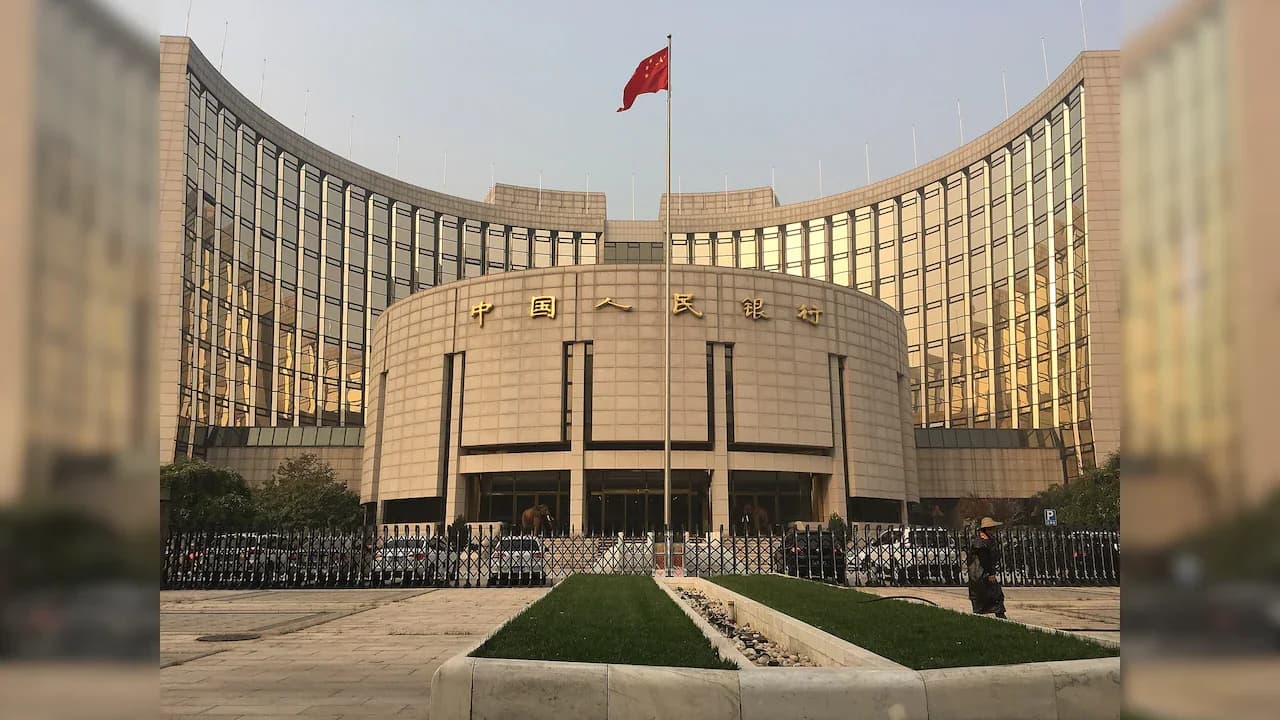
India's government bond market benefits from a diversified investor base that includes insurance companies, provident and pension funds, mutual funds, foreign portfolio investors, Reserve Bank Of India (RBI) along with banks. According to JPMorgan, this diversified structure limits India's exposure to tax-related market risks. Unlike China, India's government bond market does not rely on special tax exemptions for banks, reducing its vulnerability to sudden shifts in tax treatment. The recent pension fund shift toward bonds further strengthens this diversified investor base.
The Chinese government bonds account for 21% of assets at state-owned banks and 15% of assets at joint-stock banks, making the proposed tax changes particularly impactful. As reported by JPMorgan, local governments had 54.8 trillion Chinese Yuan (CNY) of debt outstanding at end-2025 and account for around 85% of general-budget spending. Sandeep Pandey from SBI Pension Funds indicated that "Equity allocation is going to be more in proportion to the overall share of equity in my total portfolio," suggesting a more measured approach to future equity investments as the regulatory threshold is approached.