The recent surge in US Treasury yields reflects a fundamental shift in how technology companies are financing their artificial intelligence infrastructure expansion, with AI-driven debt issuance now testing investor appetite as technology companies flood bond markets with new supply. According to The Economic Times, hyperscaler issuance has reached $220 billion in 2026, prompting investors to demand higher yields and larger concessions. The five major AI hyperscalers - Alphabet, Amazon, Meta, Microsoft and Oracle - have dramatically increased their debt issuance from an average of less than $30 billion annually from 2020 to 2024 to over $100 billion in 2025. So far this year, their combined AI-related debt issuance has already topped $200 billion, with Microsoft being the only hyperscaler not to raise money in the bond market over the past year. Broader AI-related debt issuance beyond the five hyperscalers is expected to surpass $1 trillion annually from 2027 through 2030, as reported by Vanguard. This represents a fundamental change from the previous decade when these companies mostly self-funded their AI infrastructure through operating cash flow, as noted by Vanguard's Lucas Baynes. The economy has enjoyed a massive boost from the five hyperscalers spending their enormous stockpiles of cash to develop AI infrastructure, but now that they are having to borrow, further capital expenditure is no longer 'free'.
The surge in AI-related debt issuance is beginning to test investor appetite, with technology bond spreads widening as investors absorb a growing pipeline of AI-related issuance. According to The Economic Times, Amazon's recent $25 billion long-dated bond sale priced at roughly 120 basis points over comparable Treasuries, significantly wider than the level seen for similar debt a year earlier. Technology corporate bond spreads currently stand at about 89 basis points, around 9 basis points wider than the broader investment-grade market, according to data from Capital Group portfolio manager Karen Choi. Alphabet's bond sale earlier in August was well received by investors, but still required an estimated concession of around 10 to 15 basis points compared with its outstanding bonds. The difference between deals earlier in the year and more recent transactions suggests that investors are becoming increasingly selective, with issuers now having to provide additional yield to attract buyers. Reuters reported that investors are beginning to demand larger concessions as supply increases, particularly when several large technology companies approach the market repeatedly. US blue-chip bond sales set a third straight monthly record in August, continuing the market's fastest pace of issuance as spending on the artificial-intelligence buildout fuels corporate borrowing.
Despite concerns about heavy issuance, market demand has kept pace with record supply throughout 2026, providing some reassurance about the bond market's ability to absorb AI-related debt. According to JPMorgan Asset Management's Kelsey Berro, retail demand for investment-grade bonds has already exceeded the full-year total for any year back to 2010, as reported by Bloomberg. Issuance expectations for September range from $175 billion to $250 billion, with credit portfolio managers indicating that even $250 billion in supply "is not really an issue." However, the $75 billion gap between low and high estimates creates uncertainty for portfolio managers preparing for historically busy issuance months. With two weeks remaining in August, supply has already reached $157 billion, boosted by major deals including Alphabet's $25 billion offering and other large deals from AbbVie and Advanced Micro Devices. Companies have already borrowed more than $410 billion for data centers and other AI investments this year, according to Bloomberg News data. If September supply is absorbed without disruption, Berro warned that sidelined investors could move quickly, with any sign of stability likely drawing buyers back in force.
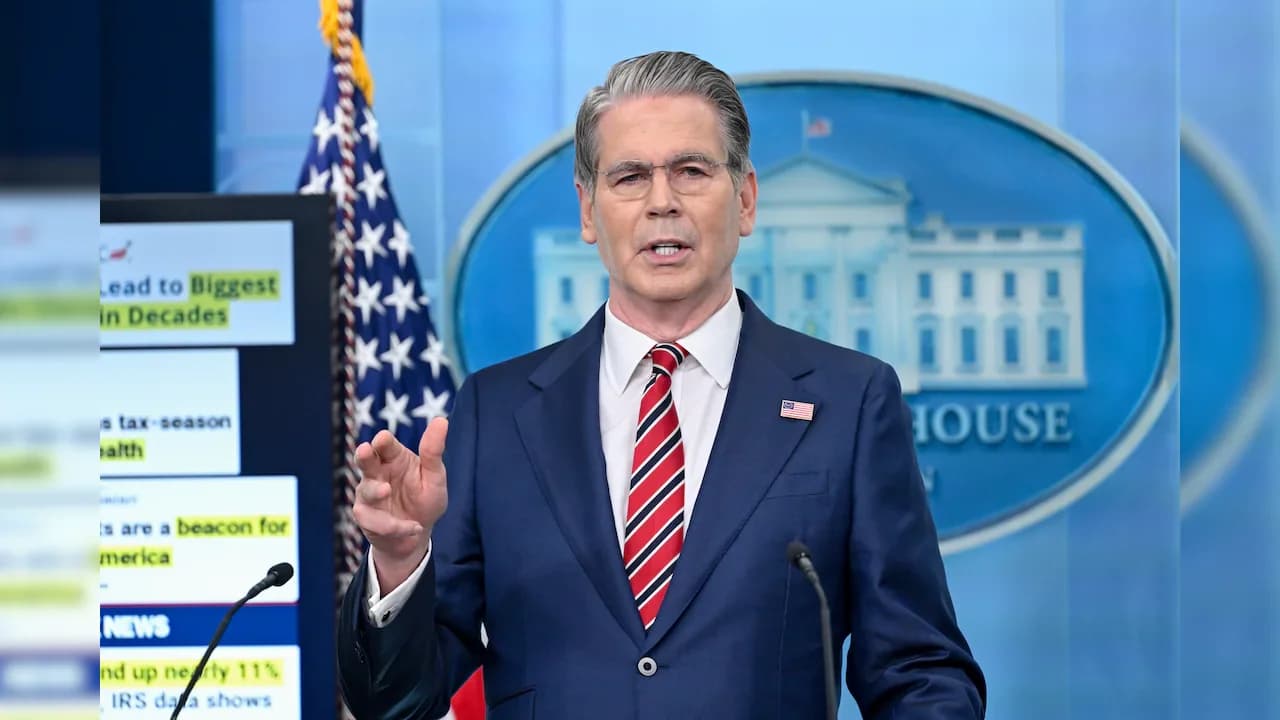
Treasury Secretary Scott Bessent has established himself as the most interventionist Treasury chief in decades through a series of unexpected market maneuvers. According to reports from Bloomberg, Wednesday brought the latest surprise as the Treasury Department announced it would 'at least double' its planned purchases of outstanding 10-year to 30-year debt, starting September 9 and running through November 4. This follows earlier actions including the first purchases of yen by US authorities in three decades on July 31, and deployment of so-called rate checks - calls by authorities to banks for quotes on the yen. As Bloomberg reports, Bessent has put his credibility on the line in an effort to quell a potentially damaging rise in US borrowing costs. On Thursday, Bessent went further by promising that buybacks could exceed $4 billion per issue and would become routine, while denying that rates drove the decision, according to Bloomberg. Speaking to CNBC, Bessent argued that the Treasury had a 'big toolkit' and could potentially expand its bond-buying operations beyond the measures announced.
The Treasury's actions introduce an awkward wrinkle into Federal Reserve policy, as reported by Investing.com India. Investors were also digesting minutes from the Federal Open Market Committee's July meeting, released Wednesday, where officials indicated that higher interest rates could be needed if there is not more progress on inflation. Recent economic data has shown modest monthly price increases, but inflation remains above the Federal Reserve's 2% target. This creates a contradiction where The Fed is debating whether policy ultimately needs to become tighter while Treasury has just delivered something that looks very much like an easing of financial conditions. Analysts said the recent rise in Treasury yields partly reflected expectations that AI-driven growth could push the Fed to keep rates elevated, as reported by Business Standard. The market is also watching the Federal Reserve closely as Kevin Warsh begins his tenure as chair, with investors looking for clearer signals on the future path of monetary policy, particularly whether the central bank will be willing to reduce interest rates while inflation remains above target. Uncertainty over the Fed's policy direction has added to volatility in the Treasury market, with investors also assessing whether Treasury efforts to influence longer-term borrowing costs could clash with the central bank's preference for market-driven interest rates.