Former Reserve Bank of India Governor Duvvuri Subbarao has criticized India's recent efforts to attract foreign capital, calling them 'too costly' to justify if the main purpose is simply to bolster confidence in the rupee. According to reports from Business Standard, Subbarao, who headed the RBI between 2008 and 2013, said the currency hit a record low of near 97 per dollar in May. The former central bank chief emphasized that 'What we need is confidence-building flows' through foreign direct and portfolio investment, rather than the current approach.
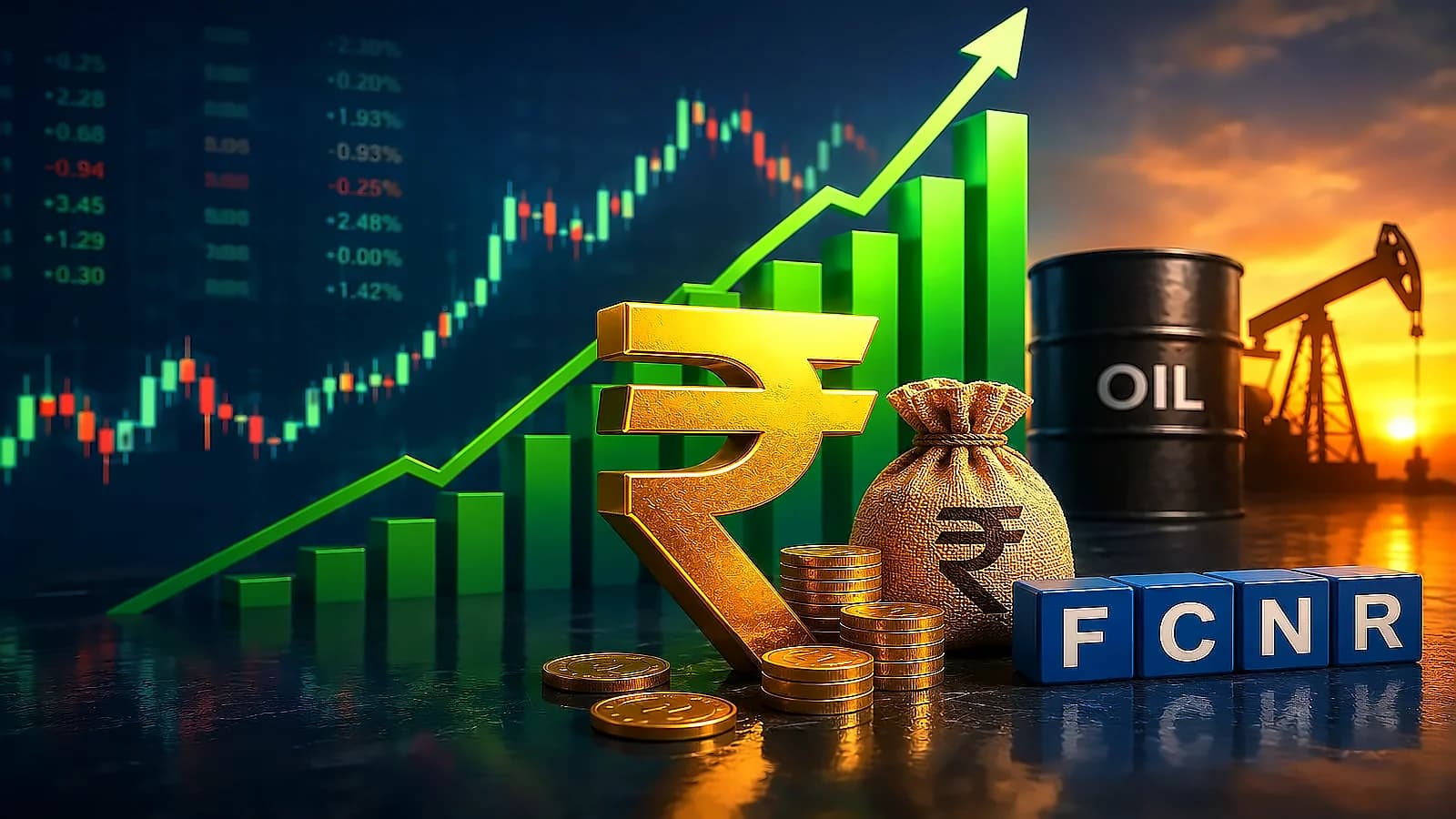
The foreign currency non-resident (FCNR-B) measure launched in June has attracted $36.72 billion through July 31, with bankers and analysts expecting inflows to exceed $50 billion by September 30 when the scheme closes. As reported by Business Standard, Subbarao described these deposits as 'borrowed dollars' that must be repaid at maturity and do not build lasting confidence. However, Nomura's Robert Subbaraman has raised his estimate significantly to $80-90 billion, which could provide substantial support to the rupee and give the RBI more room to manage currency pressures. The scheme has drawn $36.72 billion through July 31, with expectations of $50 billion by the September 30 closure.
Foreign investors have pulled out a net $17.3 billion from Indian stocks and bonds in 2026, adding to currency pressure. According to Business Standard, even after the selloff, Indian equities trade at a 44% premium to the broader Asian gauge. Subbarao attributed this to relatively high valuations pushing investors toward other markets, while Indians are also moving more money abroad. The booming investment in artificial intelligence and semiconductors elsewhere is adding to the pressure on the rupee.
The RBI's current strategy to shore up the currency has shown muted impact compared to a similar strategy undertaken in 2013. As reported by Business Standard, the rupee has declined 0.5% in the first 46 days since the measures were announced, compared with a 7% gain in the same period in 2013. Subbarao noted that 'In 2013, the cost-benefit calculus was quite clear' due to abundant global liquidity making it relatively cheaper to attract FCNR deposits, while the case today is less compelling. However, Nomura's analysis suggests the FCNR scheme has been 'extremely successful' and will continue to surprise the market on the upside, potentially reaching $80-90 billion in inflows.
Despite currency challenges, Nomura's Robert Subbaraman remains constructive on India's economic outlook, expecting Q2 GDP growth to remain above 7% and FY27 growth at 6.6% with inflation at 4.4%. He emphasized that 'the growth-inflation configuration in India remains positive' and that 'the RBI does not need to raise rates' given the current macroeconomic backdrop. Subbarao pointed to potential measures including reduction in transaction and tax-compliance costs for foreign investors and further liberalizing access to equity and debt markets as ways to attract genuine foreign investment. The former central bank chief's comments add to calls from other economists for deeper structural reforms over short-term capital attraction measures.