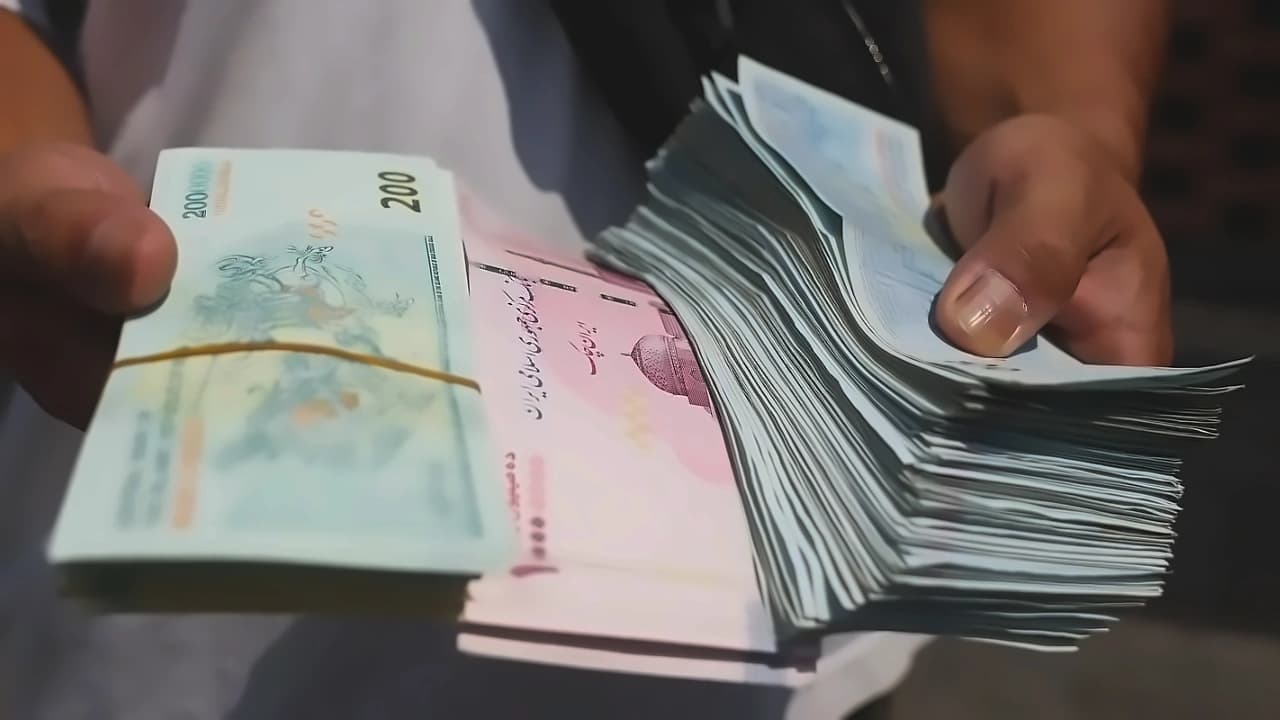
Iran's national rial currency hit a record low of 1.8 million to $1 on Wednesday, marking a significant deterioration in the country's economic situation. According to The Times of India, the rial fell to around 1.80 million per dollar on the black market, with currency-tracking websites Bonbast and AlanChand confirming this historic low. The currency had remained stable for weeks during the ongoing conflict that began on February 28, primarily due to limited trading and imports entering the country. However, the currency began sliding two days ago before reaching this historic low point. The latest slide comes months after a previous currency shock helped fuel nationwide protests in January, when the rial weakened from about 1.4 million to 1.6 million to the dollar in less than a week. The war, which lasted weeks, has added new strain to businesses, households and state finances, with prices of basic household goods already rising before the latest rial fall.
The currency collapse is expected to further fuel inflation in Iran, where many essential goods including food, medicine, electronics, and raw materials are directly affected by dollar rate fluctuations. As reported by The Times of India, experts warn that the rial's fall will compound economic pressures on a country already struggling with economic challenges. The blockade has also hit a crucial source of government revenue by disrupting oil exports, limiting Iran's access to foreign currency. Over the past two weeks, people buying daily essentials have faced higher prices for milk, yogurt, cooking oil, bread, rice, cheese and detergents, pointing to broader inflationary pressure in the economy. Iran's economy has faced decades of sanctions, chronic inflation and a widening gap between official and open-market exchange rates.
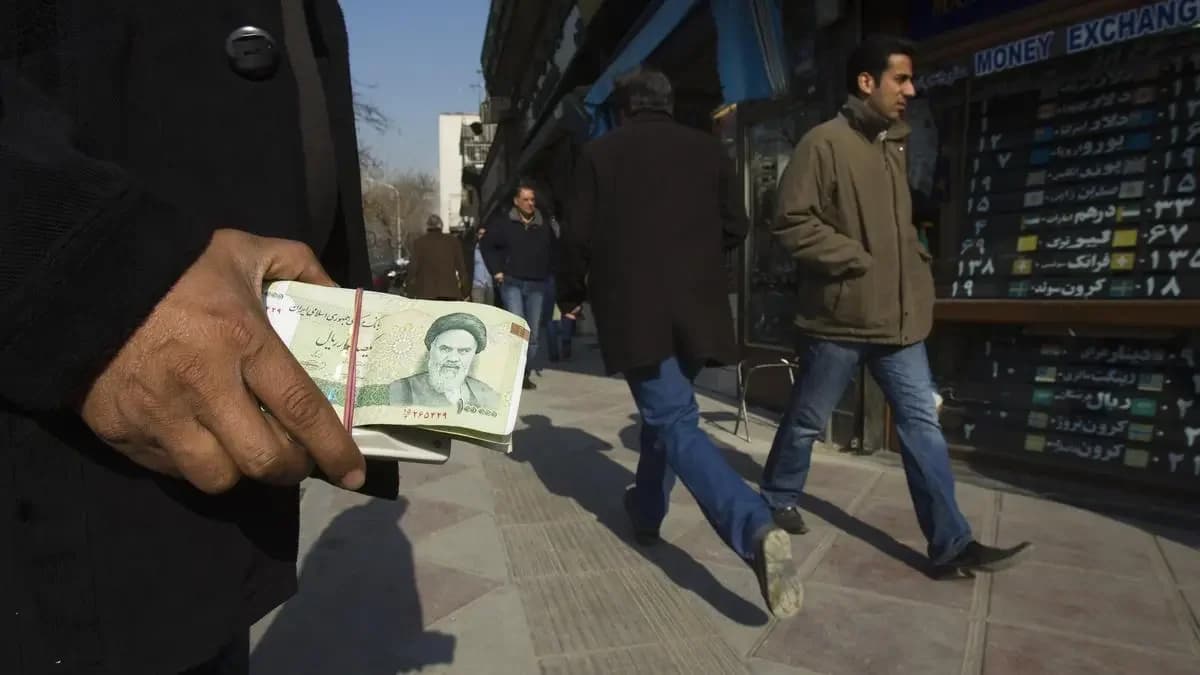
Four weeks into a ceasefire that has largely halted active fighting, tensions remain high between the US and Iran over the Strait of Hormuz, a vital route through which about a fifth of global oil and gas supplies typically pass. According to The Times of India, US President Donald Trump rejected Iran's proposal to reopen the strait in exchange for lifting the blockade, defending the strategy by saying, "The blockade is somewhat more effective than the bombing. And it is going to be worse for them. They can't have a nuclear weapon." Meanwhile, US Treasury Secretary Scott Bessent warned that the combined impact of sanctions and the naval blockade would inflict long-term damage on Iran's economy. He highlighted that Kharg Island, Iran's primary oil export terminal, is soon nearing storage capacity, which will force the regime to reduce oil production, resulting in an additional approximately $170 million per day in lost revenue.
Despite the war entering a ceasefire phase, a US blockade has continued to increase pressure on Iran's already-battered economy. According to The Times of India, US Treasury Secretary Scott Bessent revealed that the Treasury Department has targeted Iran's international shadow banking infrastructure, access to crypto, shadow fleet, weapons procurement networks, funding for terrorist proxies in the region, and independent Chinese 'teapot' refineries that support Iran's oil trade. The continued economic sanctions have maintained pressure on Iran's financial system even as military hostilities have temporarily ceased. The economic pressure has also extended to the labor market, with the reformist Shargh newspaper reporting that 500 workers at Pinak in Rasht and 700 workers at Borujerd Textile Factory had been laid off since the beginning of the new Iranian calendar year in late March after their contracts ended. Meanwhile, US Defense Secretary Pete Hegseth is set to testify before Congress in his first appearance since the war began, with lawmakers expected to scrutinise the cost of the conflict, civilian casualties and the administration's proposed $1.5 trillion defence budget.